a Las Vegas third-party logistics and fulfillment warehouse moving pallets from pick stations to outbound shipping
How a Las Vegas Fulfillment Warehouse Raised Efficiency 34% with Autonomous Pallet Transport
A documented four-week pilot moved pallets with an autonomous stockchaser and reported a 34% efficiency gain plus higher labor productivity versus manual jack moves.
- 34%
- Efficiency gain
- 33%
- Labor productivity
- 64%
- Labor cost drop
- 4 wk
- Pilot length
Based on a documented real-world deployment. Figures are from public reporting; the organization is not named.
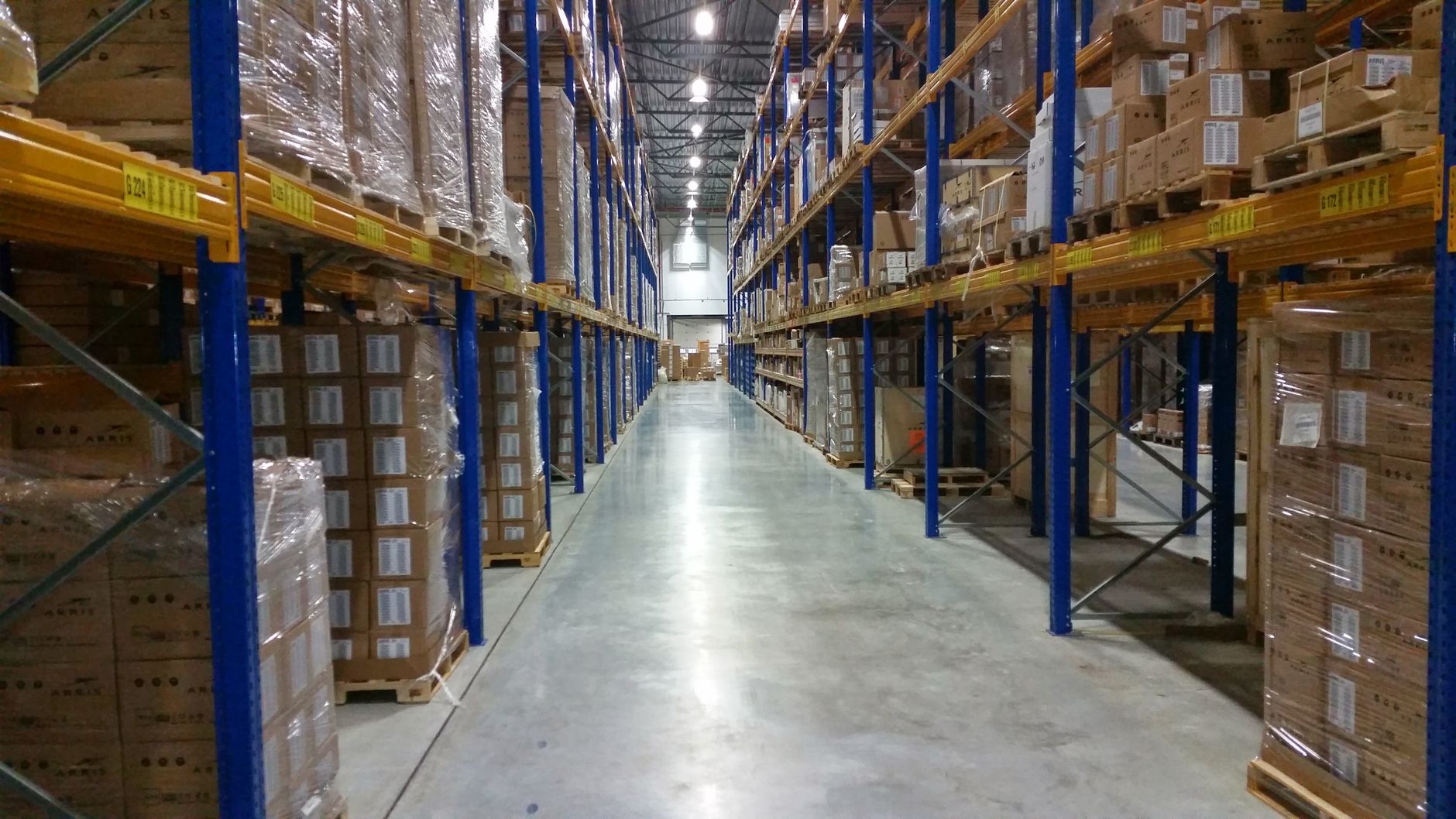
Pallet moves ate pick-and-pack time
Order volume was climbing at a Las Vegas third-party logistics and fulfillment warehouse, and pallets still had to move from fulfillment stations to outbound shipping on a tight rhythm. Associates relied on electric pallet jacks for those repetitive runs, which pulled people away from pallet building, quality checks, and customer-facing problem solving.
Leadership wanted a measured way to automate the lane without redesigning the whole building or freezing production for a long integration project.
Four-week autonomous stockchaser pilot
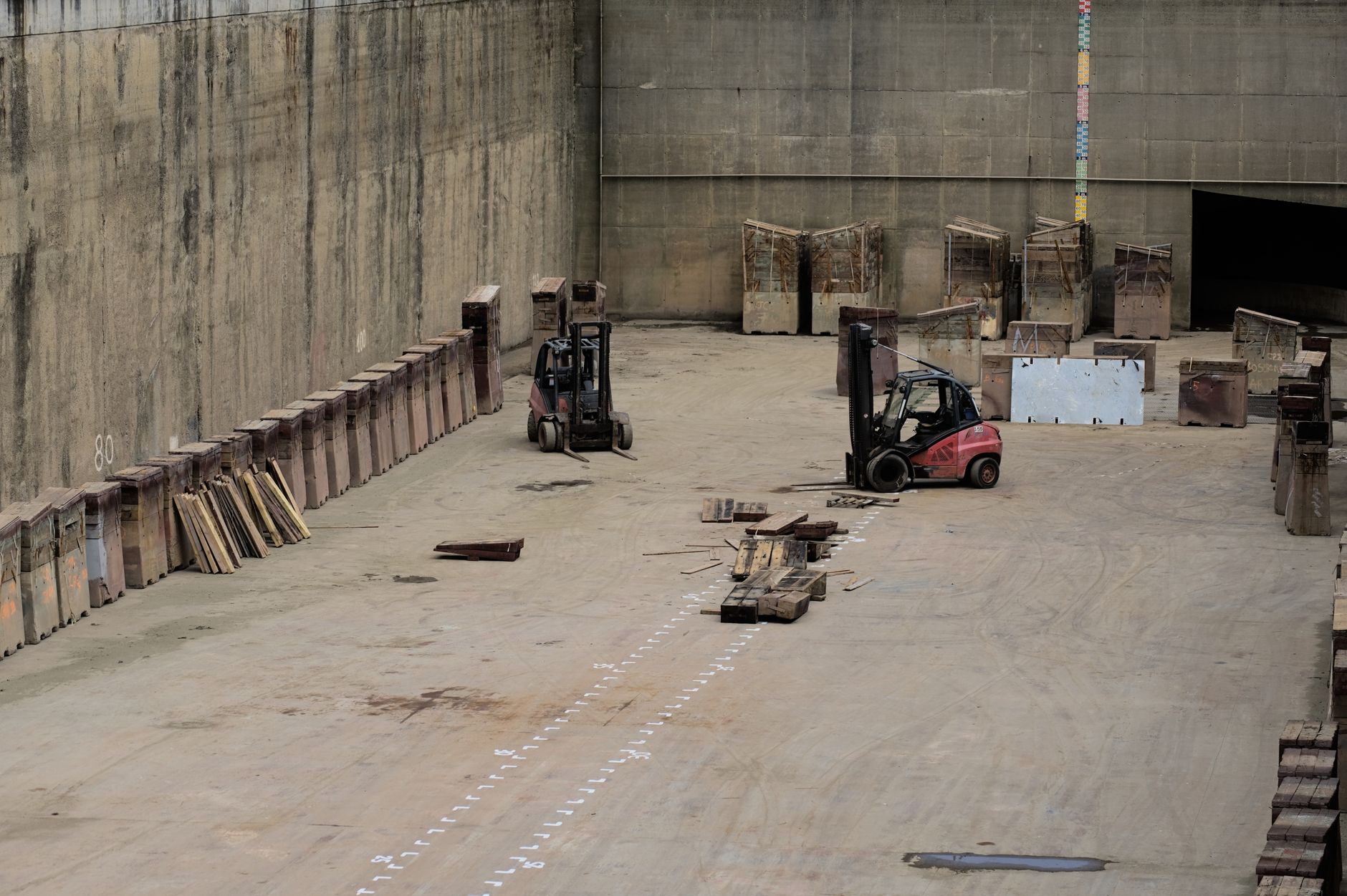
The operation partnered with the robot supplier on a DriveMod-enabled autonomous stockchaser focused on the fulfillment-to-shipping lane. Engineers documented lighting, aisle widths, and obstacles in the operational design domain before routes went live.
The pilot ran about four weeks while the team compared autonomous pallet moves against the prior electric pallet jack workflow on the same lane.
- Site assessment of lanes, lighting, and obstacles
- Mapped moves from fulfillment stations to outbound shipping
- Side-by-side tracking during a four-week pilot window
- Staff kept pallet creation and order QA on the manual side
Published pilot metrics
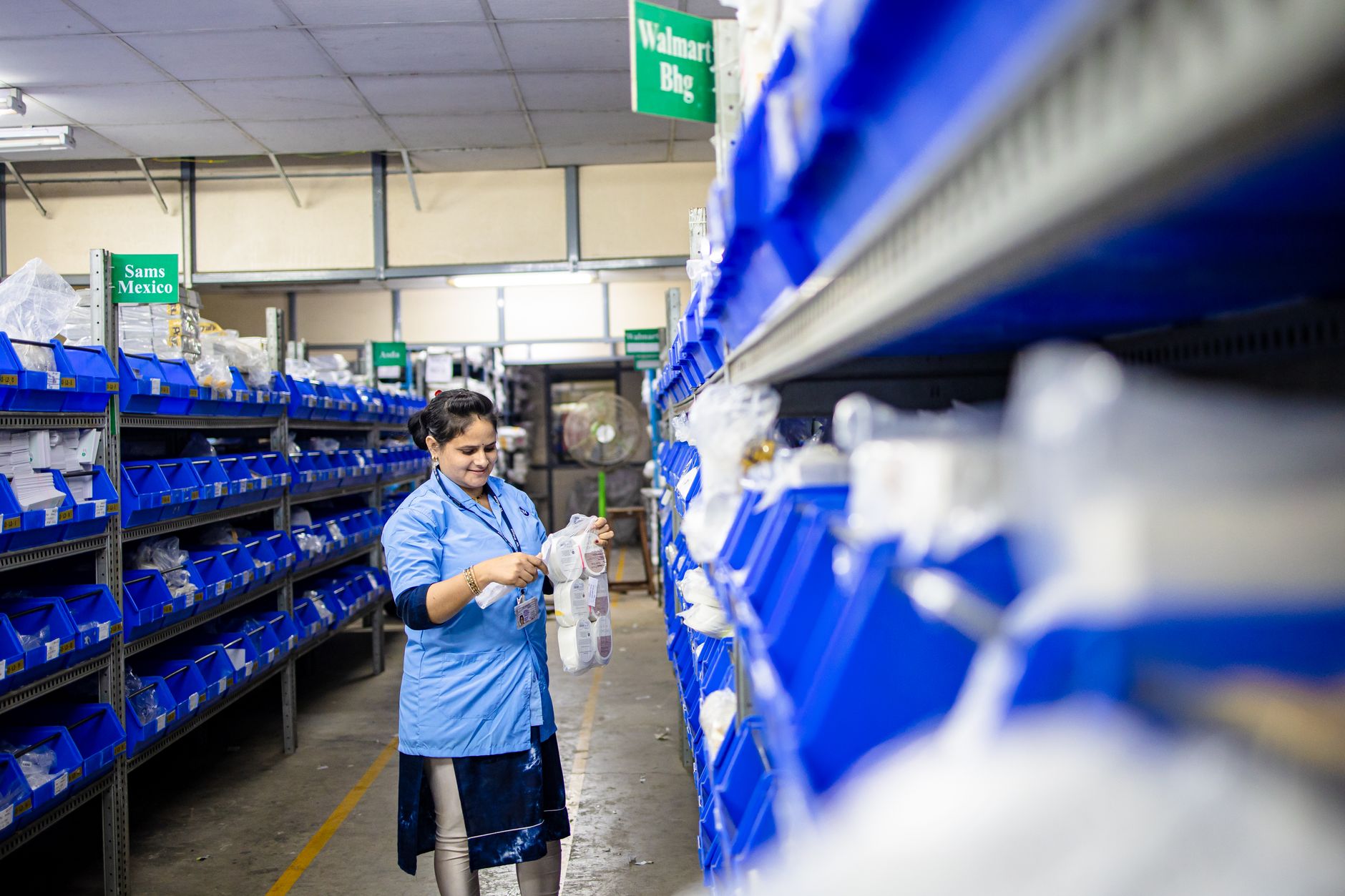
The supplier's published case study reports a 34 percent increase in efficiency on the targeted pallet moves during the pilot. Labor productivity on that workflow rose 33 percent compared with electric pallet jack usage in the same period.
The same document cites a 64 percent reduction in human labor cost per pallet created during the pilot window, which let associates spend more time on pallet creation, order fulfillment, and customer support rather than driving loads across the building.
What operators can copy with Service Robot Co.
This Las Vegas fulfillment site is a documented pilot example, not a Service Robot Co. customer. It still shows what 3PL leaders ask for: pick a single intralogistics lane, run a short pilot, and read efficiency and labor productivity before scaling.
Service Robot Co. stays OEM-neutral on autonomous pallet transport and AMR options, helps compare units against your WMS touchpoints and aisle geometry, and handles financing, deployment, training, and RoboCare service nationwide. A free site assessment is the usual first step for buy or lease quotes on your heaviest repeat routes.