
a lithium battery electrode and lamination workshop automating cartridge load and unload
How a Lithium Battery Plant Automated Cartridge Handling With Dock-Precise AMRs
IFR-documented IPLUSMOBOT AMRs dock lamination cartridges at ±1 mm in narrow aisles, coordinate elevators and air showers, and trace material across battery front-end lines.
- 10+
- Cartridge AMRs
- ±1 mm
- Dock precision
- 1,301 mm
- Narrow aisle cited
- ±5 mm
- Roll handling cited
Based on a documented real-world deployment. Figures are from public reporting; the organization is not named.
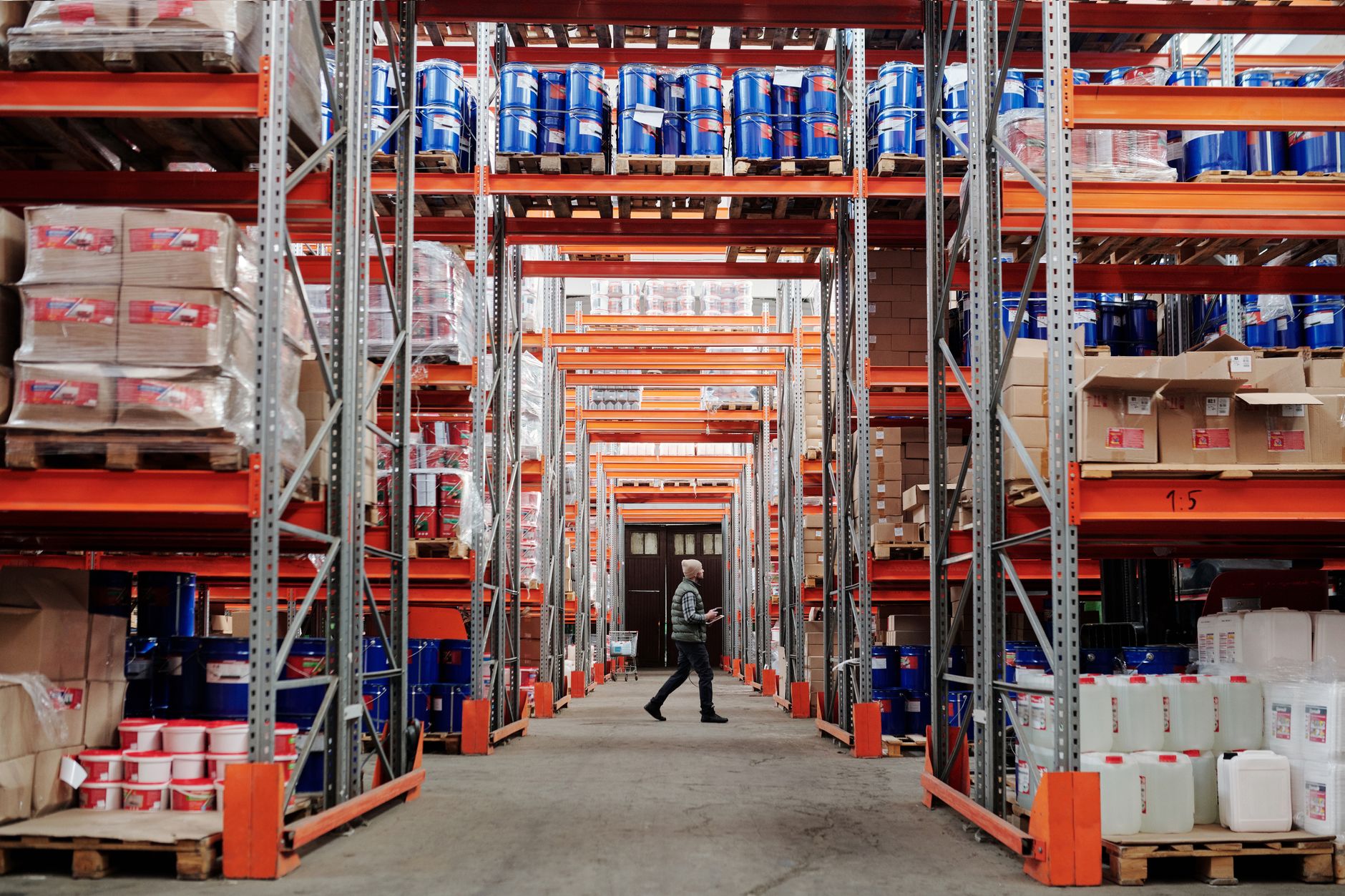
Heavy loads and tight docking in front-end battery lines
The IFR case describes electrode roll and lamination cartridge handling that demands large loads, high positioning accuracy, and frequent manual assistance in loading and unloading scenarios.
Stacking areas needed autonomous transport of full and empty lamination cartridges without blocking narrow aisles or losing traceability between process steps.
- Move lamination cartridges without manual trolley shuttles
- Dock to machines within about one millimeter in tight aisles
- Coordinate with air showers, doors, elevators, and buffers
- Operate safely in mixed human and vehicle traffic
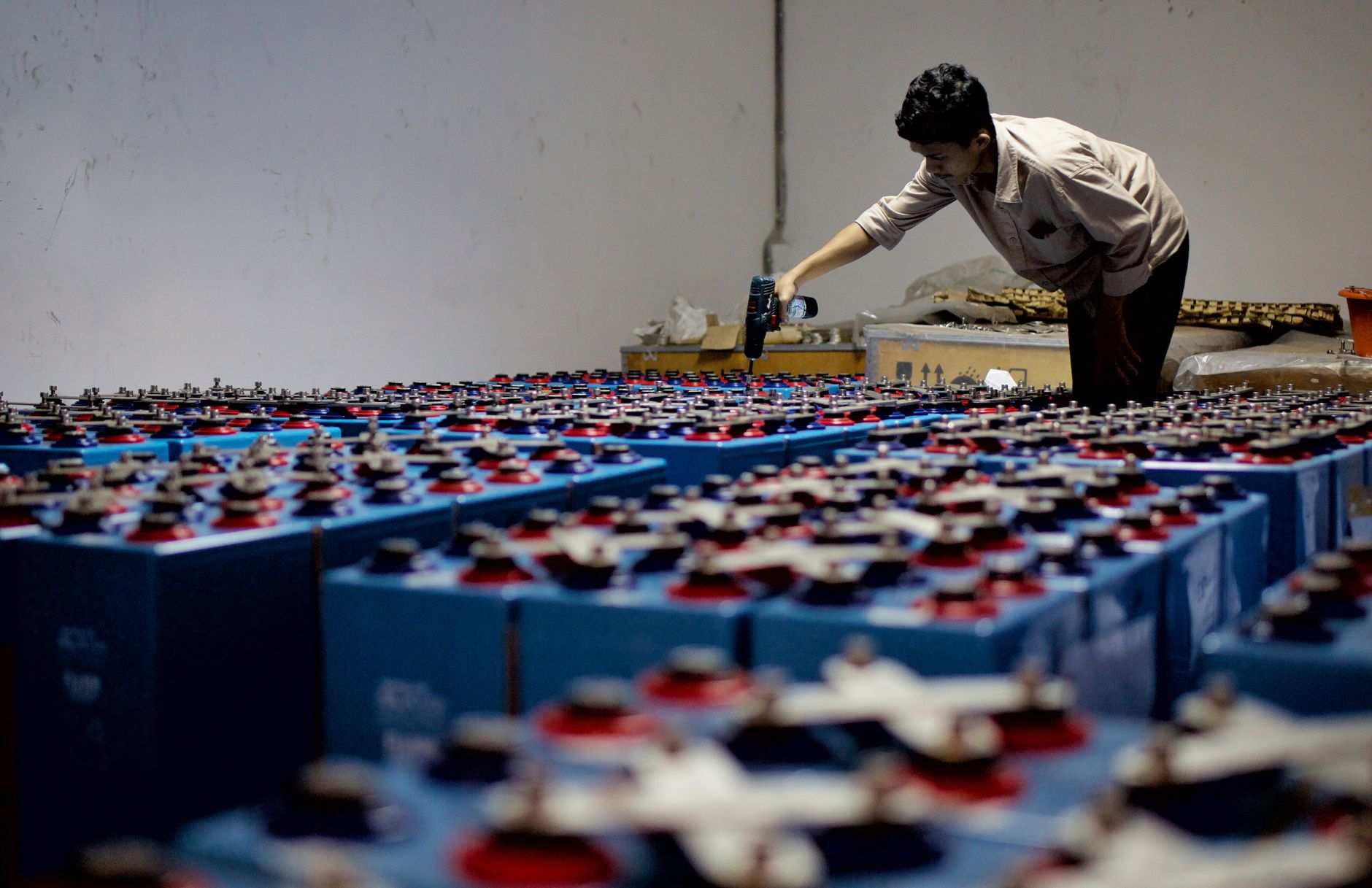
Vision-laser AMRs with cross-map fleet control
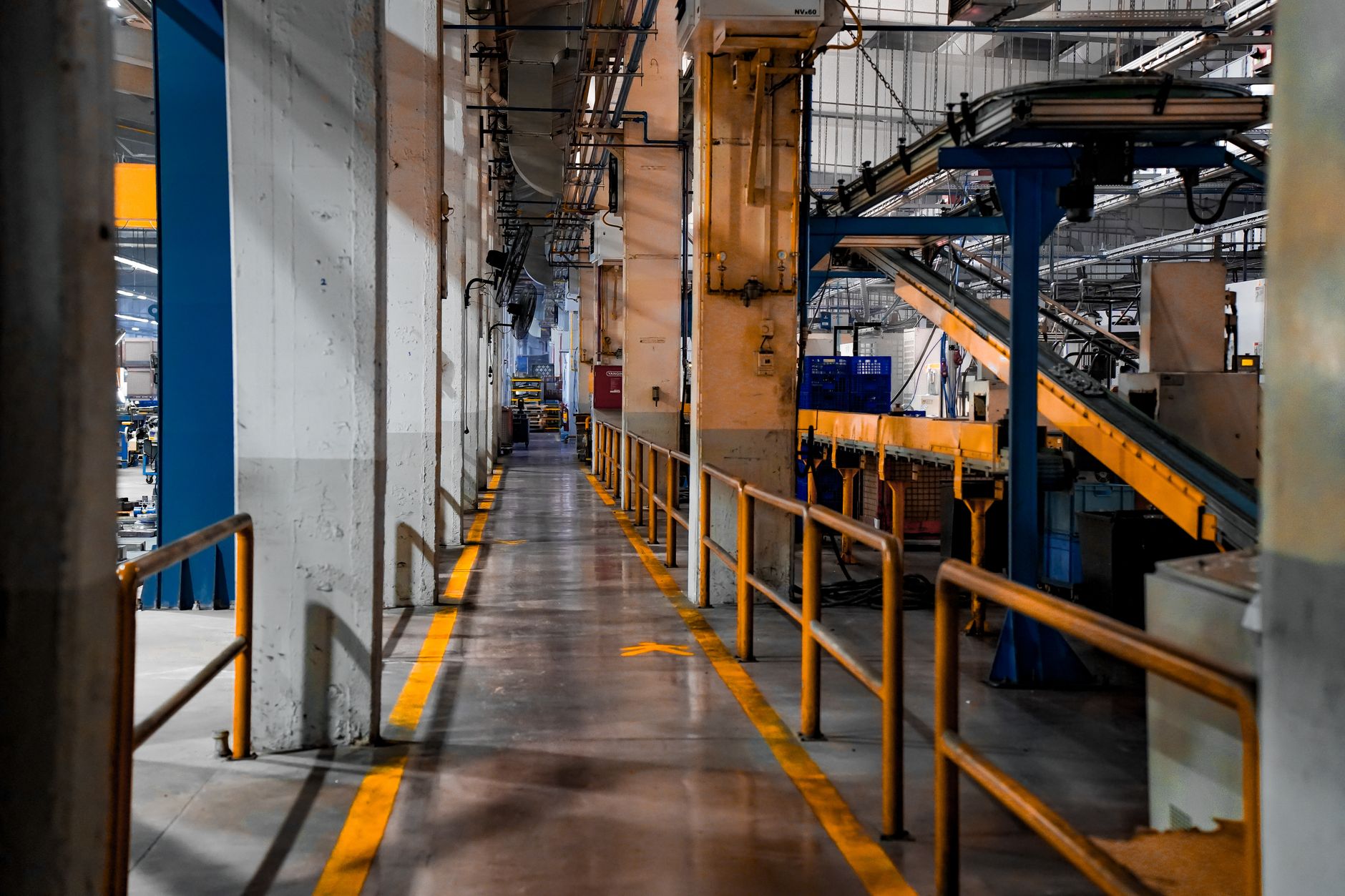
More than ten cartridge-handling AMRs load, unload, and buffer in the stacking area, moving full cartridges forward and returning empties autonomously, per the IFR article.
The robots dock to platforms with about one millimeter precision, including workstations in aisles as narrow as 1,301 millimeters cited in the source.
AMRs communicate status with air shower doors, elevators, and buffers, call elevators for cross-floor moves, and switch between visual and laser navigation based on site conditions while all models coordinate through cross-map traffic management.
- Use vision and laser fusion for electrode roll moves at about ±5 mm
- Automate cartridge exchange at lamination stations
- Integrate real-time signals with doors and elevators
- Trace material data for bottleneck analysis
- Run mixed traffic routes on crowded shop floors
Documented logistics and efficiency claims
The IFR case states the deployment makes material information fully traceable and supports data-driven reports for production bottleneck analysis toward lean manufacturing goals.
Published practical calculations in the source cite substantial annual savings, elimination of eight cartridge-handling trolleys, and improved timeliness and accuracy of logistics distribution in the workshop.
Leadership positions the change as replacing cumbersome manual handling with coordinated AMR flows across front-section battery production.
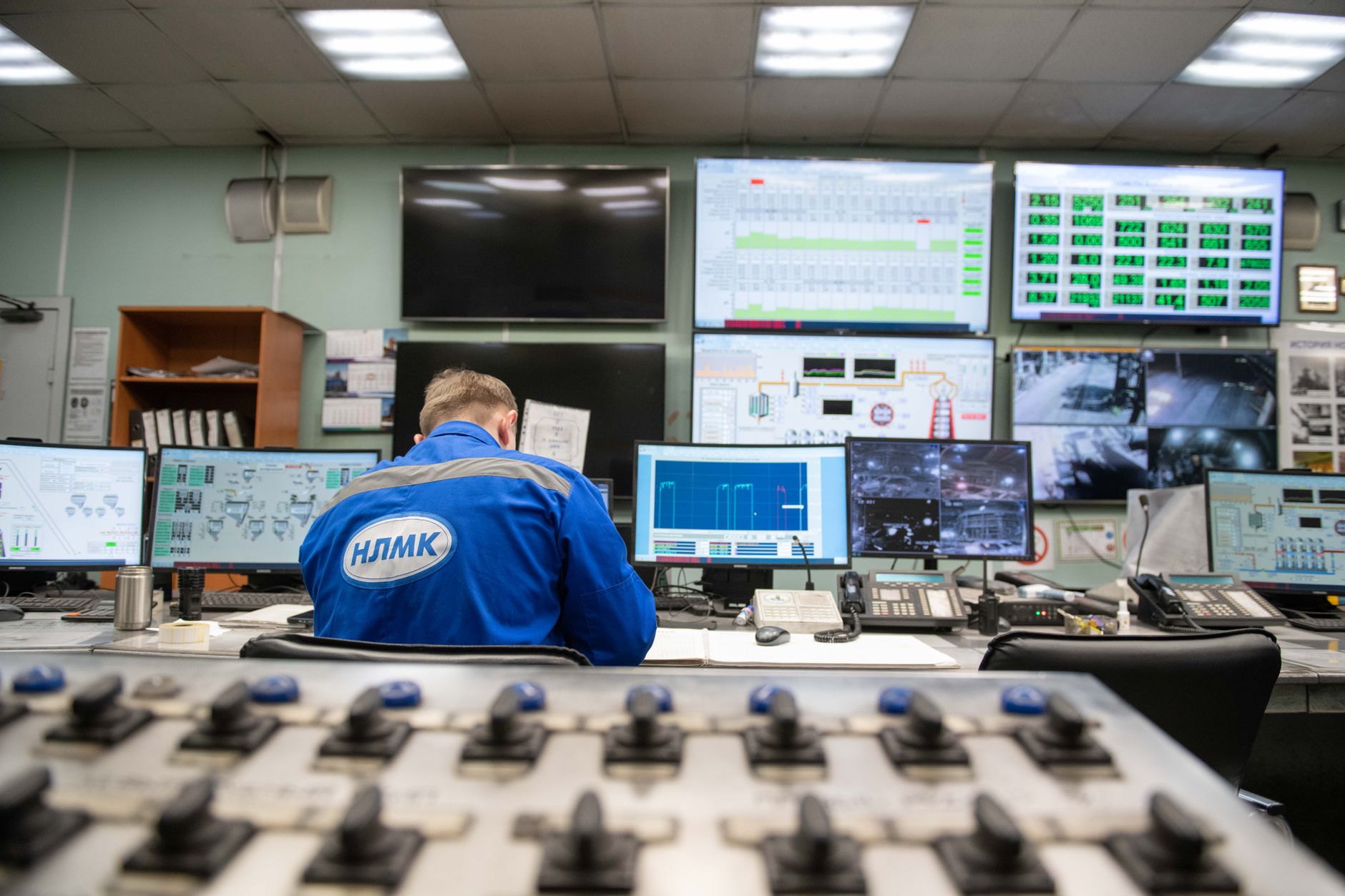
What U.S. plants can take from the pattern
This is a documented deployment analyzed by Service Robot Co., not a claimed client win. The transferable idea is millimeter-level AMR docking and elevator-aware fleet orchestration when manual carts choke high-frequency turnover lanes.
Service Robot Co. maps similar AMR, tug, and conveyor handoff needs, then finances, deploys, trains, and services OEM-neutral mobile robots under RoboCare nationwide. A free site assessment checks aisle widths, door integrations, and shift patterns before you buy or lease.