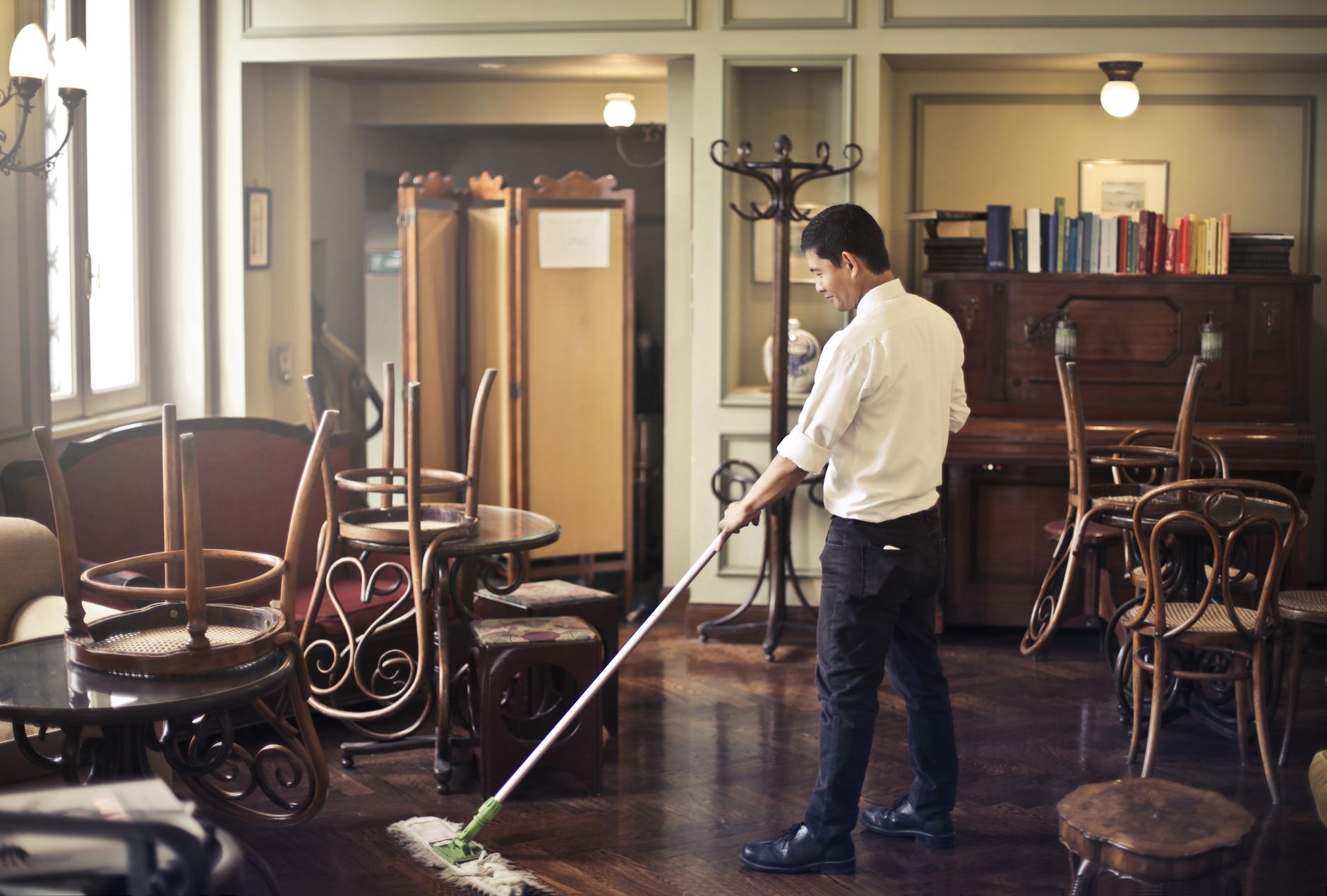
a fast-growing warehousing and logistics operator running a 4,000-square-meter distribution facility
How a Logistics Warehouse Raised Cleaning Productivity 30% With an Autonomous Scrubber
Logistics warehouse case study: an autonomous scrubber delivered a documented 30% cleaning productivity gain and steadier floor care as throughput grew.
- 30%
- Cleaning productivity
- 4,000
- Square meters
- 50%
- Sales growth cited
- 24/7
- Scheduled runs
Based on a documented real-world deployment. Figures are from public reporting; the organization is not named.
Growth outran manual floor care
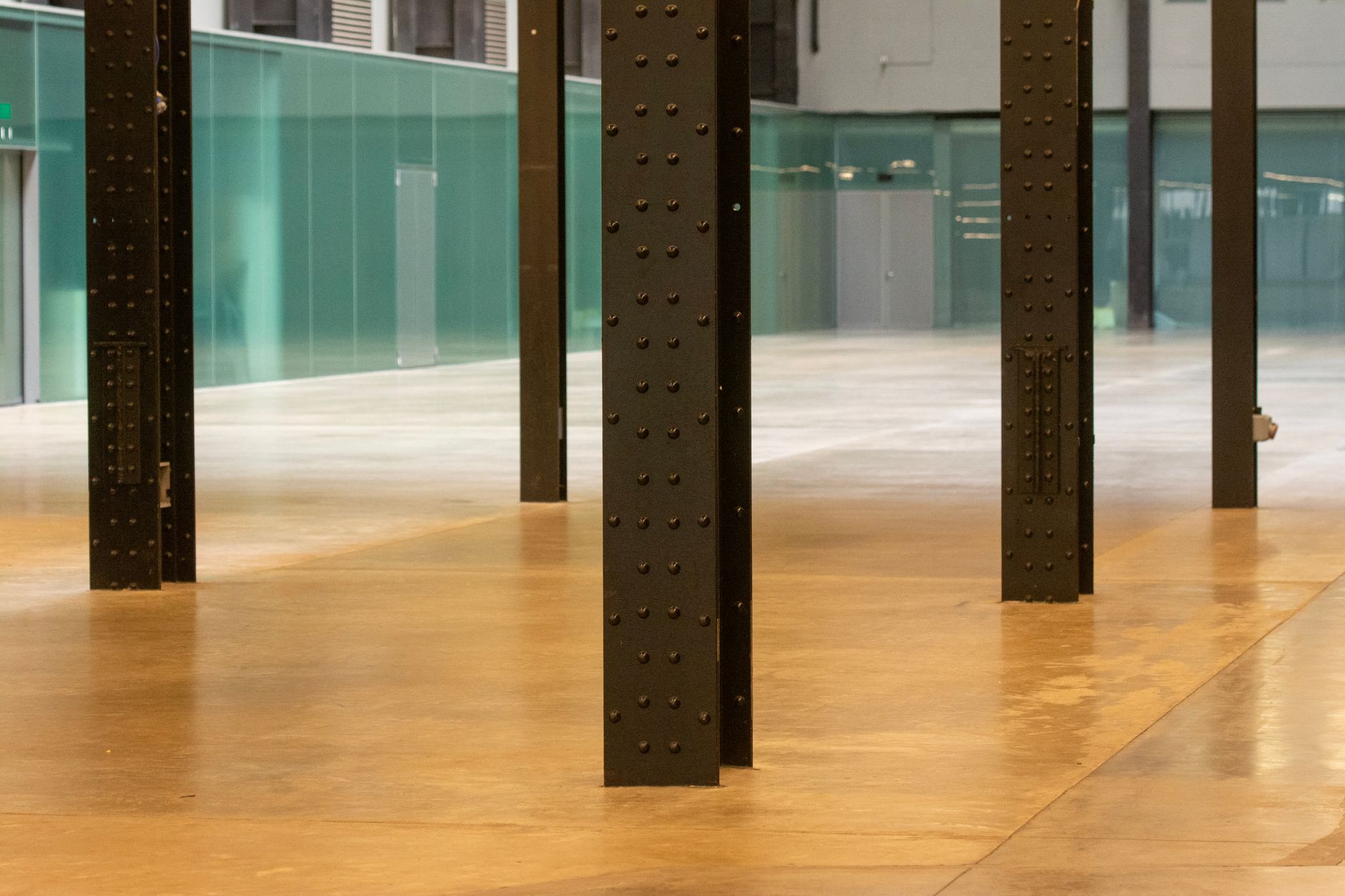
The operator runs a four-thousand-square-meter logistics building where forklifts, pallet traffic, and seasonal volume spikes keep aisles dirty faster than a small crew can reset them. Leadership reported roughly fifty percent year-over-year net sales growth, which added surface area, shifts, and complexity without a matching increase in reliable cleaning labor.
Teams used operator-led scrubbers that tied one person to each machine. When hiring tightened, coverage slipped and utility spend on water and detergent climbed without clear performance records.
- Inconsistent labor for daily maintenance cleaning
- Rising water and electricity costs on manual scrubbing
- No consistent way to track cleaning completion
- Need for traceable floors as customer audits tightened
Autonomous scrubbing on facility schedules
Management brought in an autonomous floor scrubber sized for wide logistics aisles and programmed it to run on shifts that matched receiving and dispatch peaks. The unit navigated mapped routes while staff focused on dock coordination and exception handling instead of pushing machines.
Operators still owned prep and recovery tasks, but the robot handled the long, repetitive scrub passes that had been consuming the most hours. Facility leads used run logs to confirm which zones finished each night.
- Mapped main aisles and dock approaches first
- Aligned run windows with low foot-traffic periods
- Trained leads on pause, refill, and restart procedures
- Tracked water and detergent use against prior manual baselines
Measured productivity and steadier coverage
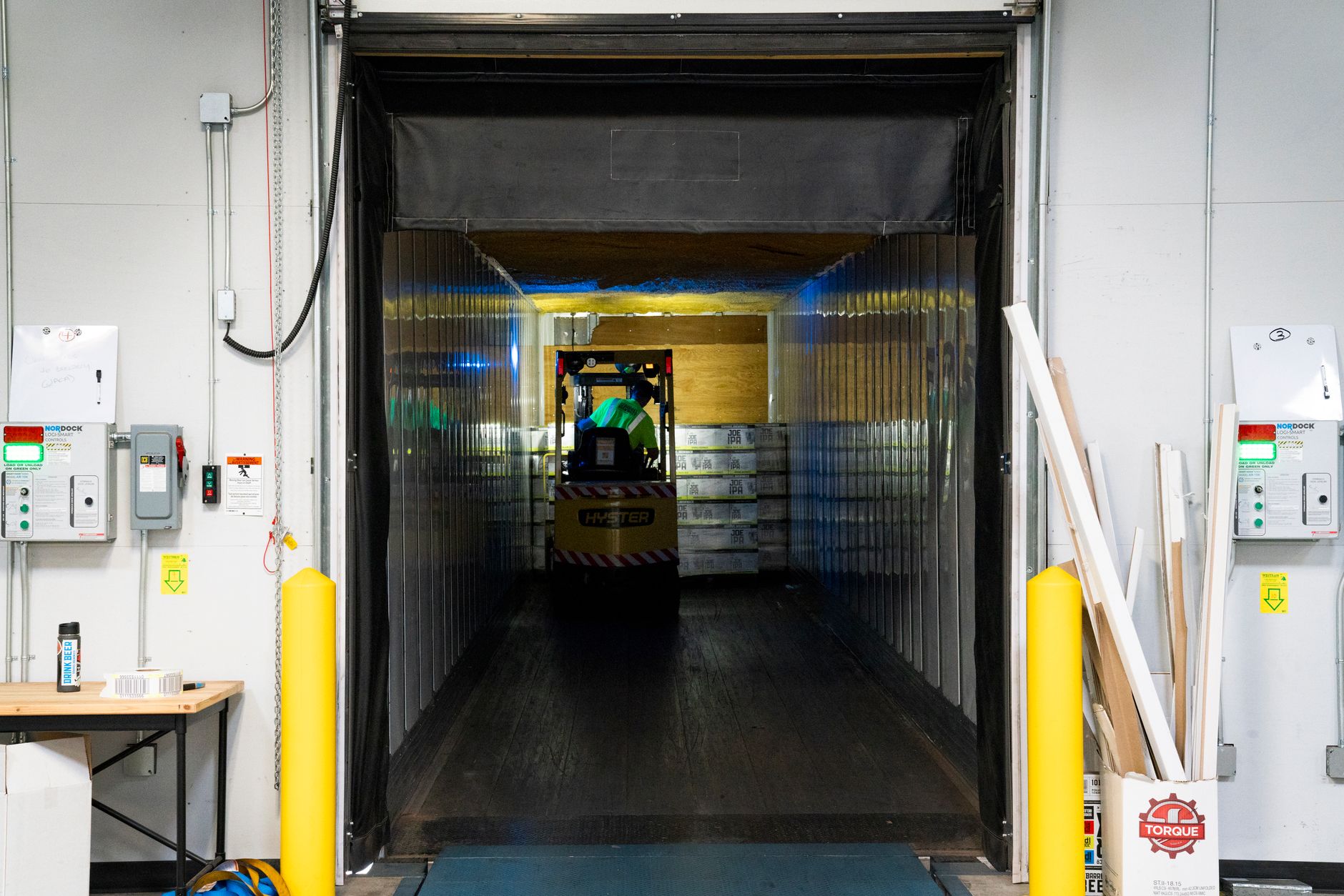
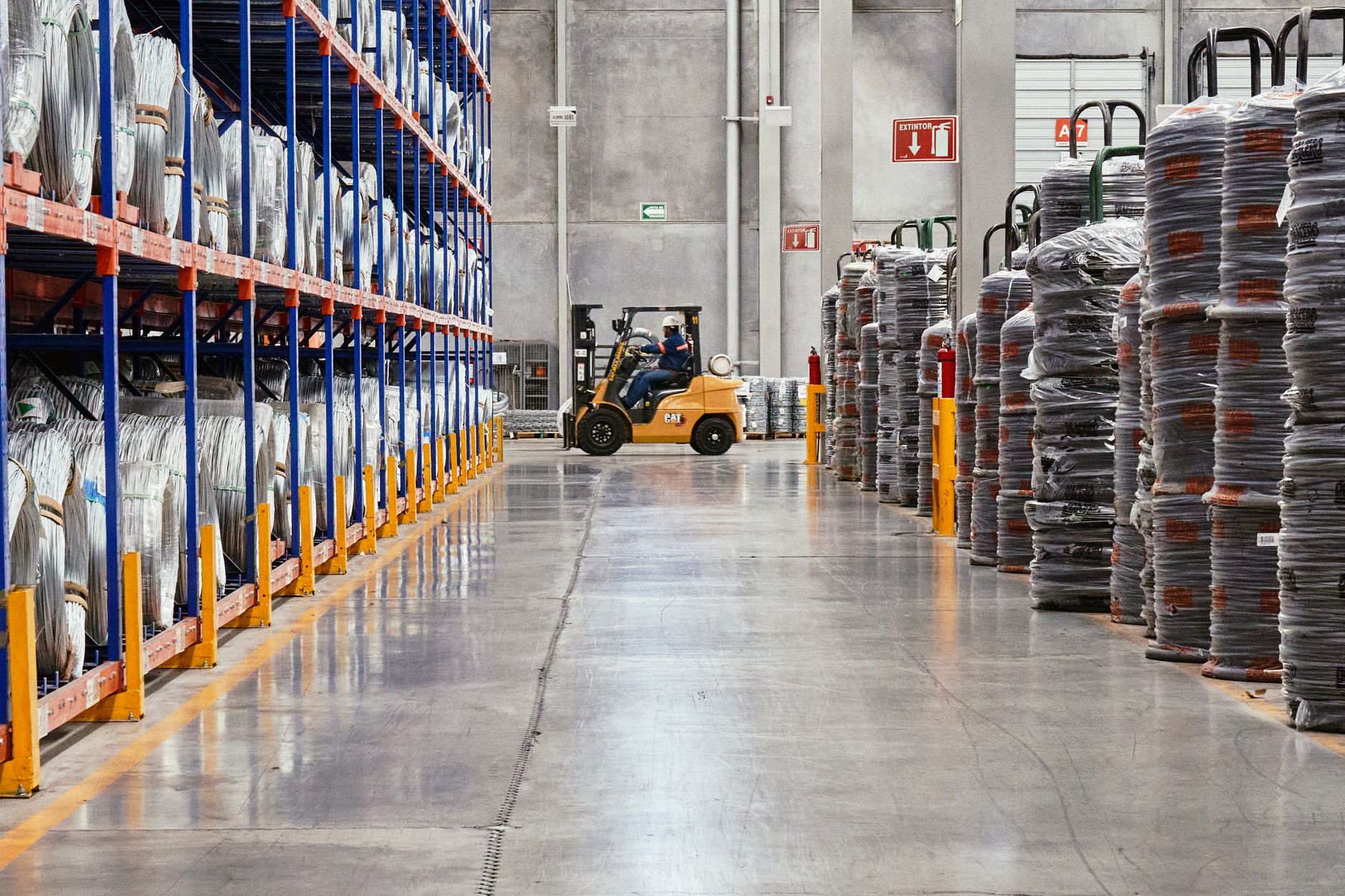
The deployment delivered a documented thirty percent boost in cleaning productivity compared with the prior manual scrubbing model. Floors stayed on schedule even when frontline labor was short, because the autonomous unit could complete long passes without pulling someone off dock support.
Utility use became more predictable as water, detergent, and electricity consumption dropped relative to the old operator-led routine. Staff moved into higher-responsibility roles while the robot covered repetitive scrubbing.
Leadership framed the gain as operational resilience: cleaning performance stayed visible to customers and auditors while sales growth continued.
What US logistics sites can borrow
Third-party logistics and distribution operators often face the same pattern: revenue grows, square footage fills, and night cleaning becomes the first place labor shortages show up. Autonomous scrubbers attack that gap without a building expansion.
Service Robot Co. compares scrubber platforms across manufacturers, then finances, deploys, maps, trains, and services the fleet nationwide. Buy or lease paths let you match payments to labor savings instead of waiting on capital cycles.
A free site assessment maps aisle widths, charging locations, and chemical handling before you commit to fleet size. RoboCare keeps batteries, software, and repairs on one contract after go-live.