
a London boutique hotel
A London Boutique Hotel's Service Robot: Staff Estimate of 40% Less Amenity Run Time
A London boutique hotel used a service robot for routine guest amenity runs. Staff estimate about 40% less run time and 15 labor hours a week.
Deployment at a glance
- 40%
- Staff estimate: less time on routine amenity runs
- 15 hours
- Staff estimate: labor hours a week moved to guests
- London
- Boutique hotel using a service robot for amenity runs
Based on a documented real-world deployment. Figures are from public reporting; the organization is not named.
Routine amenity runs crowding out guest time
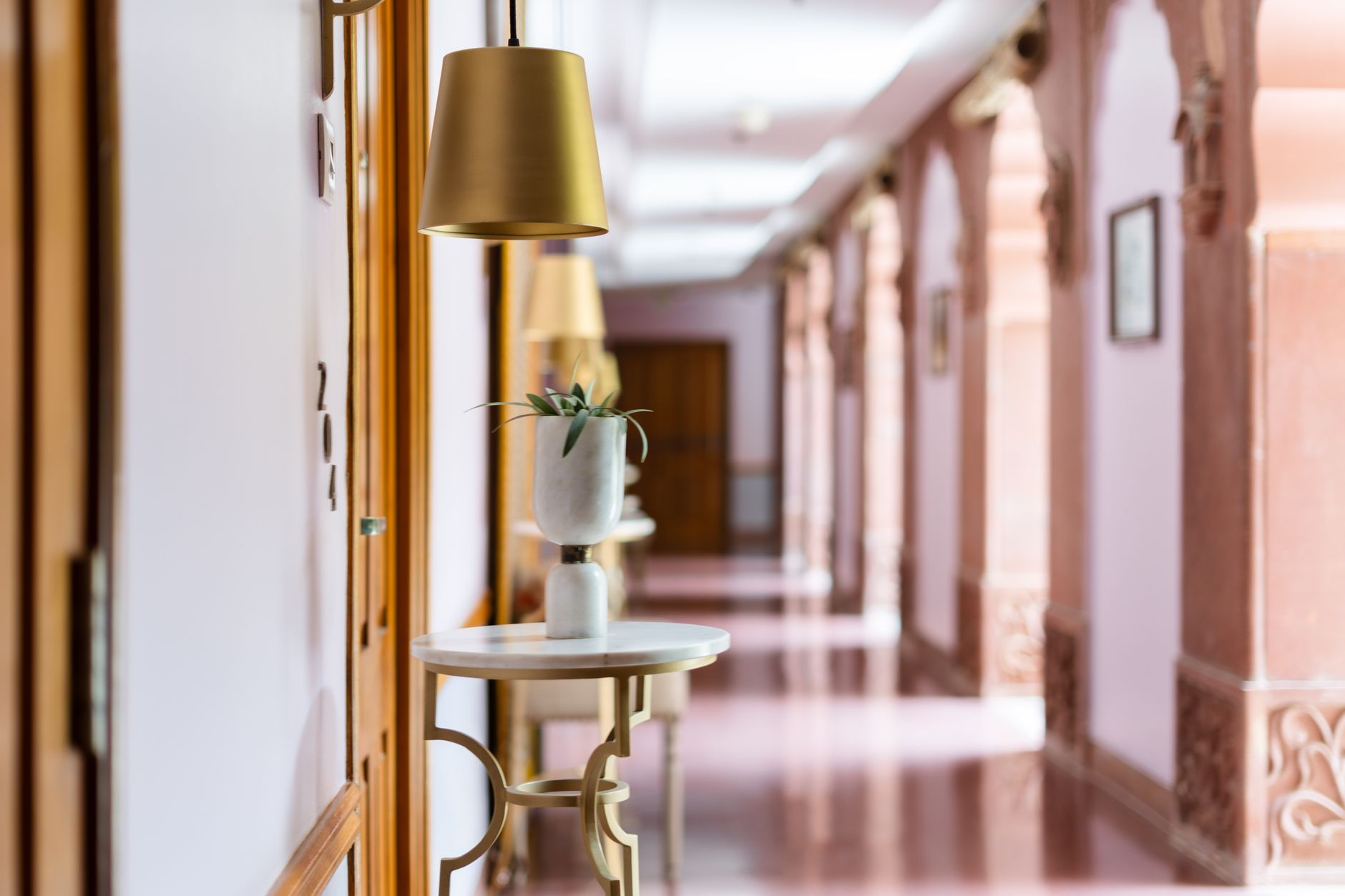
A boutique hotel in Central London runs on attention. Guests notice whether a towel, a toiletry or an extra pillow arrives promptly, and they notice even more whether a member of staff has a minute to talk with them.
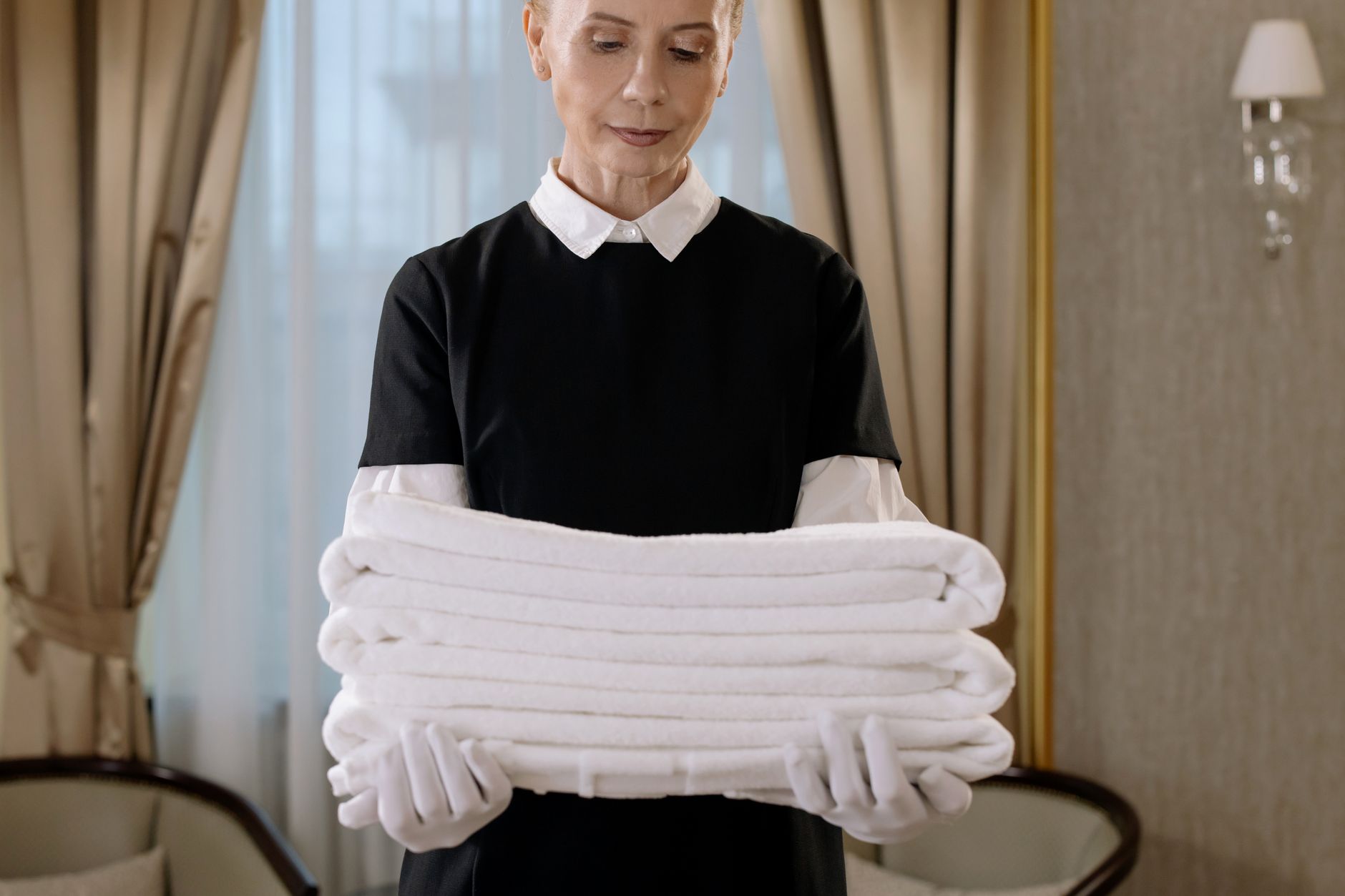
Amenity runs are the quiet drain on that attention. They are short, repetitive trips to bring supplies to guest rooms, and each one pulls a staff member away from the front of house. Across a week, those trips add up to hours a small team can rarely spare.
The hotel's question was practical. Could a service robot take over the routine runs and give that time back to guests?
A service robot assigned to routine amenity runs
The hotel deployed a service robot for routine guest amenity runs, the repeated trips that carry supplies to guests. The robot took the predictable, repeatable work, and people kept the parts of the job that call for judgment, conversation and a personal touch.
In most deployments of this kind, the work moves through a few stages. A site survey and route mapping come first, then staff learn how to load the robot and handle exceptions, and the team runs the robot under supervision before routine runs go to it fully. Service and support continue after go live, so the robot keeps running as the building and its routine change.
What the hotel reports, as estimates
The headline figure is a 40% reduction in time spent on routine amenity runs. That number is a staff estimate, not a measured result, so it describes the team's sense of the change rather than audited savings.
Staff also estimated that about 15 labor hours a week were redirected to personalized guest service. Like the 40% figure, this is an estimate of time moved. It is not a reduction in headcount, and it is not a booked cost saving.
Taken together, the figures point toward more time for guests. They do not establish a payback period, so any hotel weighing a similar robot should time its own amenity runs before and after a deployment.
What this means for a service robot lease
Service Robot Co. is a full service, OEM neutral robot integrator for US businesses, and our robot leasing for business covers the whole lifecycle. We select the right robot across manufacturers, then arrange financing, deploy, integrate, train and service every unit through a nationwide US engineer network.
For a hotel weighing an amenity delivery robot, the path is a lease. Service Robot Co. leases robots on a 3 year lease with one fixed payment, quoted after a site assessment, so the team can plan around a single steady figure.
Our engineers handle deployment, integration and training, then service each unit, so a hotel team is not left to diagnose a stalled robot during a busy service window.
Service Robot Co. did not run this London deployment. The case shows the workflow a US hotel would follow when it considers a hotel delivery robot lease.
Frequently asked questions
Want a robot working for you?
Tell us the job and the site. We will recommend the robot, quote the lease, and keep it serviced.