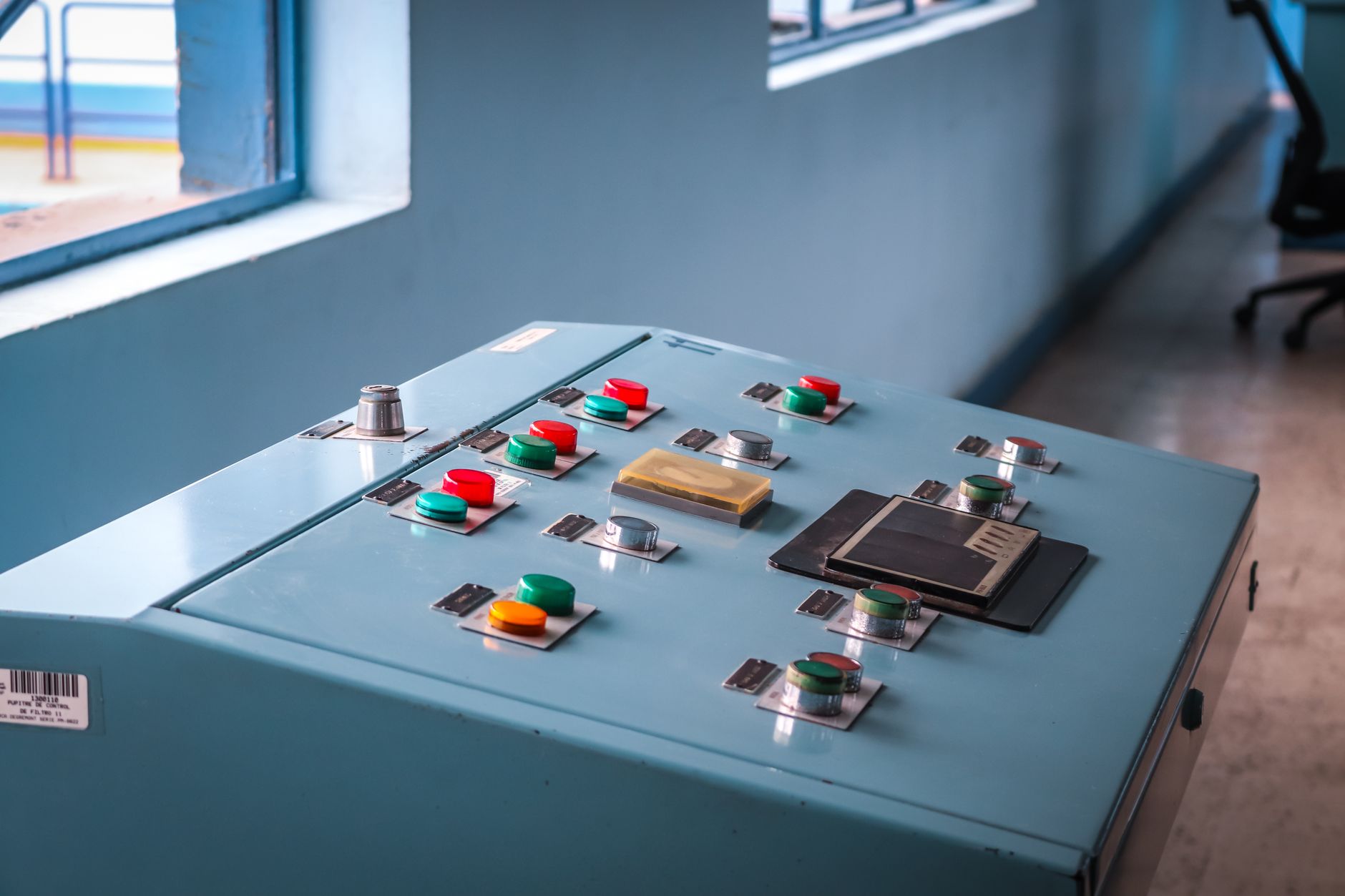
a discrete manufacturing plant integrating AMR intralogistics across about 15 workstations
How a Manufacturing Plant Saved 1.14 Labor Hours Per Shift With AMRs
Peer-reviewed plant study: API-linked AMRs across 15 workstations saved 1.14 labor hours per shift versus forklifts, with a 30% more economical five-year CAPEX model.
- 1.14 hr
- Per shift saved
- 30%
- CAPEX edge
- ~15
- Workstations
- 5 yr
- Cost study
Based on a documented real-world deployment. Figures are from public reporting; the organization is not named.
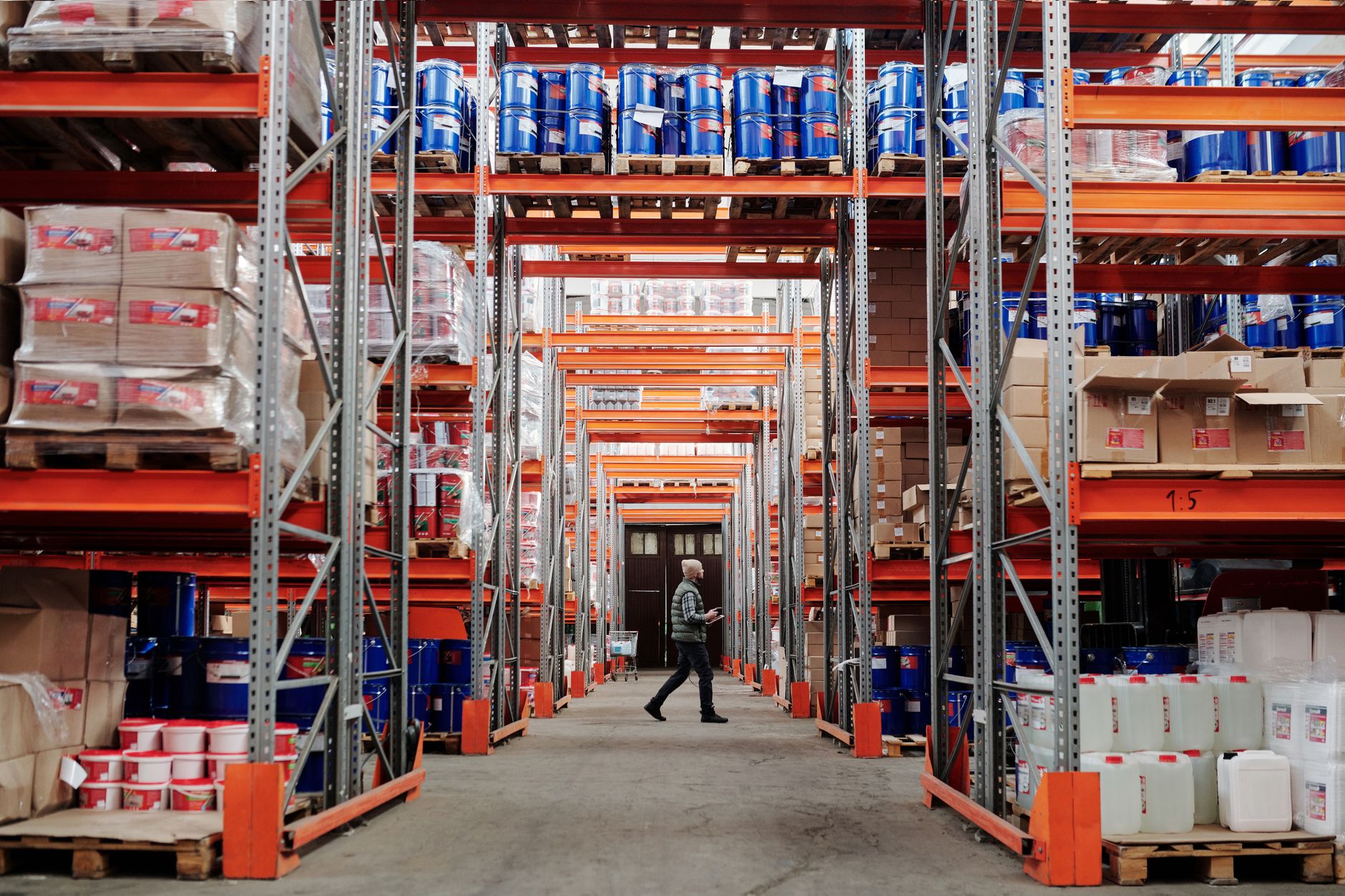
Forklifts and manual handoffs on the floor
A discrete manufacturing plant needed faster, more predictable material moves between warehouse and production areas without adding headcount. Forklift-based intralogistics tied skilled operators to repetitive horizontal travel while manufacturing execution and warehouse systems stayed only loosely connected to what happened on the floor.
Leadership wanted Industry 4.0-style automation that could talk to existing software rather than a one-off pilot. The constraint was proving time savings and economics across real workstations before scaling.
- Repetitive pallet and tote moves between storage and lines
- Limited visibility when MES and WMS data did not match floor reality
- Pressure to justify automation on time and five-year cost, not hype
API-linked AMRs on a measured baseline
The plant evaluated autonomous mobile robots against traditional forklifts for the same intralogistics tasks. Implementation used API communication protocols linking master entry servers, the manufacturing execution system, and the warehouse management system so moves could be triggered from production demand rather than ad hoc radio calls.
Researchers ran a structured time study across roughly fifteen workstations to compare the forklift baseline with the AMR workflow. A parallel five-year review compared operating and capital expense models so finance could see payback under realistic shift patterns.
- Map critical workstation-to-storage loops
- Integrate AMR tasks with MES and WMS via APIs
- Time-study forklift versus AMR cycles on the same routes
- Model five-year OPEX and CAPEX scenarios for leadership sign-off
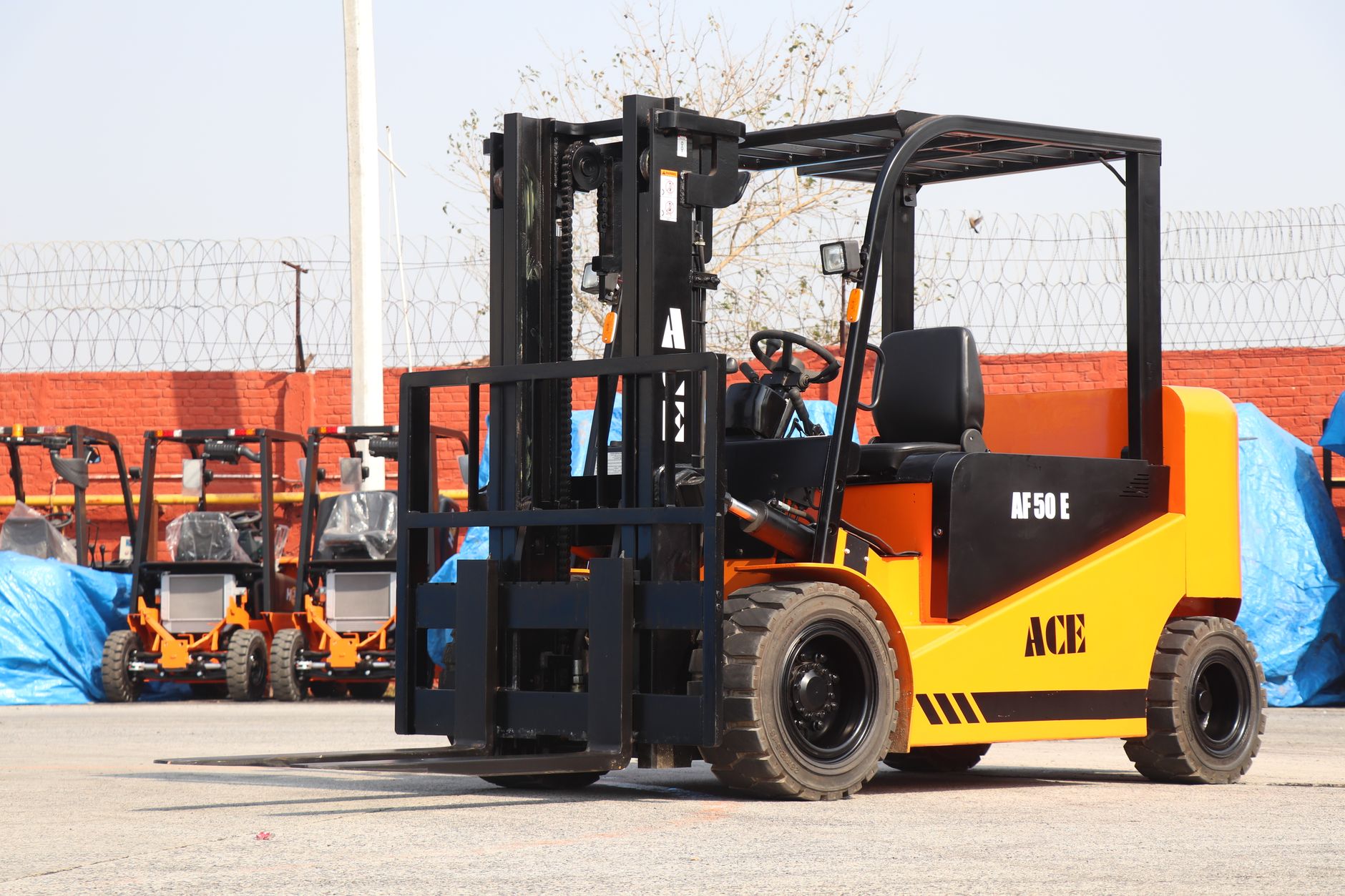
Documented shift time and cost outcomes
The time study recorded about 1.14 hours saved per shift once AMRs handled the targeted intralogistics work across the workstation sample. Savings came from reducing non-value travel and handoffs that had been embedded in the forklift routine, not from eliminating production roles outright.
On economics, the five-year analysis compared three financing approaches. The capital purchase model for autonomous mobile robots proved about 30 percent more economical than the alternatives studied, giving plant leaders a concrete figure for budget conversations.
What this means for your plant
This anonymized example shows how API-ready AMRs can reclaim measurable shift time when material handling is the bottleneck. Service Robot Co. does not claim this deployment; we use documented outcomes like these to help US manufacturers scope OEM-neutral fleets, financing, integration, training, and nationwide RoboCare support.
If your team is weighing forklifts versus AMRs, start with the loops that repeat every shift, tie software triggers early, and insist on a time study plus a multi-year cost view before you scale beyond a pilot zone.