
a private golf club in Marin County, California
How a Marin County Golf Club Freed 45 Weekly Hours with Fairway Robotics
A private Marin County golf club trimmed rotary mowing, ran autonomous fairway units on quiet schedules, and reallocated about 45 weekly labor hours to detail turf work.
- 45 hrs
- Weekly reallocated
- 2-3
- Mowings removed
- 8-10pm
- Evening run
- 5-8am
- Morning run
Based on a documented real-world deployment. Figures are from public reporting; the organization is not named.

Labor tied to repetitive fairway passes
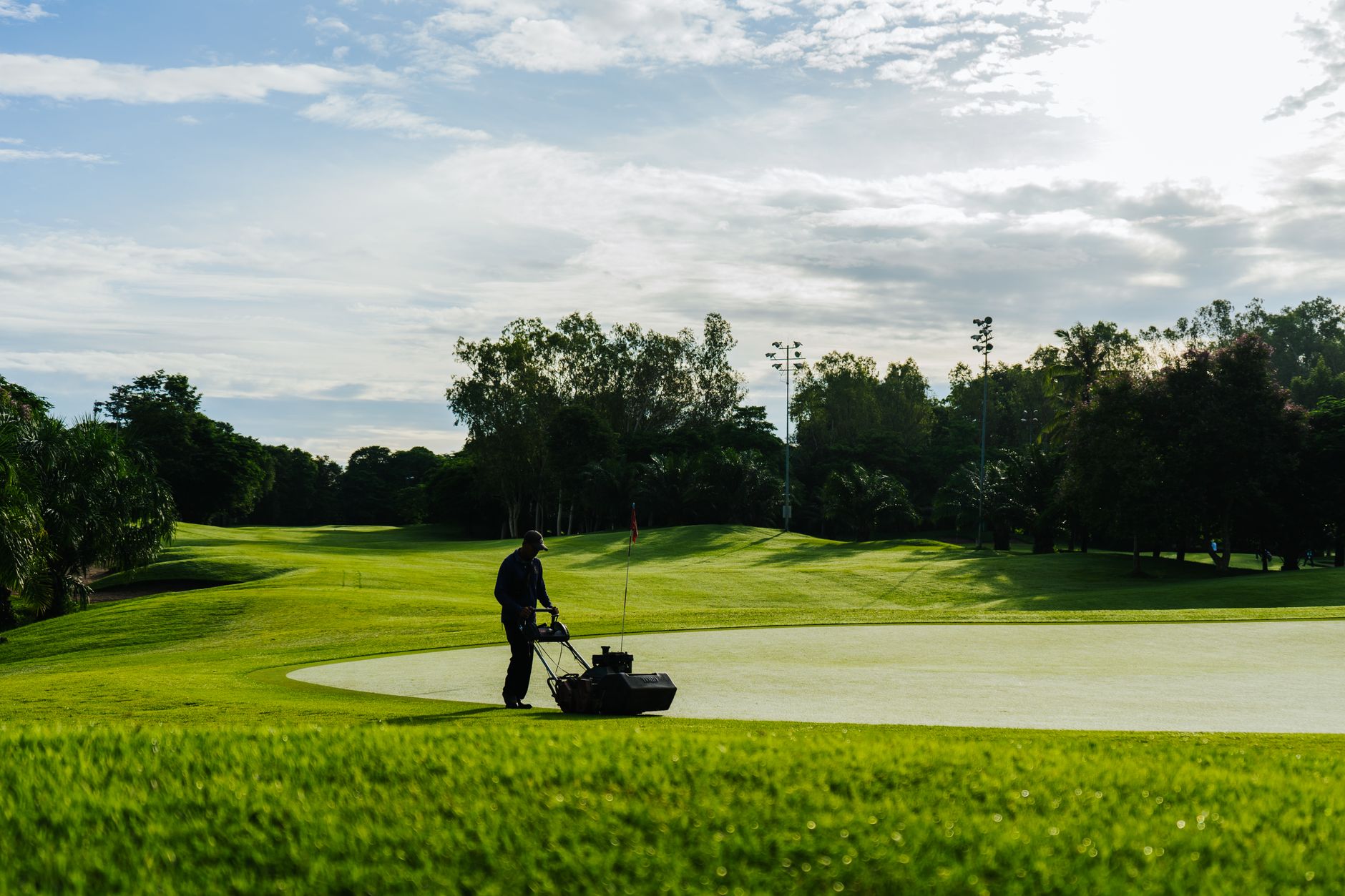
Like many Bay Area clubs, this layout competes for skilled turf staff while members expect crisp fairways and clean rough lines every day. Rotary fairway mowing consumed predictable blocks of crew time that could not easily shift to bunkers, surrounds, or hand work without slipping on presentation.
Leadership wanted to cut repetitive seat time without lowering cut quality or pushing noisy equipment into sensitive evening hours near neighboring homes.
Phased robotics on fairways
The superintendent started by removing two to three rotary mowings each week on selected turf while keeping greens, tees, and bunkers on the crew plan. Autonomous units took over large fairway loops that had been the most repetitive passes.
Quiet operation allowed overnight windows. Published reporting describes schedules from 8 to 10 p.m. and again from 5 to 8 a.m. so mowing finished before morning play without disturbing neighbors.
Fairway trials stayed deliberate. Leadership noted the units were only as capable as the routes and keep-out zones the team mapped, so staff stayed involved in setup and daily checks rather than walking away from agronomy decisions.
- Map fairways and rough loops with clear stay-out zones
- Drop two to three weekly rotary passes on targeted areas
- Run autonomous units on evening and early-morning schedules
- Keep greens, tees, and bunkers on hand-crew plans
- Expand fairway coverage as routes prove stable
Measured time back for detail work
Trimming multiple rotary mowings each week changed how the shop used its calendar. Crew members spent less time on wide fairway strips and more on presentation tasks golfers notice on the ground.
Published comments from the superintendent note the shop keeps finding additional detail work to tackle. If the robotics plan holds, that is about 45 hours each week redirected from mower seat time to other course work.
The club still treats robotics as an evolving tool. Leadership said the program was using less than half of what the units could eventually cover, which leaves headroom for more fairway automation without adding headcount.
What this means for your course
This Marin County example shows how autonomous fairway mowing can buy back crew hours without pretending greens care runs itself. Service Robot Co. maps fairways and rough, sets schedules around play, trains your point person, and supports the fleet under RoboCare while your team keeps bunkers, tees, and agronomy calls.
Courses buy outright or lease through financing after a free site walk. The integrator stays OEM-neutral, so the mower fits your slopes, noise limits, and maintenance windows rather than a single brand story.