
a Midwest neighborhood grocery retailer operating multiple supermarket locations
How a Midwest Grocery Chain Saved 2 to 4 Hours Daily Per Store With an Autonomous Scrubber
A Midwest grocery retailer added a compact autonomous scrubber per store and reported about two to four daily hours back for customer-facing work when absences hit.
- 2-4 hrs
- Daily time back
- Per store
- Deployment unit
- Easy use
- Staff training
- Absences
- Coverage buffer
Based on a documented real-world deployment. Figures are from public reporting; the organization is not named.
Floors still had to shine on short crews
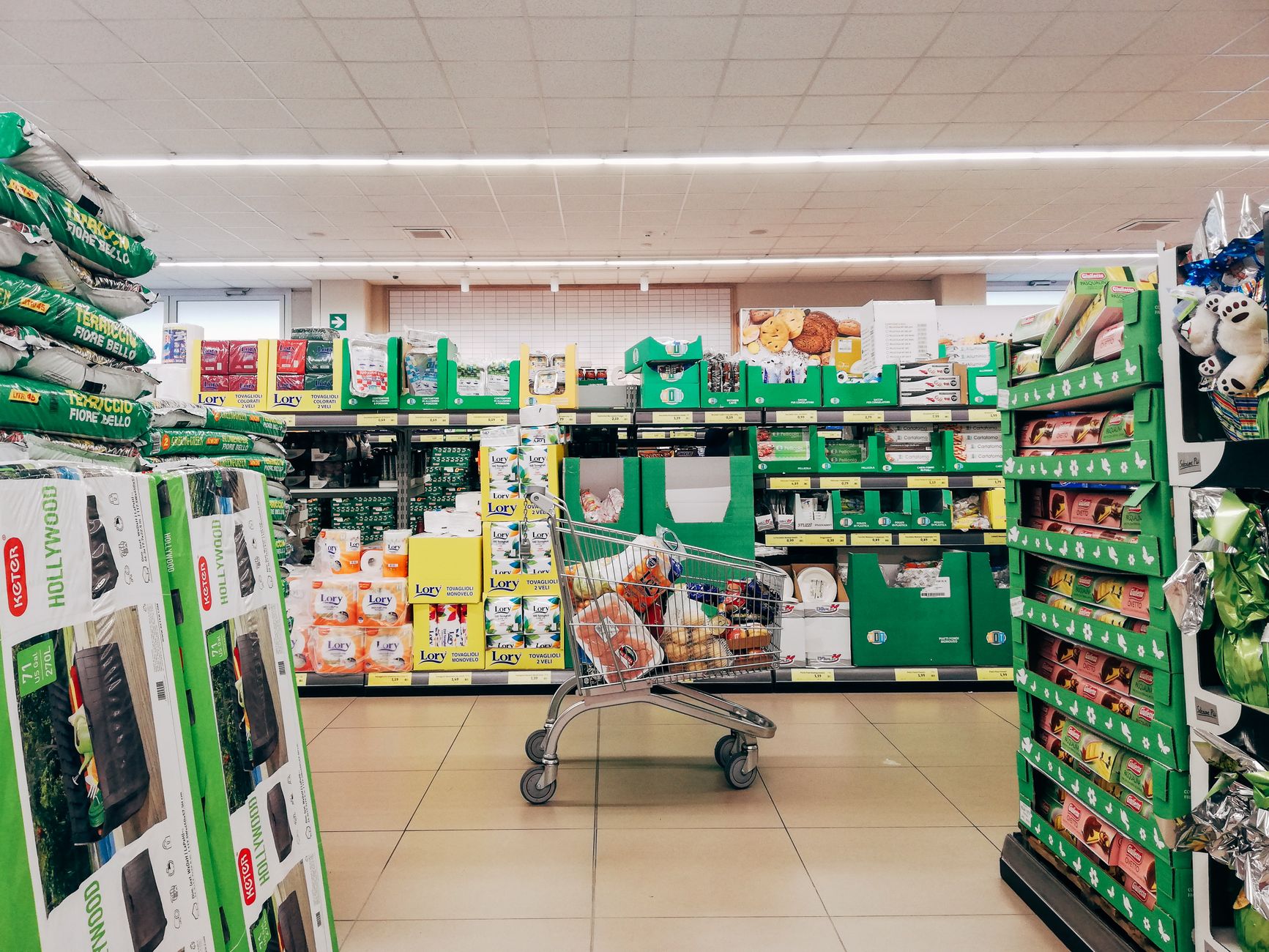
This grocery operator runs neighborhood stores where a clean, safe sales floor is part of the shopping experience. Associates already split time between guests, stocking, and back-of-house tasks, so wide hard-floor passes were easy to slip when someone called out.
Leadership wanted predictable overnight scrubbing without adding headcount on every schedule. They also needed a unit simple enough that opening managers could refill, charge, and restart routes without a dedicated robotics tech on site.
- Customer service competed with floor care on busy days
- Unexpected absences threatened overnight scrub completion
- Managers needed easy daily operation, not a complex platform

Compact autonomous scrubber on nightly routes
Stores adopted a compact autonomous floor scrubber sized for supermarket aisles. Leadership chose it partly because published operator comments describe the interface as straightforward for floor staff who already juggle many closing tasks.
Routes ran on mapped loops while associates handled high-touch areas and guest needs. When attendance was thin, the scrubber still completed its pass so managers were not choosing between clean floors and open registers the next morning.
- Map aisle loops during a pilot store walkthrough
- Train leads on refill, charge, and alarm response
- Run autonomous passes during low-traffic closing hours
- Keep associates on guests and detail work during open hours
- Roll to additional stores after the first route proves stable
Documented daily hour savings
Published quotes from the operator leadership cite about two to four hours saved each day depending on store size, with that time returned to customer service and other in-store tasks. The range reflects different footprints rather than a one-size marketing number.
Managers also noted the scrubber helped cover unexpected absences because floor care could continue even when a walker shift was short. Customer experience comments in the same case study emphasize cleaner aisles without pulling every associate onto mops at close.

What US grocers can take from the pattern
This Midwest example is a documented retailer story, not a Service Robot Co. customer claim. The lesson for US operators is familiar: when night crews are thin, autonomous scrubbers can own the wide loops while people handle guests and high-touch sanitizing.
Service Robot Co. stays OEM-neutral, matches scrubber class to aisle width and drainage, and supports buy or lease financing with deployment mapping, staff training, and RoboCare service nationwide. A free site assessment is the practical first step before you commit capital store by store.