a Midwest B2B distribution center for an industrial sensor and automation equipment manufacturer
How a Midwest Sensor DC Raised Unit Pick Rates From 75 to 764 With AMRs
A documented industrial distribution case study: B2B fulfillment unit picks rose from 75 to 764 per hour with parallel AMR deployment and payback under six months.
- 10x
- unit pick rate
- 764 UPH
- peak units/hr
- 6x
- line pick rate
- <6 mo
- reported payback
Based on a documented real-world deployment. Figures are from public reporting; the organization is not named.
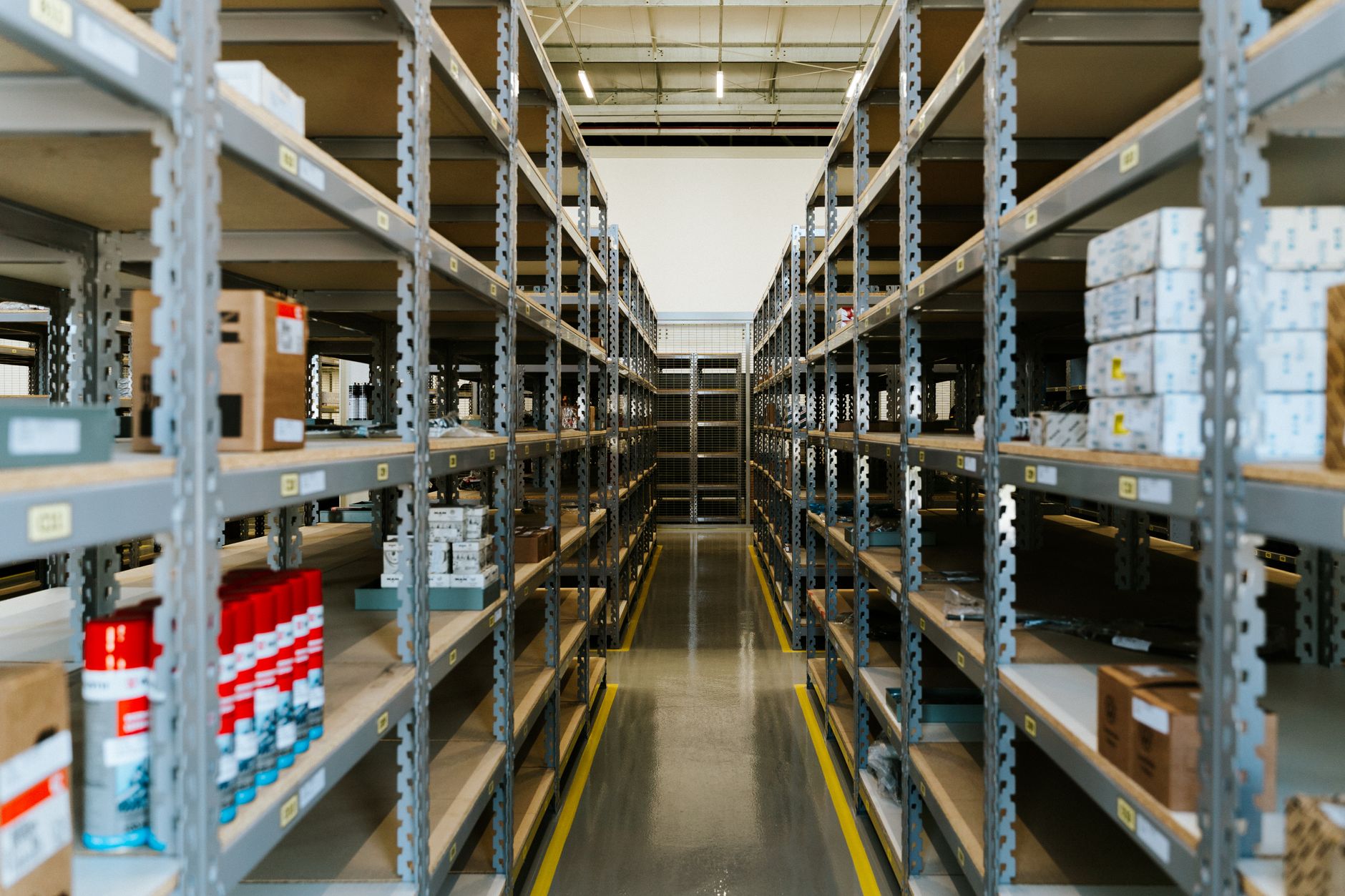
B2B volume outran a brownfield pick floor
A Midwest B2B distribution center for an industrial sensor and automation equipment manufacturer was carrying more ecommerce-style order pressure on a floor built for steady wholesale rhythm. Pickers still walked aisles with carts while service commitments stayed tight.
Leaders needed higher unit and line throughput without a shutdown that would miss customer SLAs. Manual piece picking had settled near 75 units per hour at the unit level and about 25 lines per hour, which left little buffer on busy days.
- Growing B2B order mix on a legacy layout
- Manual cart picking capped throughput
- No tolerance for a full-floor freeze during rollout
Software first, then robots beside live work
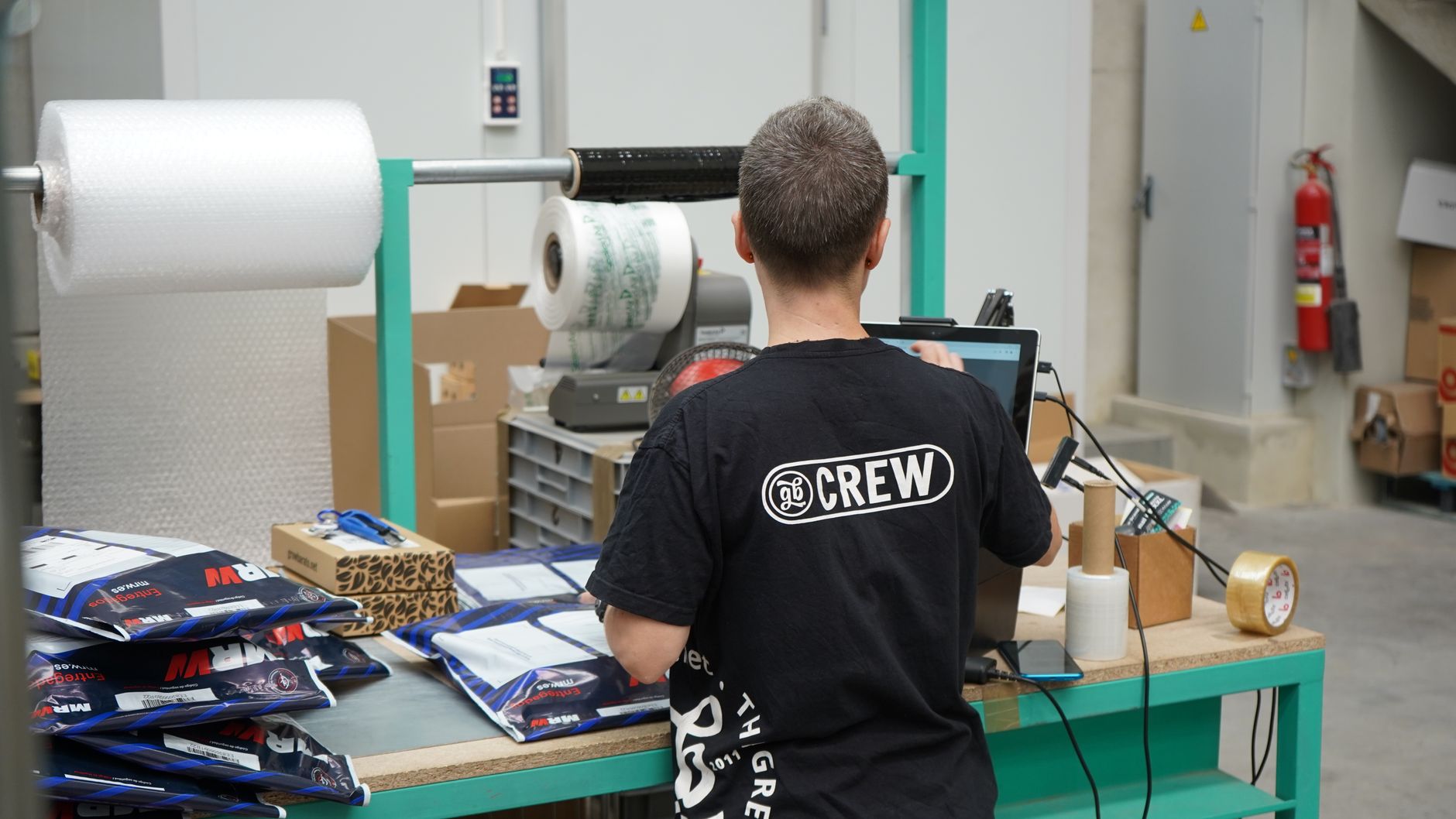
The operation started with AI-directed warehouse software that modeled flows and synchronized inventory moves before any hardware change. A digital twin of the building helped sequence tasks so people and equipment were not fighting the same aisles.
Twenty autonomous mobile pick robots were added with a dynamic pick wall. Robots brought totes to the wall while associates confirmed picks on the opposite side, which kept feet near the pick face instead of on long walks.
The fleet went live in parallel with existing manual picking so orders kept shipping. Later, when the operation moved buildings, the same automation stack was relocated over a weekend and restarted on Monday morning.
- Model workflows and SLAs in software before robots arrive
- Deploy AMRs next to manual work, not instead of it on day one
- Use a pick wall so people stay at a fixed station
- Plan a weekend cutover if the DC moves sites
Measured pick rates and a fast payback window
After the robotic pick wall was running, unit-level productivity rose about tenfold, from 75 units per hour to 764 units per hour in the published case data. Line-level picking moved from 25 lines per hour to 152 lines per hour, a sixfold gain at the line metric.
The documented return on investment landed in under six months, which matters for teams comparing warehouse robot rental or capital purchase paths. Associates shifted time from walking to verifying picks at the wall, which is where accuracy and customer promise actually get kept.
What this pattern means for your warehouse
This story is a real published deployment, not a Service Robot Co. customer claim. It still shows what a vendor-neutral integrator can replicate: match autonomous mobile robot rental or purchase models to your labor curve, map the floor, and phase go-live so pallets never stop moving.
Service Robot Co. selects hardware and software across manufacturers, then handles financing, integration, training, and nationwide service. If you run a distribution center robot rental pilot, the same staged path applies, free site assessment, parallel operation, then scale the AMR fleet when the numbers hold.