
a large multi-course golf resort in northern Germany
How a German Multi-Course Resort Cut Fairway Costs More Than 80%
Documented Germany resort case: 24 small autonomous mowers on 27 holes, blade swaps in hours, and more than 80% lower annual fairway maintenance spend.
- 80%+
- Cost reduction
- 24
- Rotary units
- 27
- Holes covered
- 1.25 ac
- Daily per unit
Based on a documented real-world deployment. Figures are from public reporting; the organization is not named.
Labor and fuel ate the fairway budget
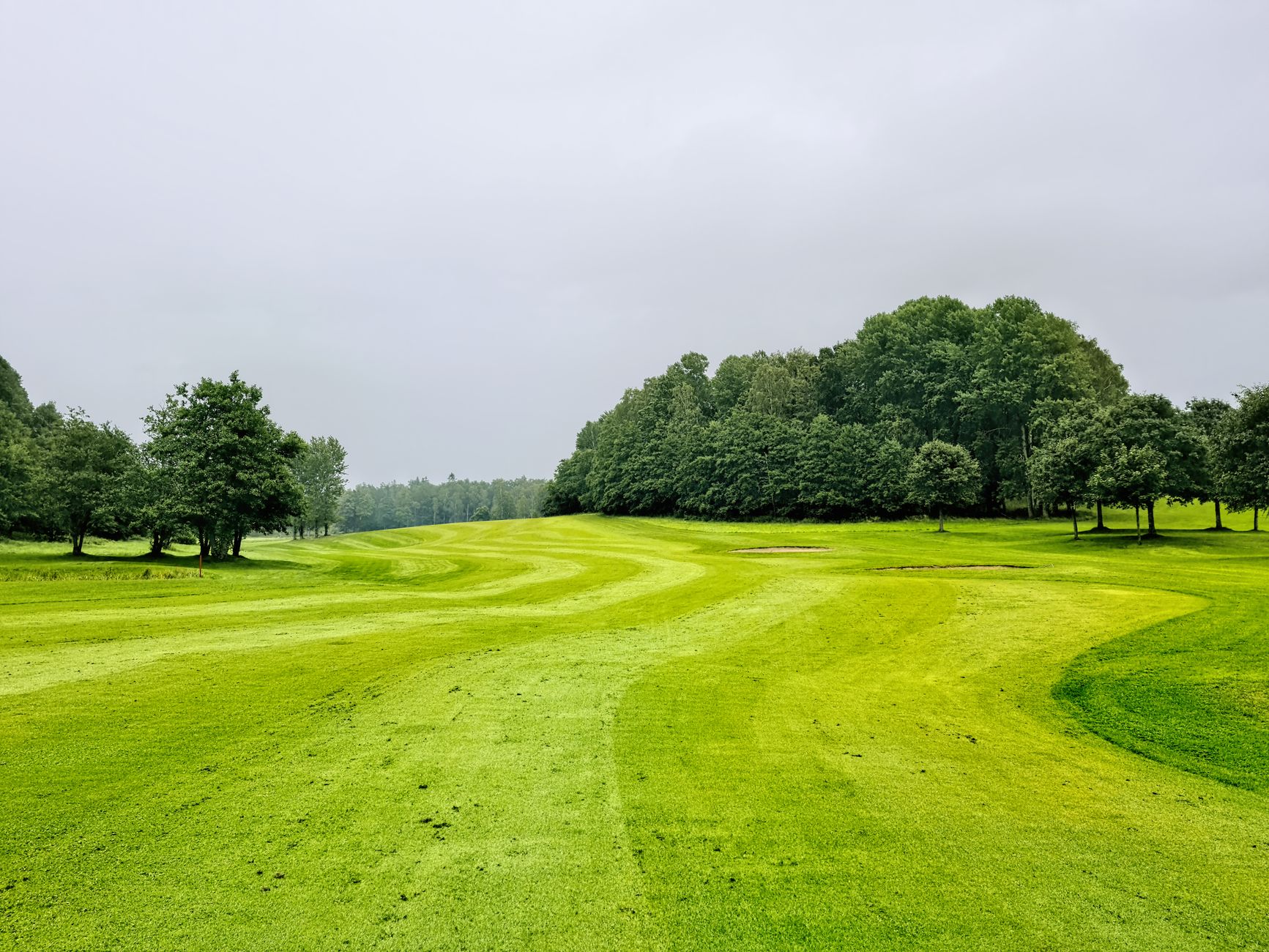
A large multi-course golf resort in northern Germany maintains 45 holes of play, but fairway and rough mowing had become a staffing math problem long before US courses felt the same pinch. Open positions were hard to fill, and ride-on hours stacked up across a wide footprint.
Leadership needed mowing coverage that did not depend on keeping operators on repetitive loops all week. They also wanted to test whether many small autonomous units could outproduce a single large fairway platform on spread-out corridors.
The resort weighed upfront machine counts against blade wear, charging cycles, and the time crews still needed for greens, tees, and detail work members notice.
Fleet scale instead of one big mower
The resort deployed 24 small rotary autonomous mowers on fairways and rough across 27 of its 45 holes, according to USGA reporting, while a separate large-area unit handled the driving range. Maintenance leadership reported more robots on the roster than people at times during peak season.
Units ran on boundary-guided schedules with smartphone control, returning to charge between passes. Crews batch blade replacements across the fleet in a few hours rather than stopping fairway work midweek for one machine.
The operation also field-tested a fully autonomous electric fairway triplex in 2019 and planned additional small units plus a range ball collector as the program matured.
- Map fairway and rough panels separately from hand-work zones
- Deploy 24 small autonomous rotary units across 27 holes
- Keep a dedicated large-area mower on the practice range
- Schedule blade swaps across the fleet in one maintenance block
- Retain people for greens, tees, bunkers, and presentation tasks
Documented savings and daily coverage
USGA reporting cites more than 80 percent lower annual fairway maintenance costs after the rotary fleet rollout, with most savings coming from labor, fuel, parts, and service rather than a single line item.
Each small unit could mow close to 1.25 acres per day when running near peak capacity with charging cycles through the day, which is how the resort covered wide fairway panels without one ride-on on every loop.
Blade replacement across all 24 machines took about two to three hours in the documented operation, a recurring task crews planned around rather than treating as an emergency stop.
Playing conditions stayed surprisingly consistent because turf within each boundary was cut frequently, a side benefit superintendents noted as the fleet ran daily schedules.
What US fairway robotics can learn from fleet scale
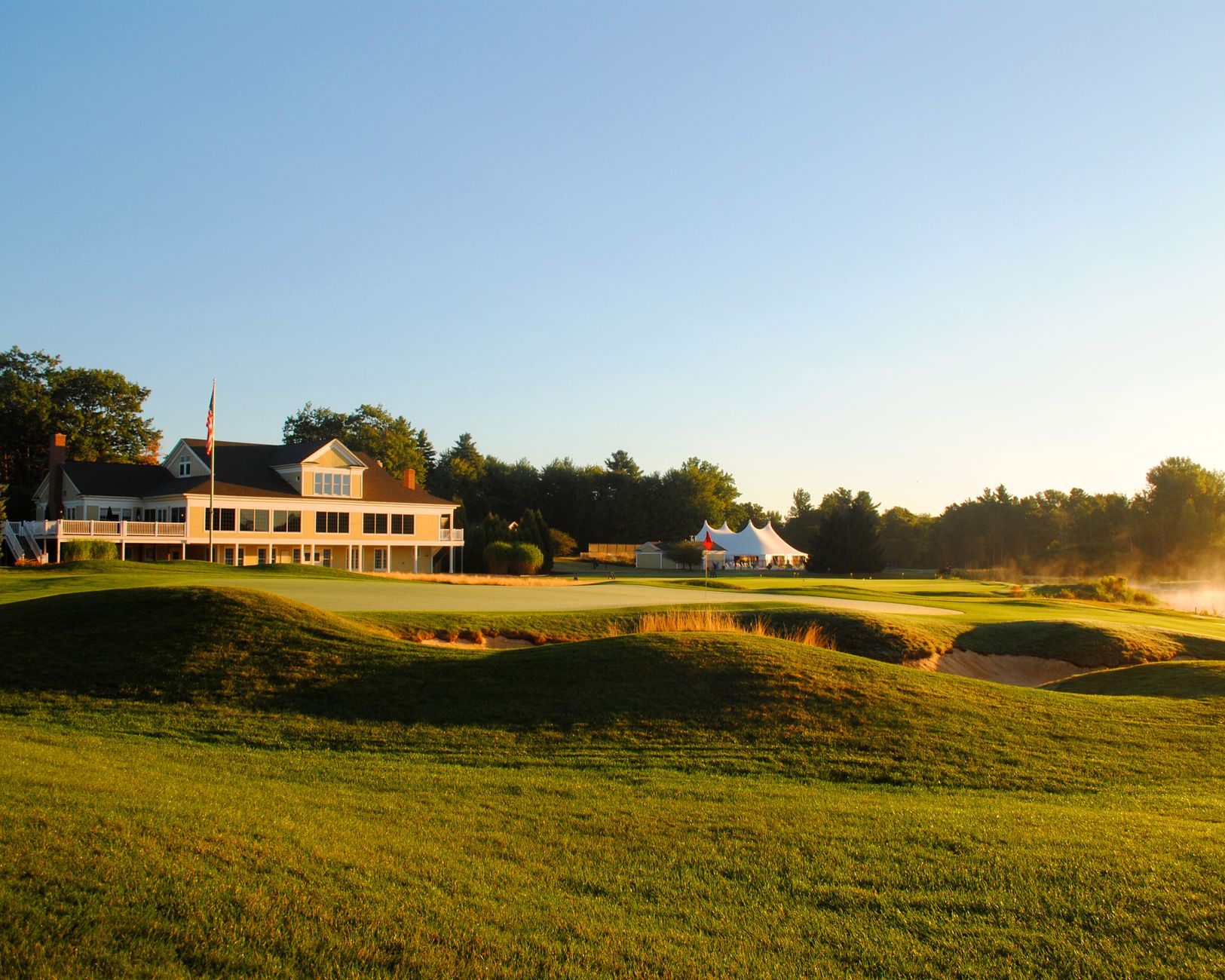
This documented example is not a Service Robot Co. client story. It shows that some layouts solve fairway labor with many small autonomous units while others fit a few large reel platforms. Both paths need honest acreage math and charging plans.
Service Robot Co. stays vendor neutral, maps corridors, trains monitors, and supports buy or lease programs under RoboCare after a free site assessment. US clubs comparing fleet counts to single-platform coverage can use this case as a benchmark without copying every European wiring choice.
The lesson is not headcount cuts for optics. It is redirecting skilled hours toward bunkers, approaches, and cultural work while robots hold mowing cadence on open ground.