
a municipal ice arena running back-to-back ice schedules
Robotic Ice Resurfacing at a Municipal Arena: A Four Machine Case Study
A municipal ice arena on back to back ice schedules moved rink resurfacing to robots. Vendor speed claims, the manager view and what it means for operators.
Deployment at a glance
- Under 90s
- Four machines resurface a rink, per the inventors' claim
- Under 3 min
- Two machines finish a rink, the inventors say
- 4
- Driverless machines coordinated by GPS on one rink
Based on a documented real-world deployment. Figures are from public reporting; the organization is not named.
Ice that cannot wait
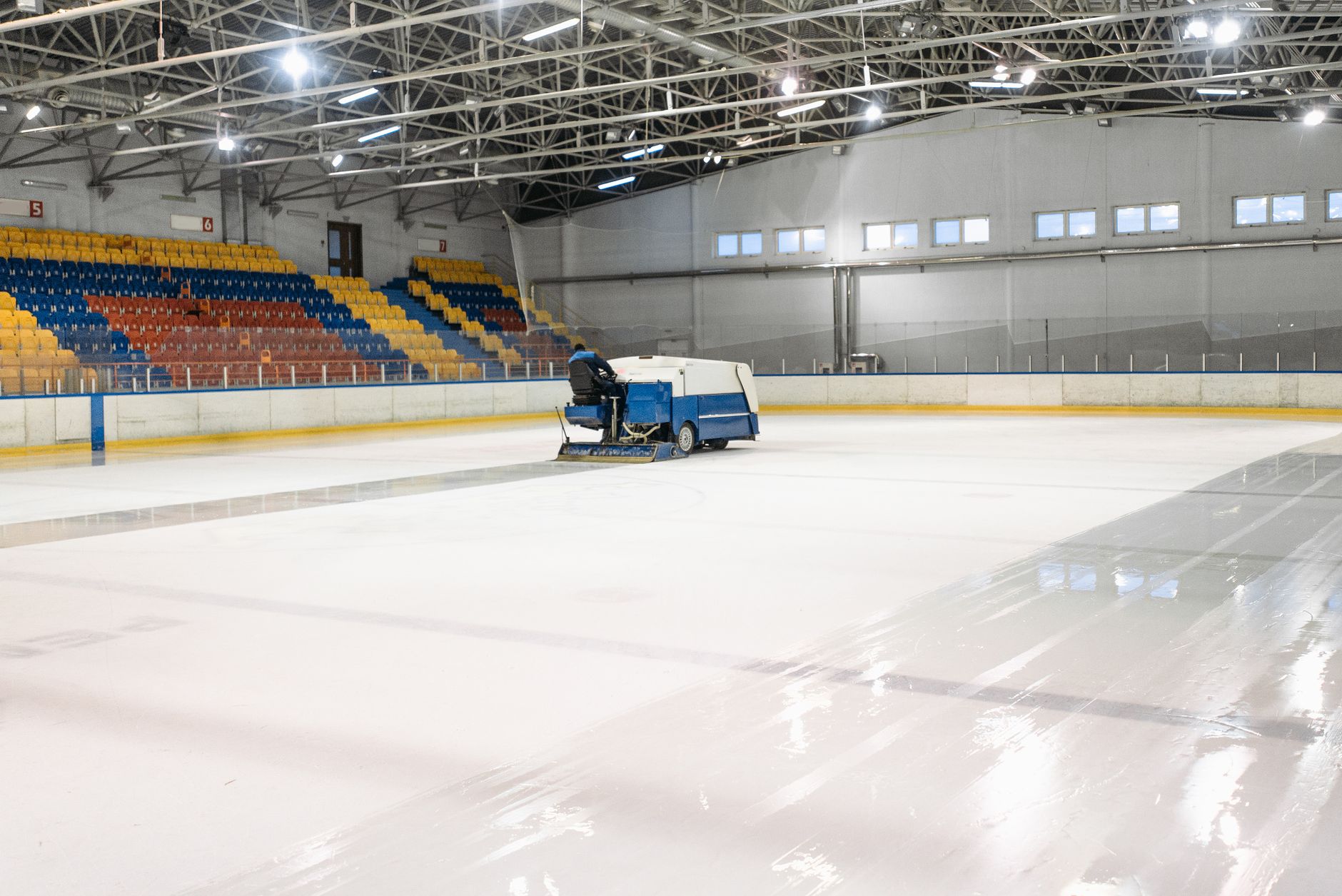
A municipal ice arena running back to back ice schedules has little slack between sessions. Each sheet has to be resurfaced before the next group takes the ice, so the pass sits on the critical path of the whole day.
Rough ice is a poor surface to skate on, so the pass cannot be cut short to hold a timetable. Any time saved has to come from the machine itself.
The machine that came out of this work had earlier forms. The inventors, two brothers raised on a Manitoba farm who moved to Minnesota as teens, first tried a resurfacer suspended on a track, then a unit attached to the boards. Both ideas were dropped, and the boards version was judged too costly.
A coordinated fleet on one sheet of ice
The arena moved resurfacing from a single driven machine to a set of robotic resurfacers that work the same rink together. The inventors describe the units as driverless and electrically powered, with GPS coordination so several machines can run in the same pass.
Collected ice melt is recycled back into the water, as described in earlier coverage of the design. Water handling stays part of the machine cycle rather than a separate chore.
A fleet changes the scheduling as much as the equipment. Crews time the passes so the machines start and finish together, instead of waiting on one unit to work its way around the rink.
- Driverless, electrically powered resurfacers
- GPS coordination so several units run together
- Melt collected and recycled back into the water
- Passes timed to the gap between two sessions
Reported speed and the value of a shorter gap
The inventors say four machines can resurface a rink in less than 90 seconds, and that two machines can finish in under three minutes. These are vendor side figures, and they describe the machines' working time on the ice.
The inventors also say resurfacing time falls to a fraction of the older process. The arena's manager, quoted in a 2020 report, called the machine a game changer and said it looked like something from The Jetsons.
On a back to back schedule, a shorter pass matters because it moves the start of the next session earlier. A minute saved at the end of one session becomes slack at the start of the next, so the measure that counts is the gap between sessions, not the machine's seconds.
Robot leasing for a multi machine facility
Service Robot Co. is a full service, manufacturer neutral commercial robot integrator for US businesses. The first question is the one this arena faced: which machine fits the floor, the schedule and the service needs, chosen across manufacturers rather than from a single maker's line.
Customers get their robot through commercial robot leasing, with financing on a three year lease and one fixed lease payment quoted after a site assessment. Service Robot Co. then handles robot deployment and integration, trains the people who work with the machines, and services every unit through a nationwide US engineer network, so one partner covers the full lifecycle.
A facility weighing a fleet follows the same sequence: assessment, lease, go live support and ongoing service under one vendor. The study's robot is an ice resurfacer, but the path from selection to service is the part that carries over to other commercial robot categories.
Frequently asked questions
Want a robot working for you?
Tell us the job and the site. We will recommend the robot, quote the lease, and keep it serviced.