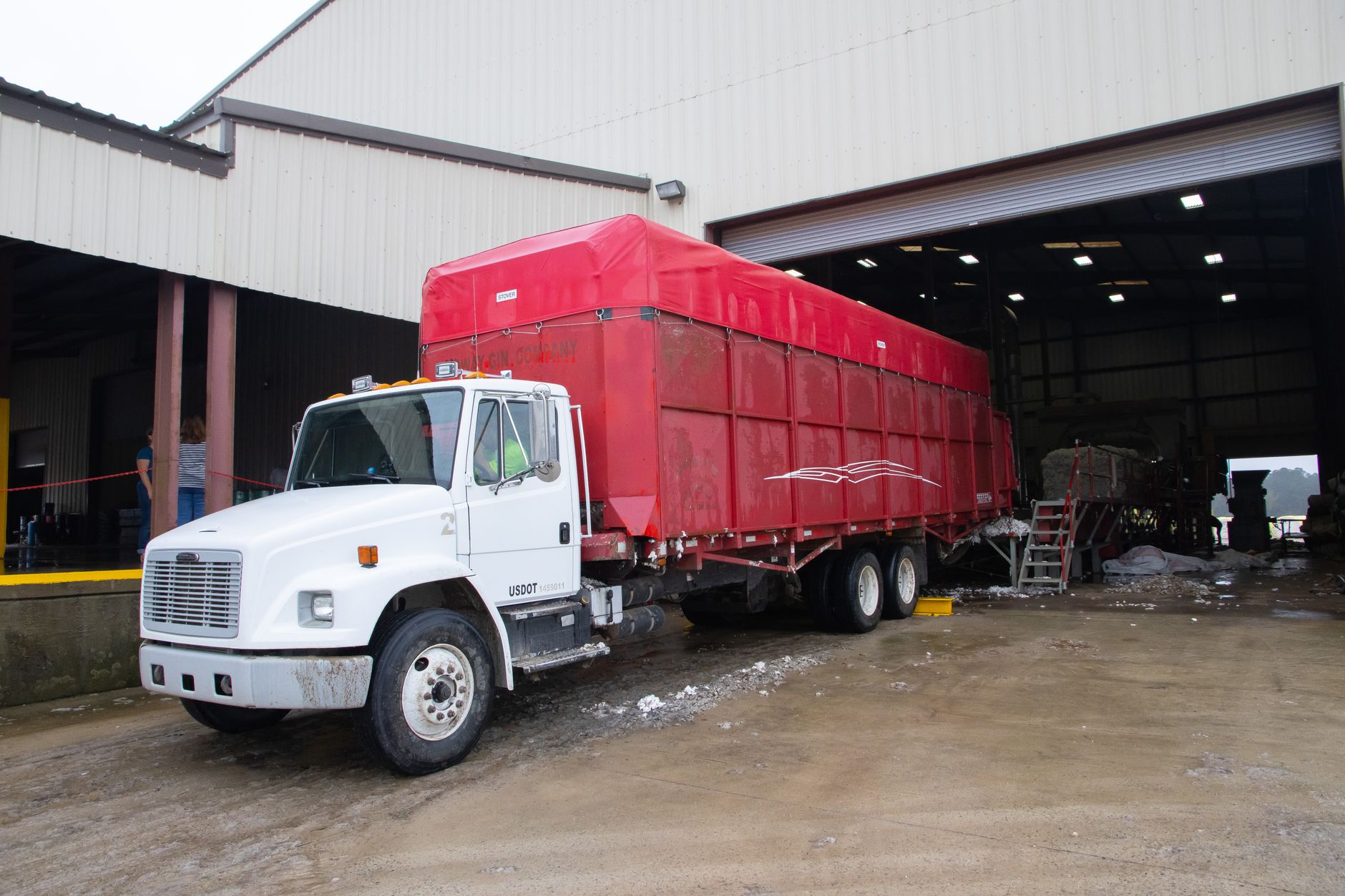
a third-party fulfillment warehouse serving a major national e-commerce retailer in China
How a Retail 3PL Raised Units Picked per Hour 133% With AMRs
A documented 3PL warehouse case study: 12 piece-picking AMRs lifted units picked per hour 133% in week one and cut operational costs 30% without stopping orders.
- 133%
- UPH gain week one
- 30%
- lower operating costs
- 12
- AMRs deployed
- 2 wks
- live deployment
Based on a documented real-world deployment. Figures are from public reporting; the organization is not named.
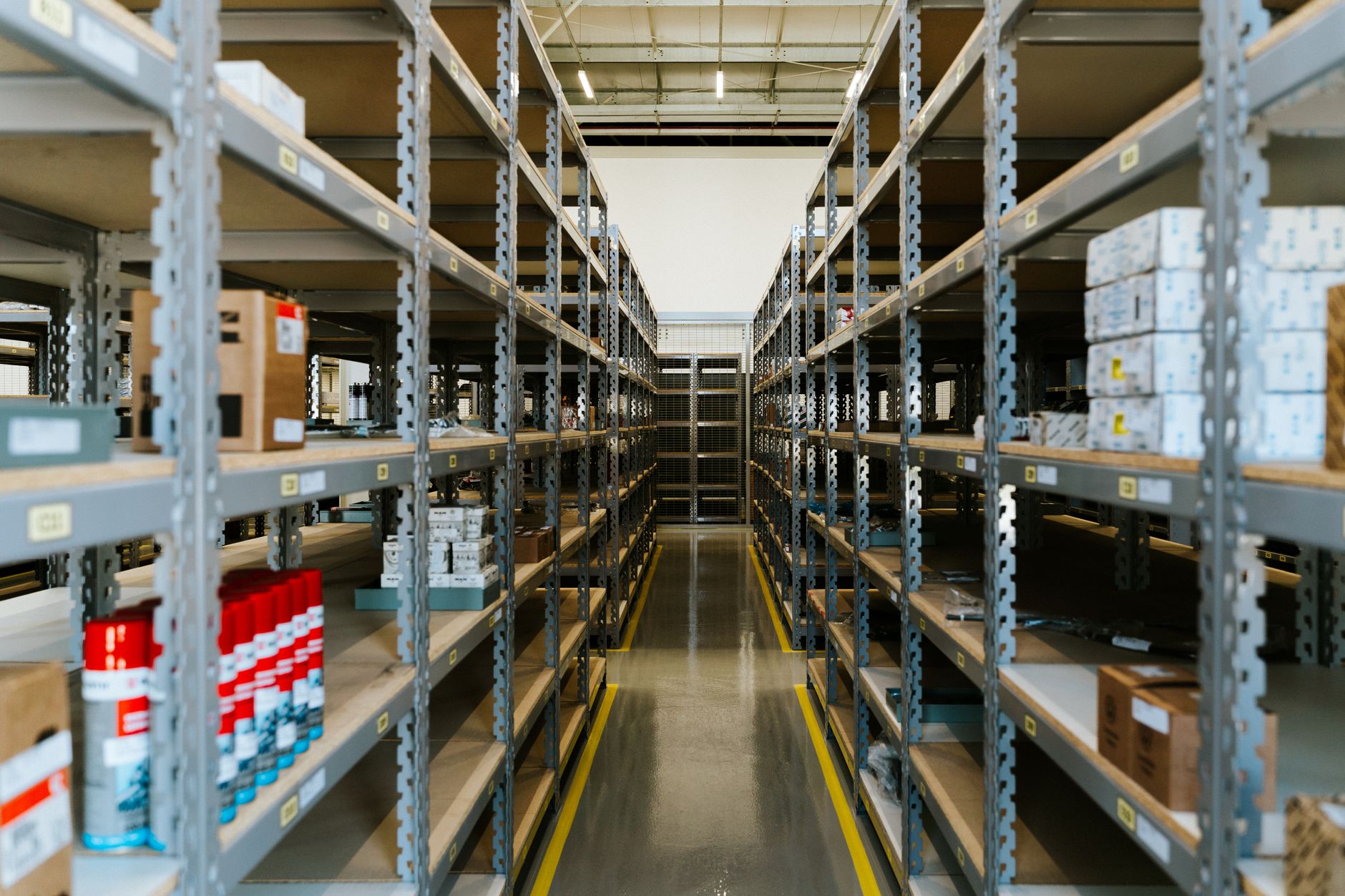
Peak season exposed picker limits
A third-party fulfillment warehouse serving a major national e-commerce retailer in China had to keep pace with same-day and next-day promises across a huge customer base. Manual piece picking tied associates to long walks, repeat scans, and constant retraining as turnover climbed.
Seasonal surges forced extra hiring, onboarding, and floor congestion just when accuracy mattered most. B2B store replenishment and B2C e-commerce orders shared the same labor pool, so a slow afternoon could still leave night shift catching up.
- High picker turnover and training load
- Seasonal volume spikes with short hiring windows
- Mixed B2B replenishment and B2C e-commerce flows
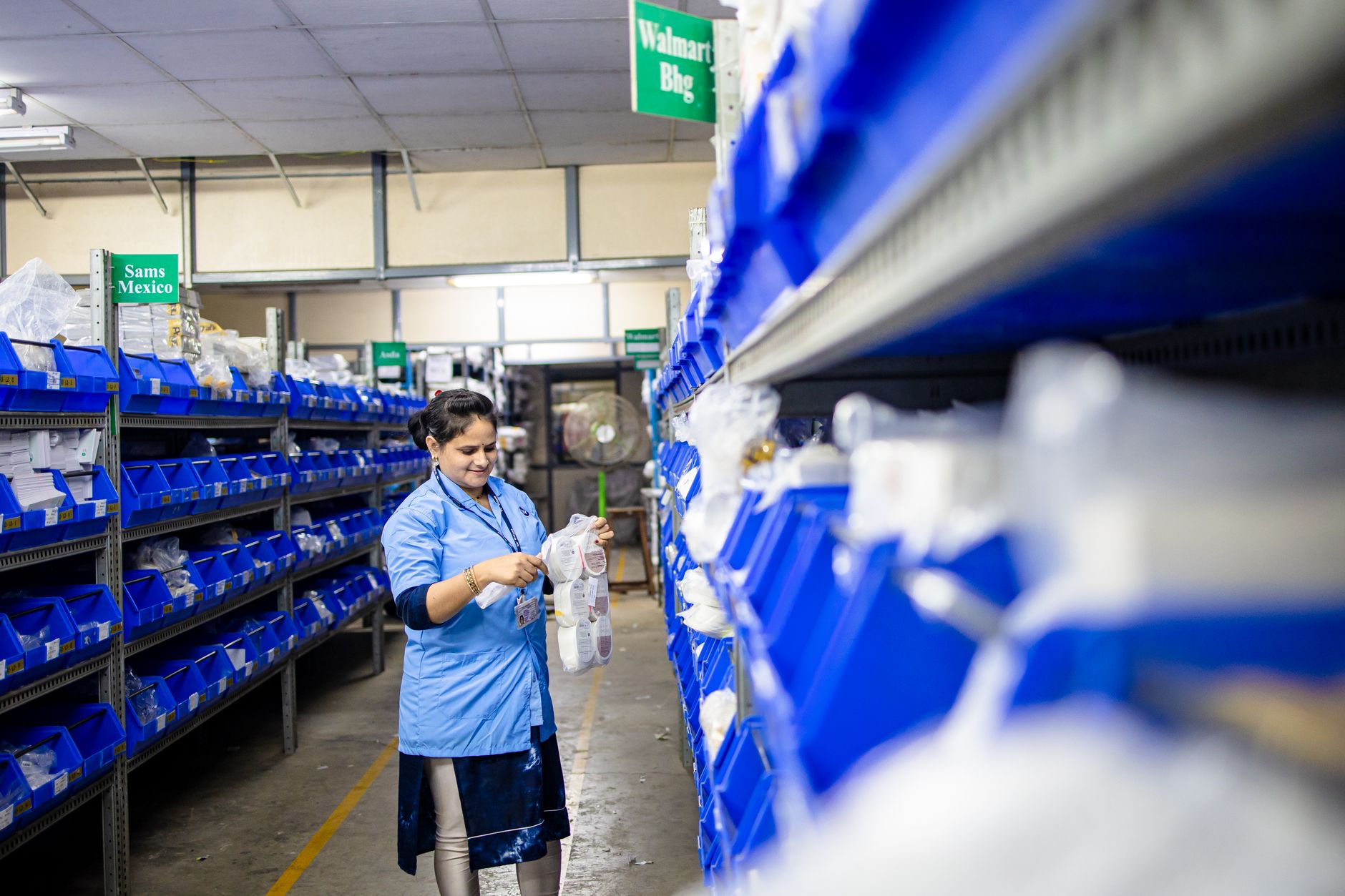
Fleet tied to existing scan habits
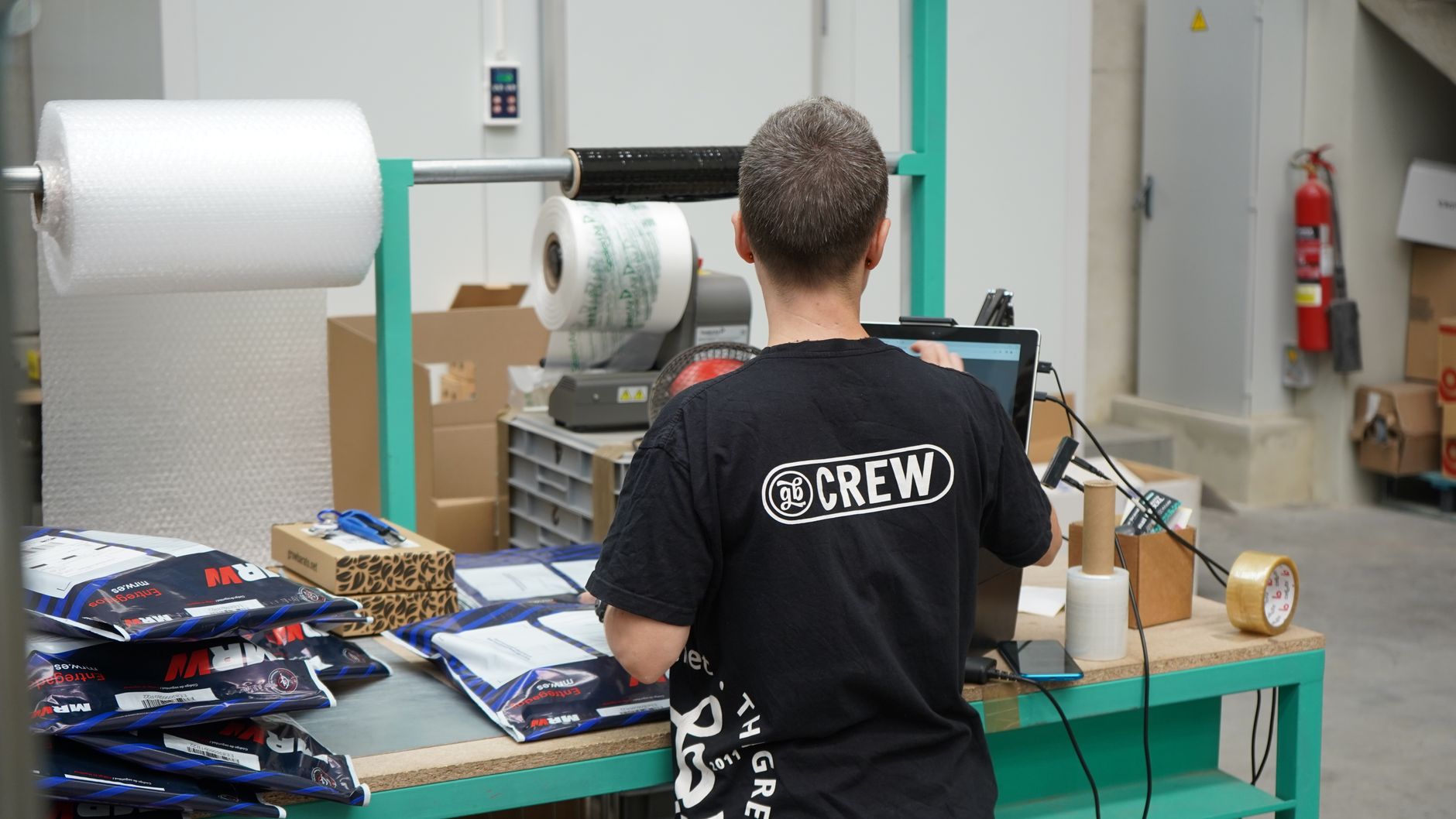
The operator brought in a dozen autonomous mobile robots integrated with the warehouse control system through the supplier fleet manager. Pickers kept handheld devices to scan, check, and label goods while robots handled travel between pick faces and pack stations.
Deployment finished in about two weeks with no operational downtime called out in the public write-up. A one-week scale-up path was also documented so the site could add capacity when seasonal demand jumped.
- Map AMR routes to current pick zones and pack paths
- Connect fleet software to the warehouse control system
- Train pickers on scan-first workflows with robot meetups
- Stage a one-week scale-up plan before peak season
Measured gains in the first week
Units picked per hour rose 133% within the first seven days after go-live, according to the published case summary. That is a before-and-after on the core labor metric leadership already tracks.
Operational costs fell 30% while the site continued fulfilling both B2B store replenishment and B2C e-commerce orders. The same story notes rapid deployment and a scale-up window measured in weeks, not quarters.
What US 3PLs can take from the pattern
The lesson is not a single robot model. It is how tightly travel automation couples to scan discipline, WCS integration, and a deployment plan that respects peak calendars.
Service Robot Co. stays OEM-neutral: we shortlist piece-picking AMRs that fit your slotting and WMS or WCS stack, finance or lease the fleet, integrate it on site, train floor leads, and keep units running through RoboCare. This documented deployment is an industry example we analyze, not a claimed Service Robot Co. customer.