
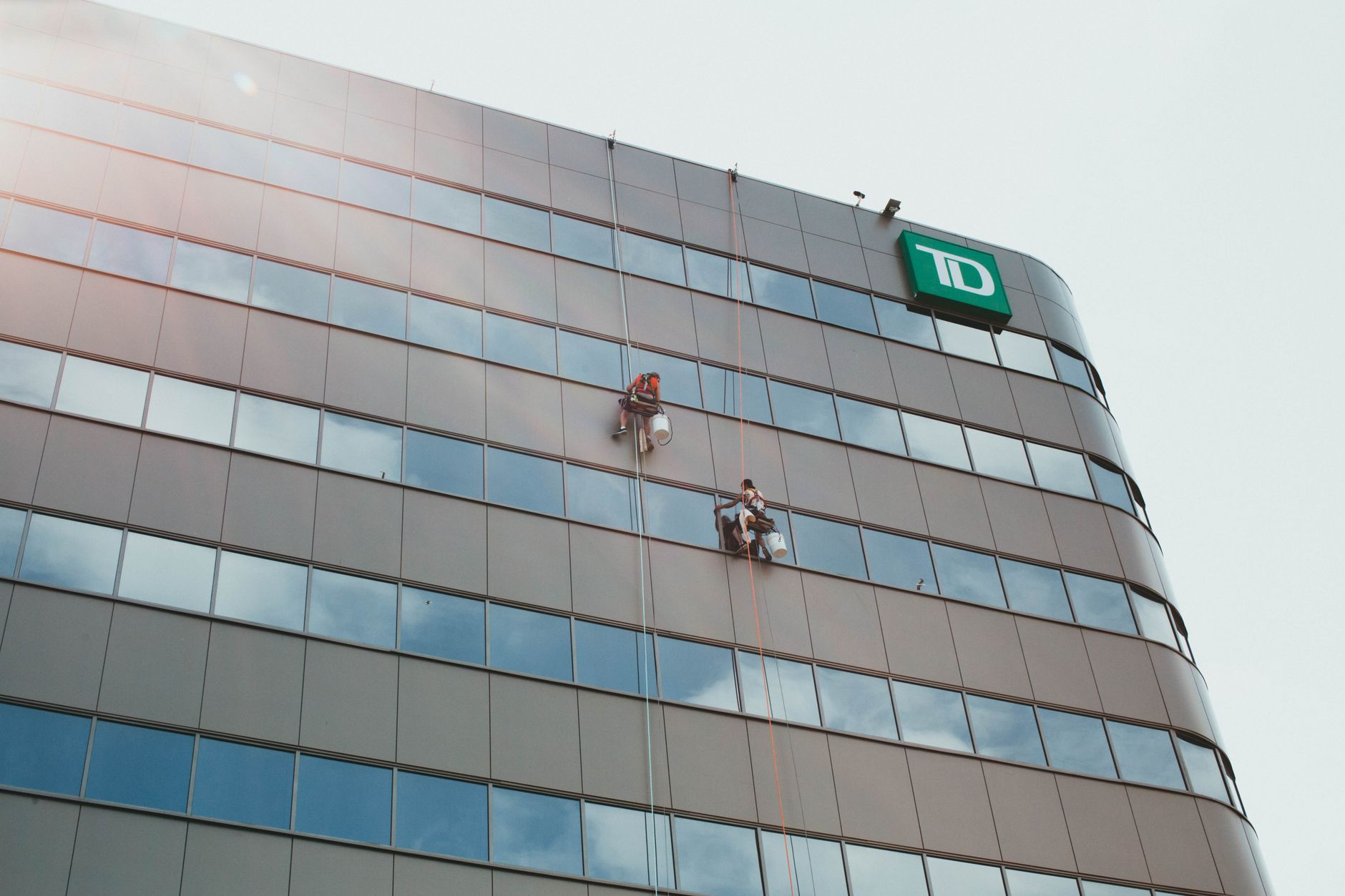
a New York City high-rise with a glass facade
Window Cleaning Robot on a New York City High Rise: A Case Study
A New York City high rise with a glass facade adds a window cleaning robot. What the supplier reports, how the work is supervised, and what it means.
Deployment at a glance
- 3x
- Faster than traditional window cleaning, supplier reports
- First
- Full time autonomous facade cleaning, supplier says
- Rooftop
- Human operator supervises the system from the roof
- Arm
- Robot arm is part of the cleaning system
Based on a documented real-world deployment. Figures are from public reporting; the organization is not named.

Facade Work That Depends on Scarce Hands
A glass tower in New York City asks a great deal of its exterior. Every window needs regular cleaning, and the work happens high above the street, where weather, access and safety shape every shift.
Coverage of the deployment tied high rise window cleaning to a growing shortage of window cleaners. For a building manager, that shortage shows up as thin crews, scheduling gaps and a dependence on skilled people who are hard to hire.
- Glass facades need regular cleaning at height
- Wind and weather limit when crews can work
- Skilled window cleaners are hard to find
A Supervised Robot Introduced in Stages
The system pairs a window cleaning robot with a robot arm that works the glass. Before full time use, the supplier beta tested the system on several buildings in the city and in one city abroad.
The supplier described the New York installation as the first full time deployment of an autonomous window cleaning robot. A human operator supervises from the rooftop, and the supplier framed that role as a new career opportunity for people in the trade.
- Beta testing on several city buildings and in a city abroad
- Full time deployment on a New York City high rise facade
- Rooftop human operator supervises the robot
What the Supplier Reports and How the Work Changed
The supplier says the system can clean windows about three times faster than traditional window cleaning. That is the supplier's figure, and this study presents it as such.
The day to day change is simple to describe. A machine handles the glass, and a person on the roof watches over it, so the labor question moves from doing the cleaning to supervising it.
Where Robot Lease Options Fit

This study describes a deployment we analyze. Service Robot Co. did not run this work. What we do is act as a vendor neutral robot integrator for US businesses, selecting robots across manufacturers rather than backing one maker.
We lease, deploy, set up, train and service each unit through a nationwide US engineer network. Our lease runs three years and carries one fixed robot lease quote, set after a site assessment. That gives a building manager one partner for the full lifecycle, from selection to service.
If a window cleaning robot suits a given building, that answer comes from a site assessment, the same first step we take for any robot. This case study shows what happened on one New York City high rise, not what your facade requires.
Frequently asked questions
Want a robot working for you?
Tell us the job and the site. We will recommend the robot, quote the lease, and keep it serviced.