
a university in the Northeast US
A Northeast US University Cleaning Robot Frees an Estimated 7 to 10 Hours a Week
A Northeast US university's cleaning robot reports helped a facilities manager estimate 7 to 10 labor hours saved a week. Here is how the time was reused.
Deployment at a glance
- 7 to 10
- Labor hours saved weekly, facilities manager estimate
- 3 years
- Lease term with one fixed payment after site assessment
- 2
- Uses of reclaimed time, other tasks or more cleaning
Based on a documented real-world deployment. Figures are from public reporting; the organization is not named.

Floor work that never fits the schedule
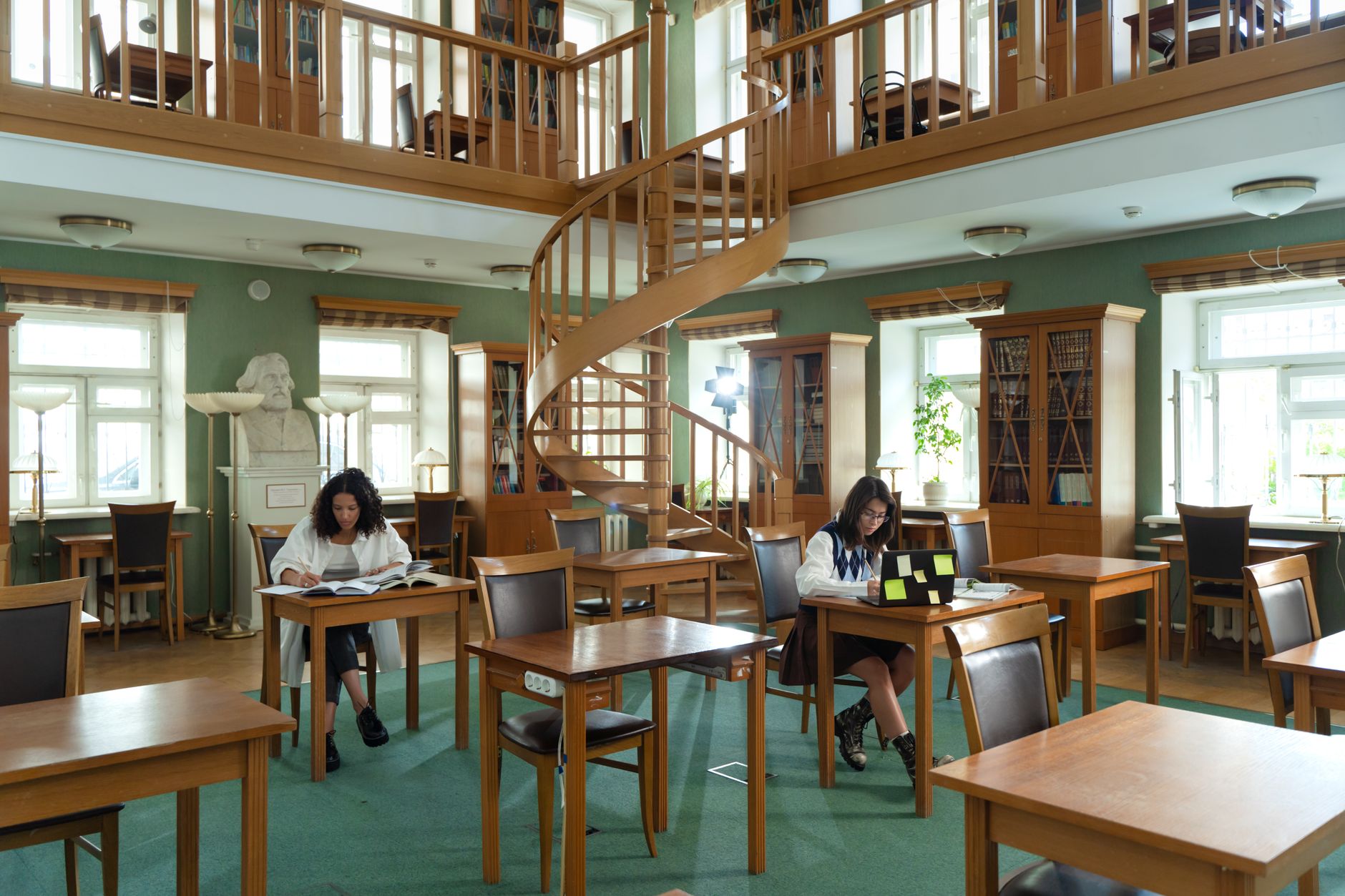
A university in the Northeast US relied on its facilities team to keep floors clean across busy shared spaces. Floors in those spaces need regular attention, and that work competes with every other task the team is asked to handle.
Facilities managers in this position face a familiar tradeoff. Cleaning on a set schedule consumes crew hours, while cleaning less often lets floors look worn between passes. Without clear records, it is also hard to tell how much time the routine work actually takes.
- Routine floor work drawing on crew hours every week
- Limited visibility into how long recurring cleaning took
- Pressure to keep high-traffic floors cleaner between scheduled passes
Activity reports made the robot's hours visible
The team deployed a cleaning robot and worked from its activity reports, which recorded what the machine covered and when. Those records gave the facilities manager a clearer view of labor time that had been hard to pin down.
The reports were the basis for the manager's estimate of roughly 7 to 10 labor hours saved a week. The reclaimed hours were redirected to other tasks or spent on more frequent cleaning.
- Run the cleaning robot on its regular routes
- Review the activity reports for coverage and run time
- Estimate the labor hours the robot took off the crew's week
- Redirect the reclaimed hours to other tasks or more frequent cleaning
An estimated 7 to 10 labor hours back each week
The headline figure comes from a facilities manager and is an estimate, not an audited measurement. It describes roughly 7 to 10 labor hours saved a week, read from the robot's activity reports.
Two outcomes followed from that time. Some hours moved to other tasks, and some went toward cleaning the same floors more often. Both uses move hours away from routine upkeep, which is the practical gain behind the estimate.
What a leased cleaning robot program involves
This study describes another organization's deployment, not work Service Robot Co. performed. It shows the kind of result a facility can plan toward when reporting and scheduling are clear.
Service Robot Co. is a full service, OEM neutral commercial robot integrator for US businesses. We select the right robots across manufacturers, then arrange commercial cleaning robot leasing, deploy, integrate, train and service each unit through a nationwide US engineer network. The lease runs three years with one fixed payment, quoted after a site assessment.
For a facility weighing robot lease options, that structure means one partner and one number from the first site visit through daily service. Teams usually begin with a site assessment, which sets the floor plan, the schedule and the fixed robot lease payment that follows.
Frequently asked questions
Want a robot working for you?
Tell us the job and the site. We will recommend the robot, quote the lease, and keep it serviced.