
a dental practice in Paris
A Paris Dental Practice Tests a Transport Robot in a Six Day Pilot
A six day pilot run by the vendor at a Paris dental practice put a transport robot alongside eight assistants and two dentists. See what it reported.
Deployment at a glance
- 6 days
- Length of the vendor run proof of concept
- 8
- Dental assistants who took part
- 2
- Dentists working alongside the assistants
Based on a documented real-world deployment. Figures are from public reporting; the organization is not named.
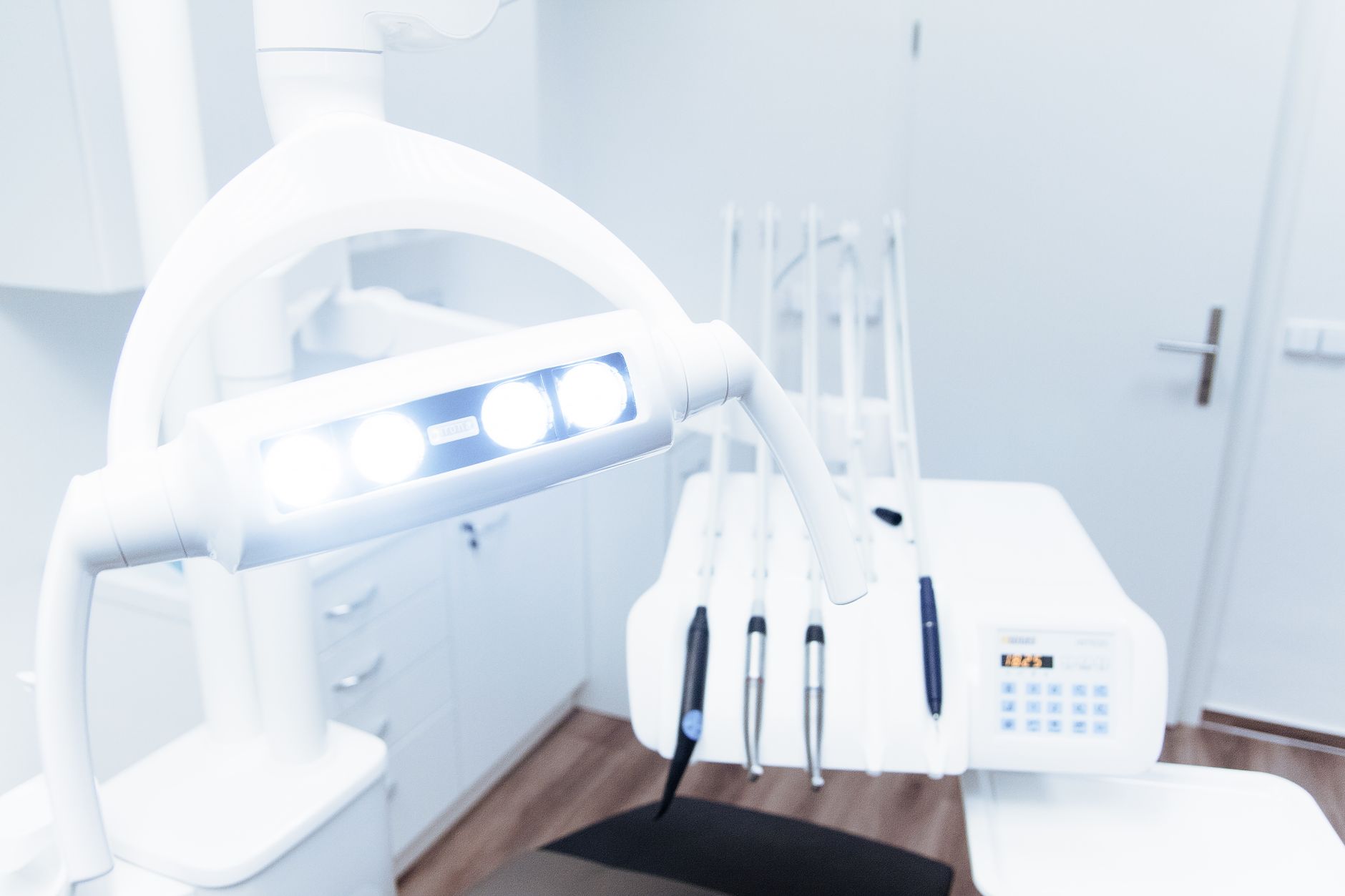
Long walks and heavy loads between the chairs and the store room
Dental work runs on a steady flow of materials. Assistants move trays, supplies and instruments between treatment rooms, storage and the front of the practice, often several times in a single session.
Each trip looks small on its own. Over a working day, though, the carrying adds up, and it falls on the same people who keep pace with the dentist at the chair.
The practice wanted to know whether a transport robot could take over some of that movement, and whether staff would feel the difference at the end of a shift.
- Materials moved between treatment rooms and storage
- Repeated trips by the same assistants through a working day
- Physical strain on the team that carries the load
A six day proof of concept with the whole chairside team
Rather than commit to a full rollout, the practice ran a six day proof of concept. Eight dental assistants and two dentists took part, so the trial reflected the people who would work alongside the robot every day.
The transport robot carried materials around the practice while the team kept working. A trial like this shows how a robot fits real movement before anyone decides on a wider change.
The pilot was run by the robot's vendor. It was short and involved a small group, so its findings are best read as an early signal rather than a settled benchmark.
- Start with a short, bounded trial
- Include both assistants and dentists
- Let the robot carry materials during normal work
- Read the results as an early signal
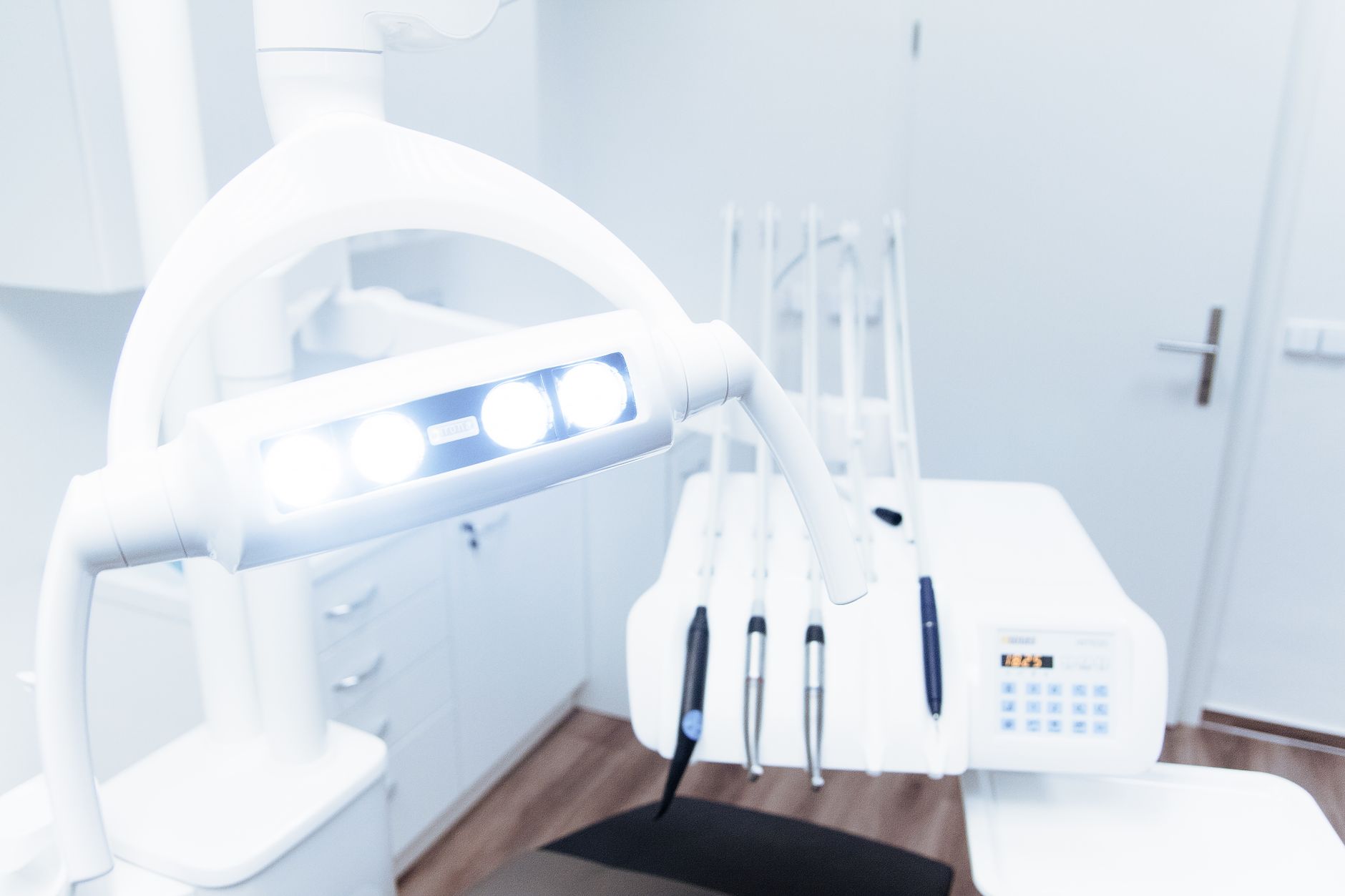
What the vendor reported from the short pilot
The vendor reported that the robot carried materials for the assistants and reduced their physical strain. These are the supplier's claims about the pilot, and they describe the benefits the trial was built to surface.
The trial covered six days, eight assistants and two dentists. Because the group was small and the window was short, the findings show what a first trial can reveal, not how a practice would perform over a full year.
For a clinic owner, the useful lesson is the shape of the test: a bounded run, the whole chairside team involved, and a clear question about staff time and strain before any wider commitment.
Where a lease fits a practice weighing a small trial
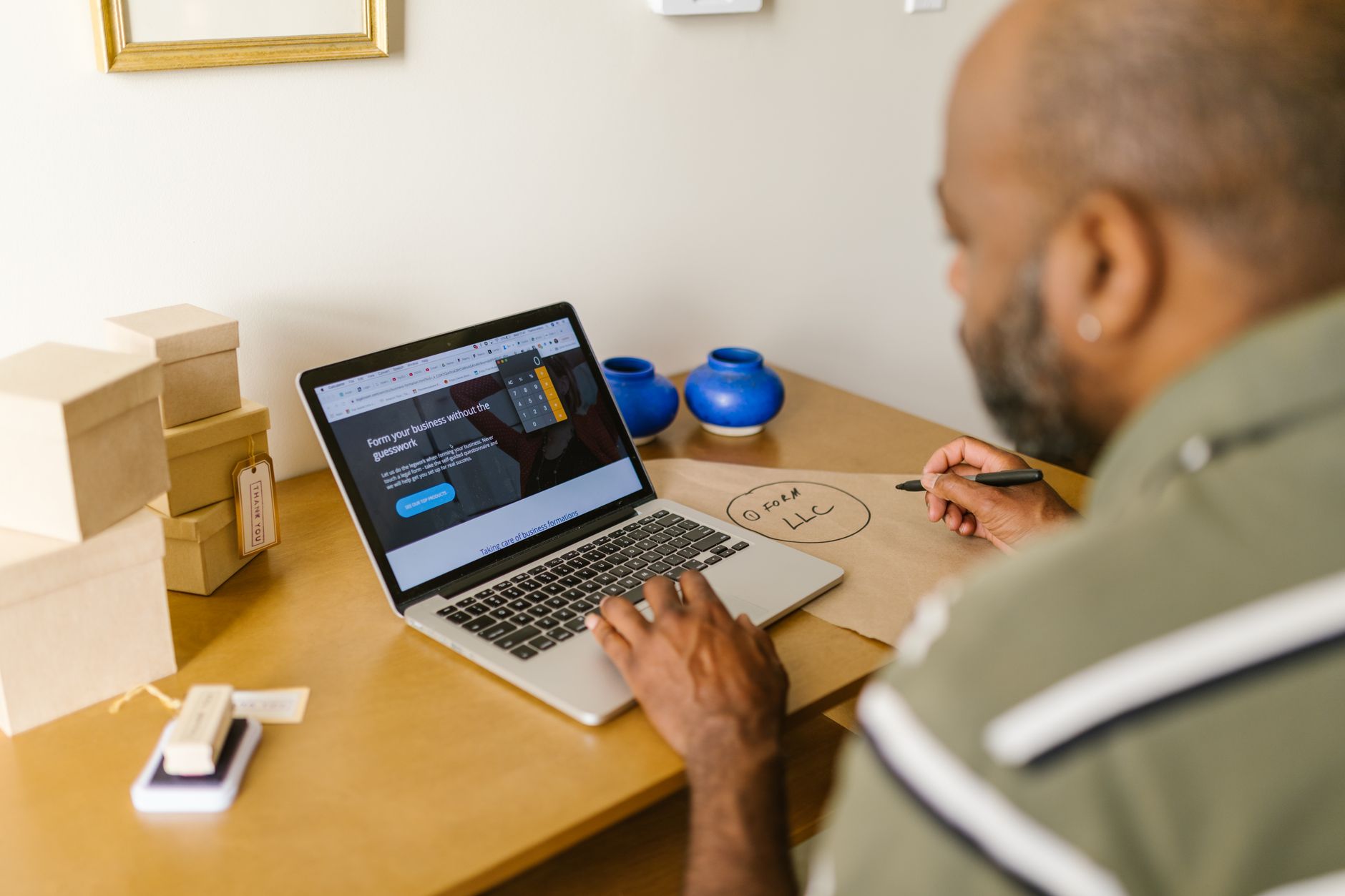
Service Robot Co. is a full service, OEM neutral commercial robot integrator for US businesses. We select the right robots across manufacturers, then finance, deploy, integrate, train and service every unit through a nationwide US engineer network, so one partner covers the whole lifecycle.
Our robots are offered on a three year lease, with one fixed lease quote after a site assessment. That structure suits an owner who wants to test a transport robot against real staff time before committing to a longer setup.
A US dental or clinic owner can take the same approach: start with one robot, watch how assistants use it, and let the site and the team decide the next step. This study describes a clinic in Paris, not a deployment we ran.
Frequently asked questions
Want a robot working for you?
Tell us the job and the site. We will recommend the robot, quote the lease, and keep it serviced.