a large pharmaceutical and medical supply distributor operating high-volume distribution centers
How a Pharmaceutical Distributor Cut Picker Travel 83% With AMRs
Pharmaceutical distribution case study: AMRs cut picker travel 83%, lifted picking efficiency up to 24%, and cut onboarding time up to 90% with wearable tasking.
- 83%
- Less travel
- 24%
- Pick efficiency
- 90%
- Faster training
- AMRs
- Line support
Based on a documented real-world deployment. Figures are from public reporting; the organization is not named.
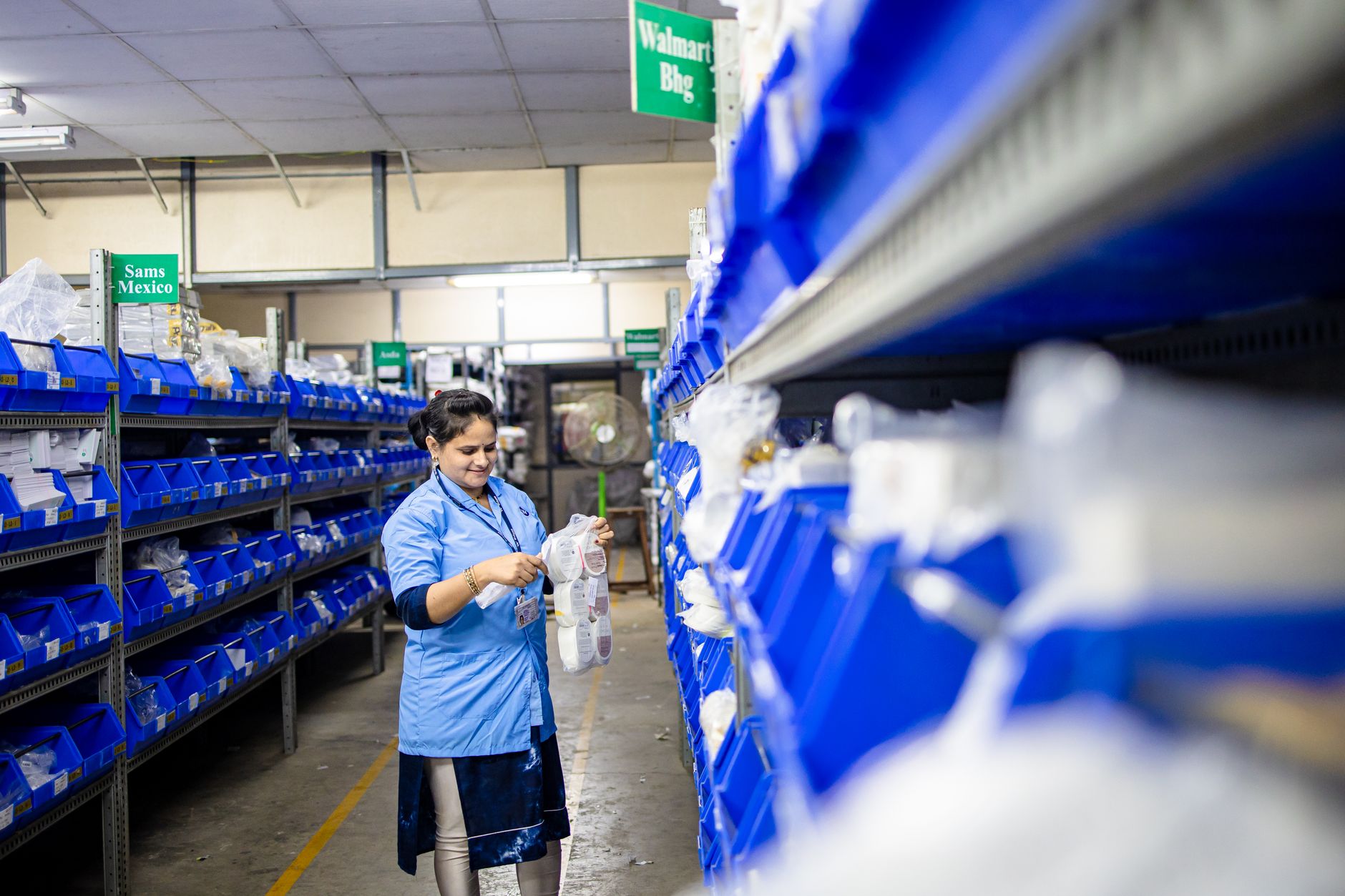
Walking broke regulated pick cadence
Distribution centers moving pharmaceuticals and medical supplies cannot afford pickers spending half a shift walking to replenish lines, haul recycling, or chase totes. Associates already used wearables for directed work, yet travel between tasks still capped throughput during peak replenishment.
Leadership needed automation that respected existing warehouse systems and training programs while cutting miles on the floor. They also wanted faster onboarding when seasonal volume or turnover spiked.
- High compliance pressure on pick accuracy and traceability
- Wearable-directed tasks with too much walking between them
- Seasonal volume swings on a tight labor market
- Need to add capacity without conveyor construction
AMRs paired with wearable-directed tasks
The operation coupled autonomous mobile robots with a fulfillment execution layer that talks to wearables and back-end systems. Robots handled repetitive moves such as replenishing pick faces, collecting recycling, and shuttling totes while humans stayed on value picks.
Rollout emphasized quick integration so pilots could start on a single zone without freezing the building. Supervisors watched task queues on dashboards to keep humans and robots on the next best assignment.
- Connected wearables to robot tasking through existing WMS links
- Piloted AMRs on replenishment and tote moves first
- Trained pickers on handoffs at pick faces and docks
- Expanded zones after travel metrics improved

Travel fell while picks accelerated
The published program reports an eighty-three percent reduction in picker travel time and walking when AMRs took over repetitive moves between stations. Picking efficiency rose up to twenty-four percent because associates spent more time on picks instead of transit.
Onboarding and training time fell up to ninety percent as wearable-guided workflows stayed familiar while robots removed the long walks new hires dreaded. Floor teams could scale headcount faster before flu-season or contract spikes without losing accuracy discipline.
Leadership framed the gain as reclaiming labor hours inside regulated distribution rather than chasing a one-time project saving.
What healthcare distributors can borrow
Medical and pharmaceutical DCs face the same travel tax on wearables-only programs. AMRs extend those investments by moving the miles robots handle best.
Service Robot Co. compares AMR and wearable integration options across manufacturers, then finances, deploys, trains, and services fleets nationwide. Buy or lease paths let travel savings fund the rollout.
A free site assessment maps replenishment loops, tote paths, and compliance checkpoints before you size the fleet. RoboCare keeps software, batteries, and repairs on one contract after go-live.