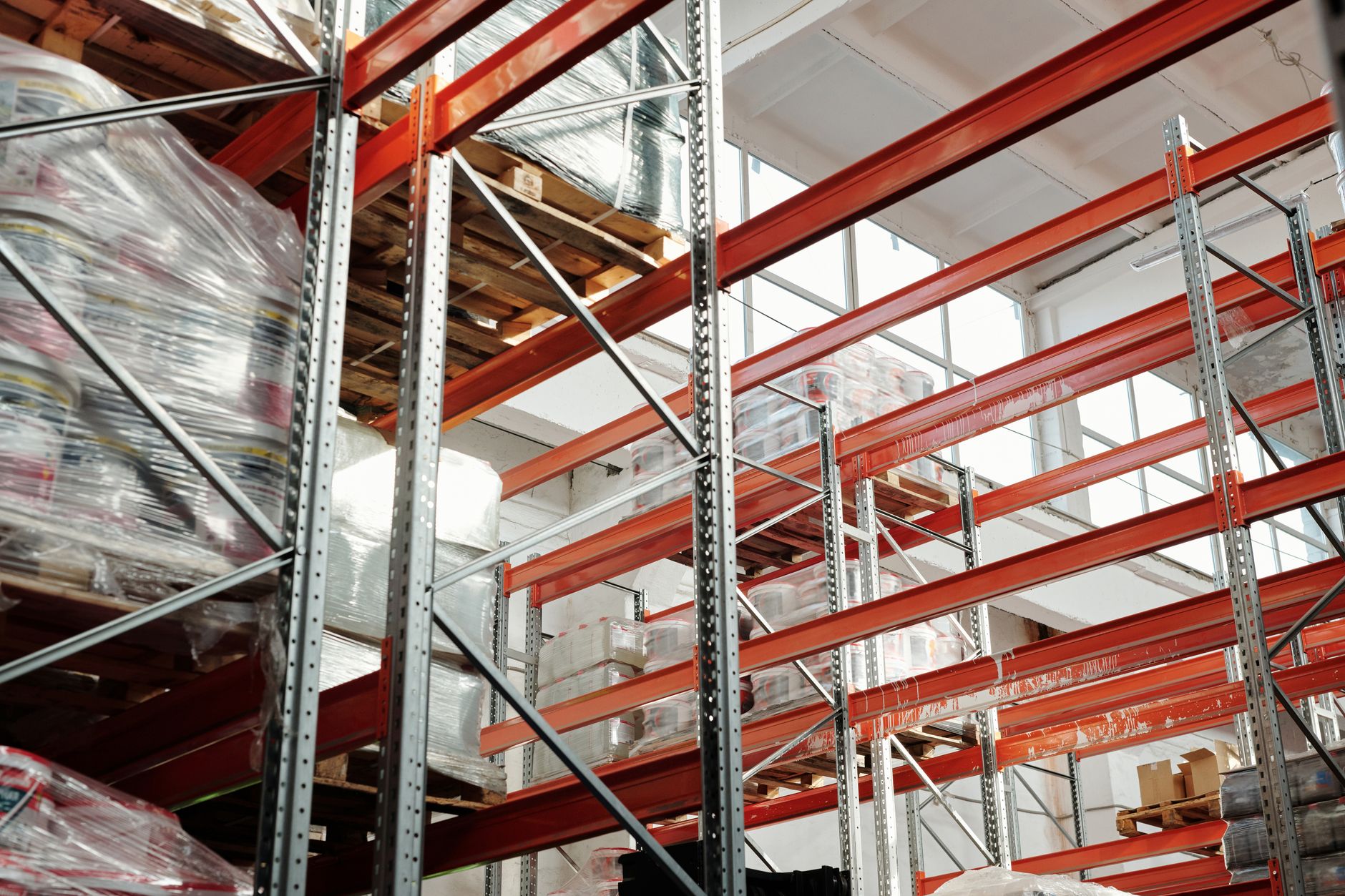
a pharmaceutical packaging plant in eastern China
How a Pharmaceutical Plant Saved 35 Weekly Hours With Pallet AMRs
Pharma packaging plant case: five pallet AMRs, 35+ weekly man-hours saved on depot-to-rack moves, and staff shifted to planning on busy days.
- 35+ hr
- Weekly saved
- 5 AMRs
- Pallet fleet
- 8+ hr
- Peak forklift
- High bay
- Rack feed
Based on a documented real-world deployment. Figures are from public reporting; the organization is not named.

Forklift hours on packaging moves
A pharmaceutical packaging plant in eastern China moved palletized packaging materials from the truck depot into high-bay rack storage on manned forklifts. On a typical day that loop consumed more than five hours, and on peak production days it stretched past eight hours.
Experienced warehouse staff were stuck on repetitive horizontal transport while pallet prioritization, handling exceptions, and rack placement still needed human judgment at the aisle ends.
- More than five daily forklift hours on routine material moves
- Eight-plus hours on the busiest production days
- Skilled staff tied to depot-to-aisle shuttles
Five pallet AMRs feeding aisle ends
Leadership deployed five autonomous pallet mobile robots to move loads from receiving racks to the ends of high-bay aisles, where reach trucks lift pallets into storage positions.
Receiving staff place pallets on dedicated transfer racks, the AMRs complete the horizontal leg, and forklift operators focus on vertical placement and complex sorting decisions.
- Install transfer racks at receiving for AMR pickup
- Program routes from depot to aisle-end handoff points
- Keep reach-truck operators on rack placement and prioritization
- Expand fleet only after weekly hour savings stabilize
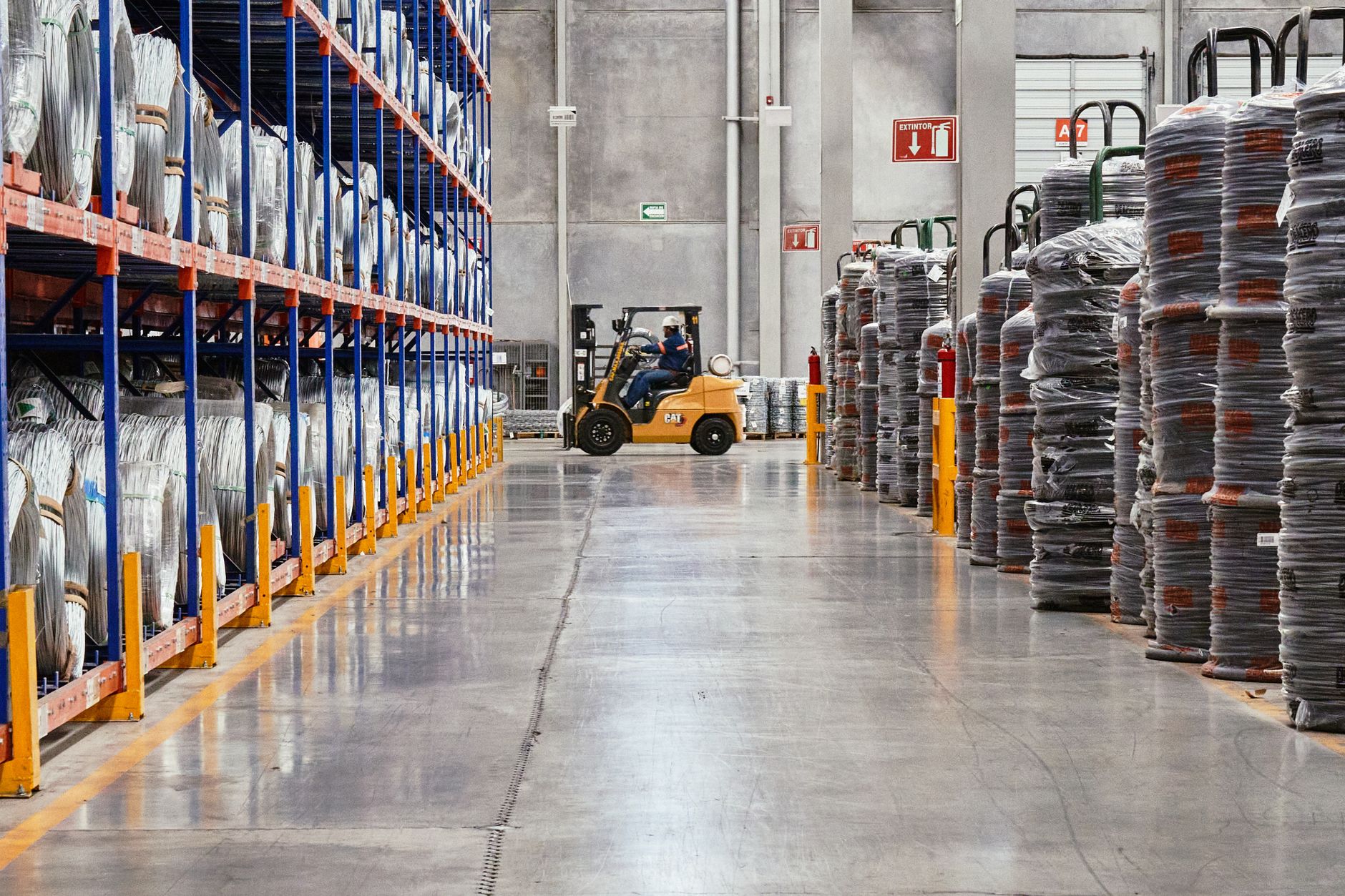
Documented weekly time returned
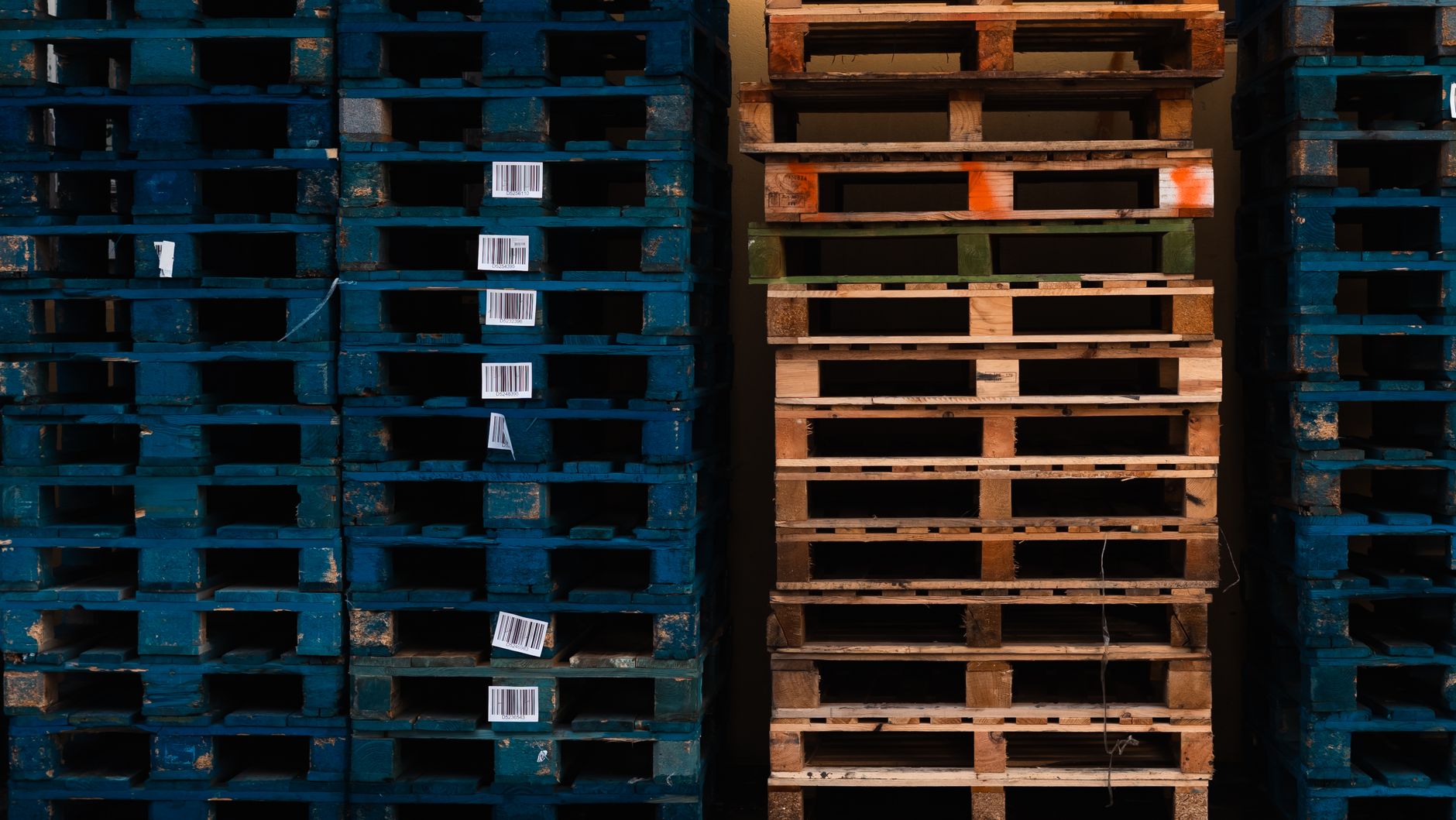
After deployment, published reporting cites at least thirty-five man-hours saved each week on packaging material transport. Workers redirected that time toward planning, pallet assessment, and prioritization tasks that require experience.
The plant reports the five-robot fleet meets daily warehouse transport needs and strong acceptance from the workforce once horizontal moves left the forklift queue.
What this means for your warehouse
This anonymized example shows how pharma and regulated plants can pull repetitive pallet miles off forklifts without touching rack placement skill. Service Robot Co. did not run this site. We help US operators compare OEM-neutral pallet AMRs, set up autonomous mobile robot rental or robot leasing for business programs with maintenance included, map handoff points, train receiving leads, and service fleets nationwide.
If depot-to-aisle moves eat more than five hours on normal days, pilot one AMR loop, log forklift hours for a month, then scale financing only after handoff discipline holds on peak weeks.