
a Danish industrial coating and powder-coating operation
How a Powder Coating Shop Closed the Last 10% Touch-Up Gap With Mimic
A Danish powder coater used UR10 cobots and Mimic motion capture to close the last 10% touch-up gap, cutting rework and suit time on repetitive sprays.
- 10%
- Touch-up gap
- 2
- UR10 units
- Mimic
- Motion teach
- Zone 22
- ATEX cited
Based on a documented real-world deployment. Figures are from public reporting; the organization is not named.
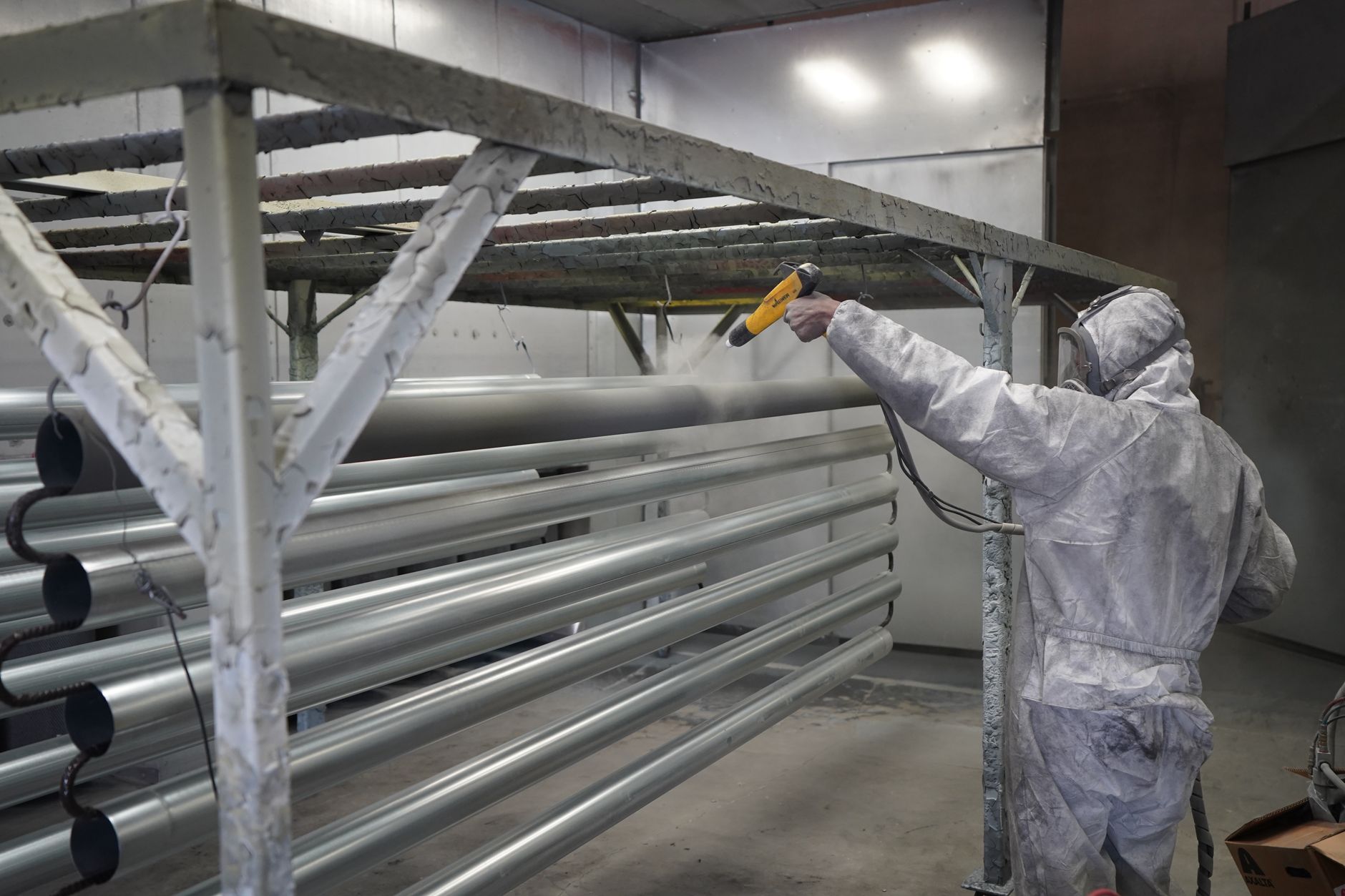
Automation stopped short of touch-up
This coating operation had already pushed most of its powder line toward conveyors, hangers, and multi-head spraying, yet skilled painters still spent long shifts in protective gear on touch-up work.
Leadership wanted the final touch-up stage to match the consistency of the main line without rebuilding the entire booth or losing the craft knowledge that experienced sprayers carried.
- Close the last touch-up gap after partial line coverage
- Keep quality consistent across mixed part sizes
- Reduce time in protective suits on repetitive sprays
- Let technicians program without deep robotics training
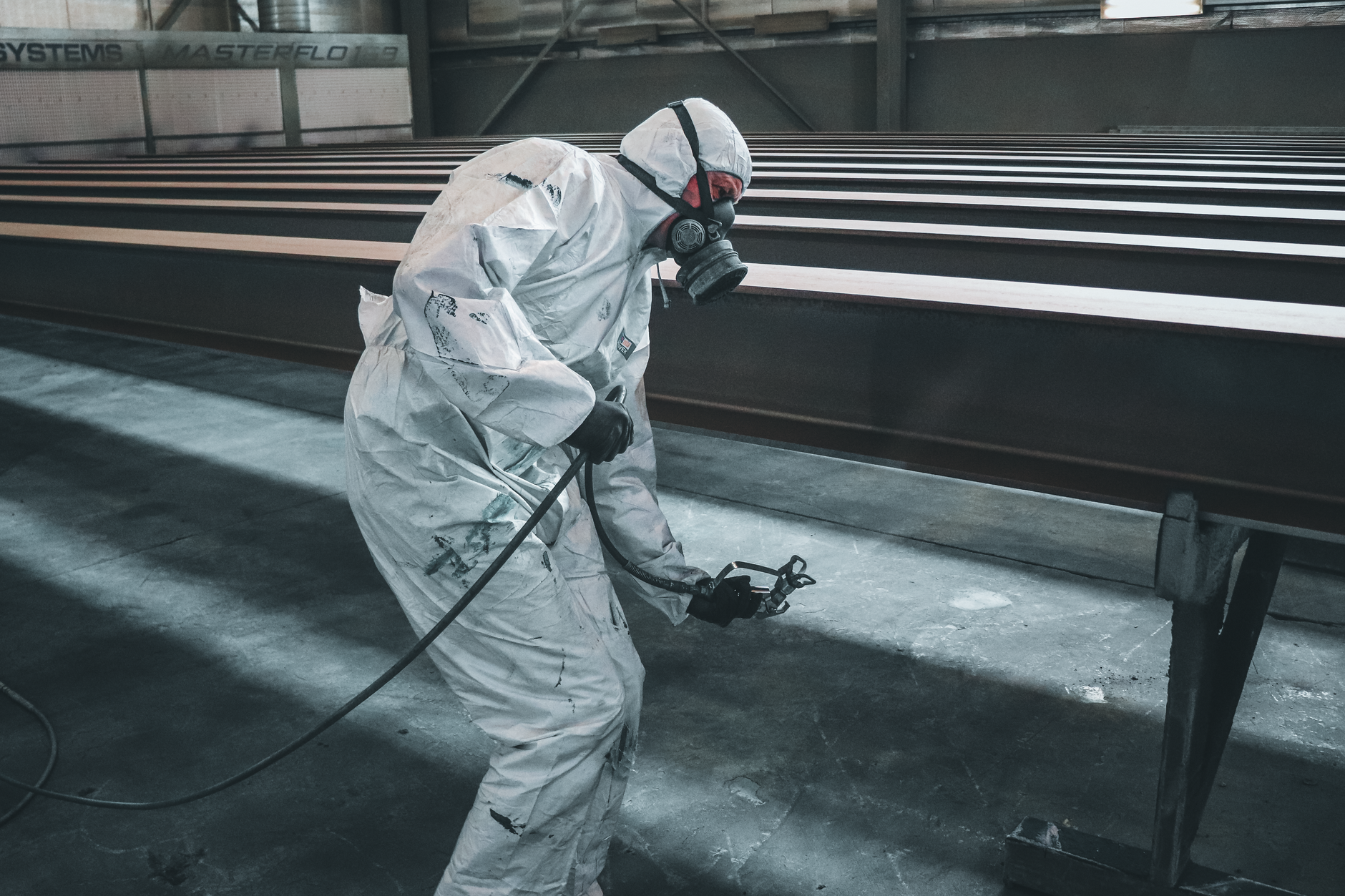
Recorded spray motion on a UR10 cell
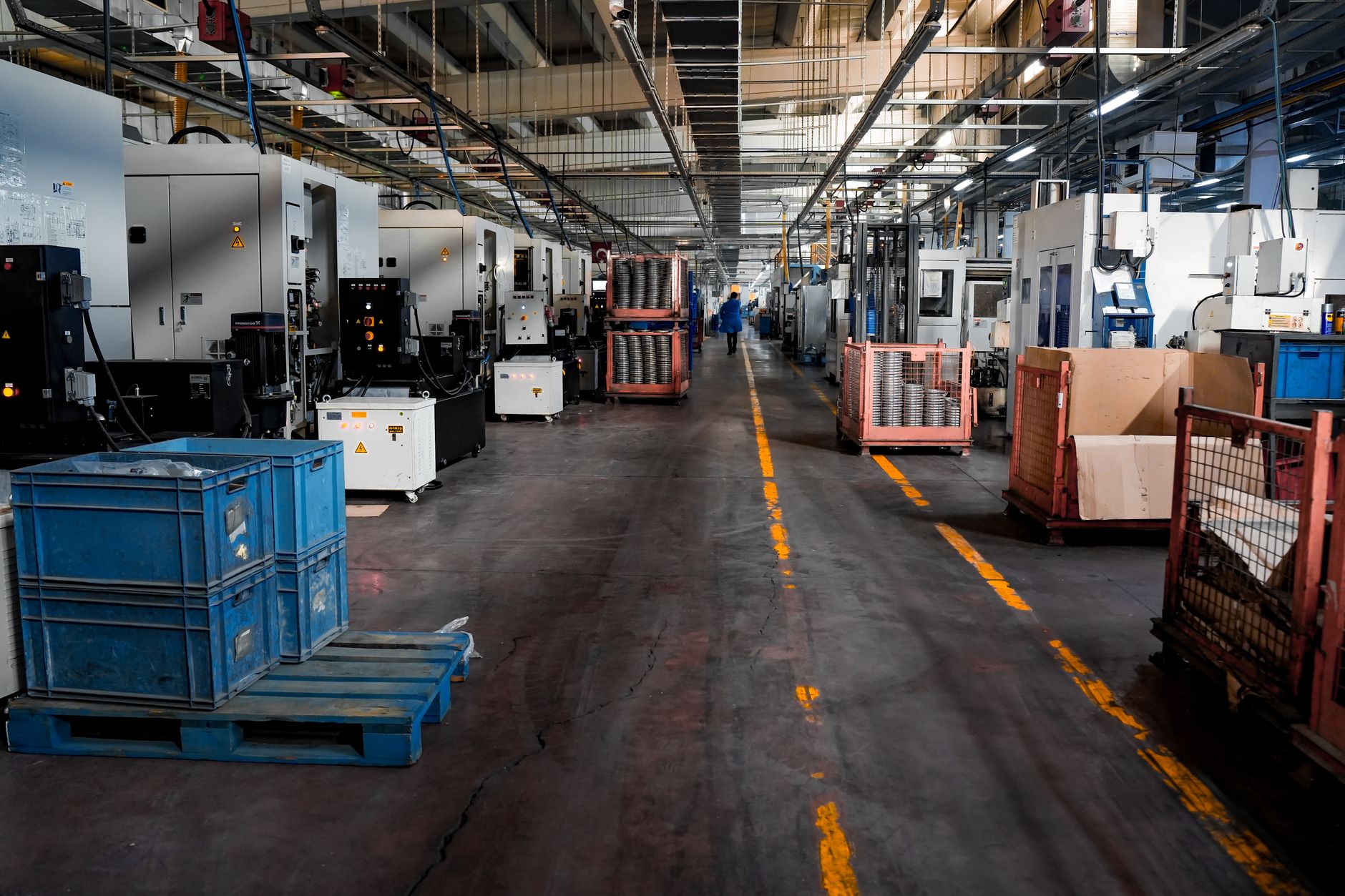
The documented rollout paired UR10 collaborative arms with Mimic software so a technician could demonstrate a touch-up pass with a familiar spray gun while a pose tracker captured the motion.
The cobot replayed that path on similar parts, working beside operators instead of replacing every painter role on the floor. Published materials note the integrator tied the cell to existing powder application hardware so communication between the arm and the booth stayed coordinated.
Programming stayed intuitive: operators could teach a path in minutes on the line rather than writing code offline. Leadership also cited ATEX Zone 22 approval for the integrated system in the EU context described in the source.
- Demonstrate touch-up motion with the normal spray tool
- Capture paths with Mimic and replay on like parts
- Integrate the cobot with existing powder booth hardware
- Start with two units and plan additional platforms
- Keep technicians central to teach and adjust programs
Consistency on the hard last pass
Partner materials describe the legacy line as covering about ninety percent of coverage before Mimic, with the cobot cell aimed at the labor-intensive final ten percent of touch-up work.
Published reporting highlights more repeatable coverage, higher throughput, and less rework on parts that previously varied with manual touch-up. Workers spent less time in suits on the most repetitive passes while staying involved in teaching and quality checks.
Leadership noted plans to add more platforms after the first two robots proved the approach on the shop floor.

What US coaters can borrow
This is a documented deployment analyzed by Service Robot Co., not a claimed client win. The pattern fits finishing lines that are mostly mechanized but still depend on skilled touch-up labor.
Service Robot Co. stays OEM-neutral, validates reach and booth integration before buy or lease financing, trains leads on teach-and-repeat workflows, and services cells under RoboCare nationwide. A free site assessment checks whether collaborative painting fits your part mix and safety rules.