
a powdered-metal components plant serving automotive valve-train and transmission parts
How a Powdered-Metal Plant Quadrupled Output With 200 Press-Tending Robots
IFR-documented Hitachi Powdered Metals scaled to 200+ ABB press-tending robots, cut fragile-part scrap to 0.5%, and quadrupled output with unchanged headcount.
- 4x
- Output volume
- 200+
- Robots installed
- 11→0.5%
- Scrap on fragile part
- 7→0.5%
- Scrap on other parts
Based on a documented real-world deployment. Figures are from public reporting; the organization is not named.
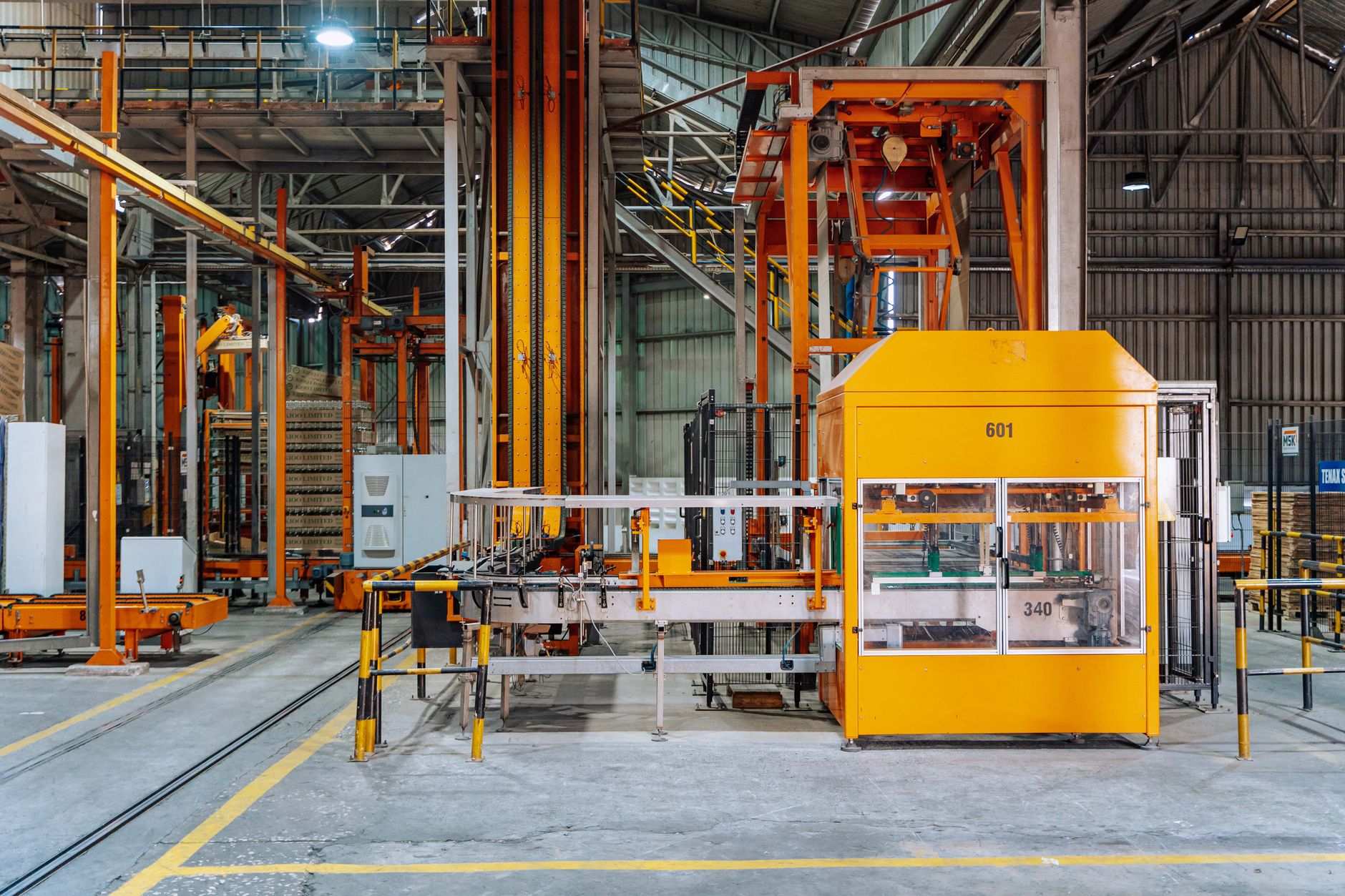
Labor scarcity and fragile green compacts
This Indiana powdered-metal plant produces valve train and transmission components for automotive tier suppliers. Parts exit compacting presses as fragile green compacts that can crumble from light handling before sintering.
The IFR case describes tightening labor availability after a major automotive OEM opened nearby, plus a customer part with small teeth too delicate for manual unloading. Scrap and hiring pressure hit at the same time.
- Unload compacting presses without damaging green parts
- Scale output when skilled handlers are hard to hire
- Weigh and convey parts before furnace loading
- Replicate reliable cells across many press lines
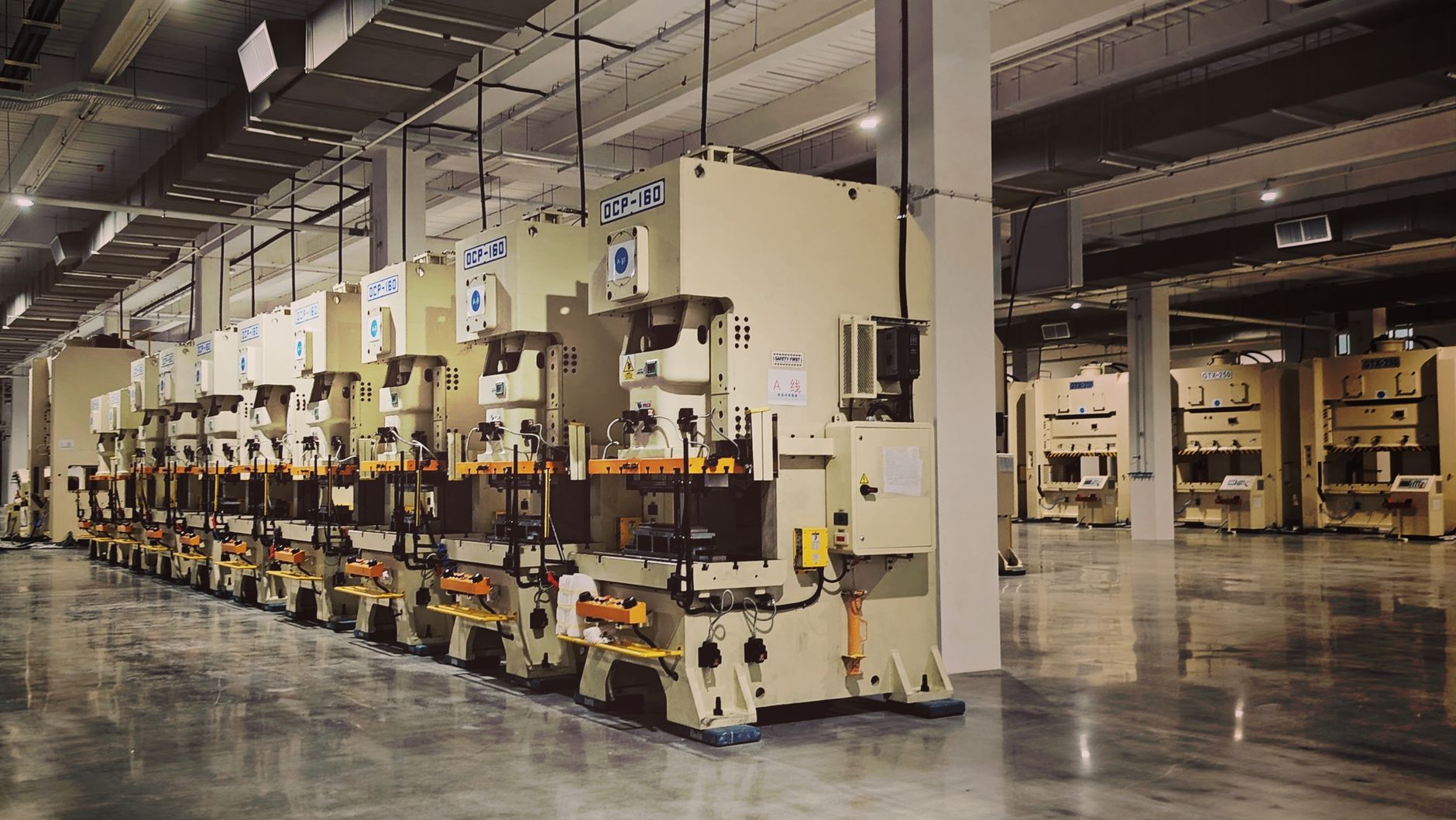
Press tending scaled from one used robot to 200+
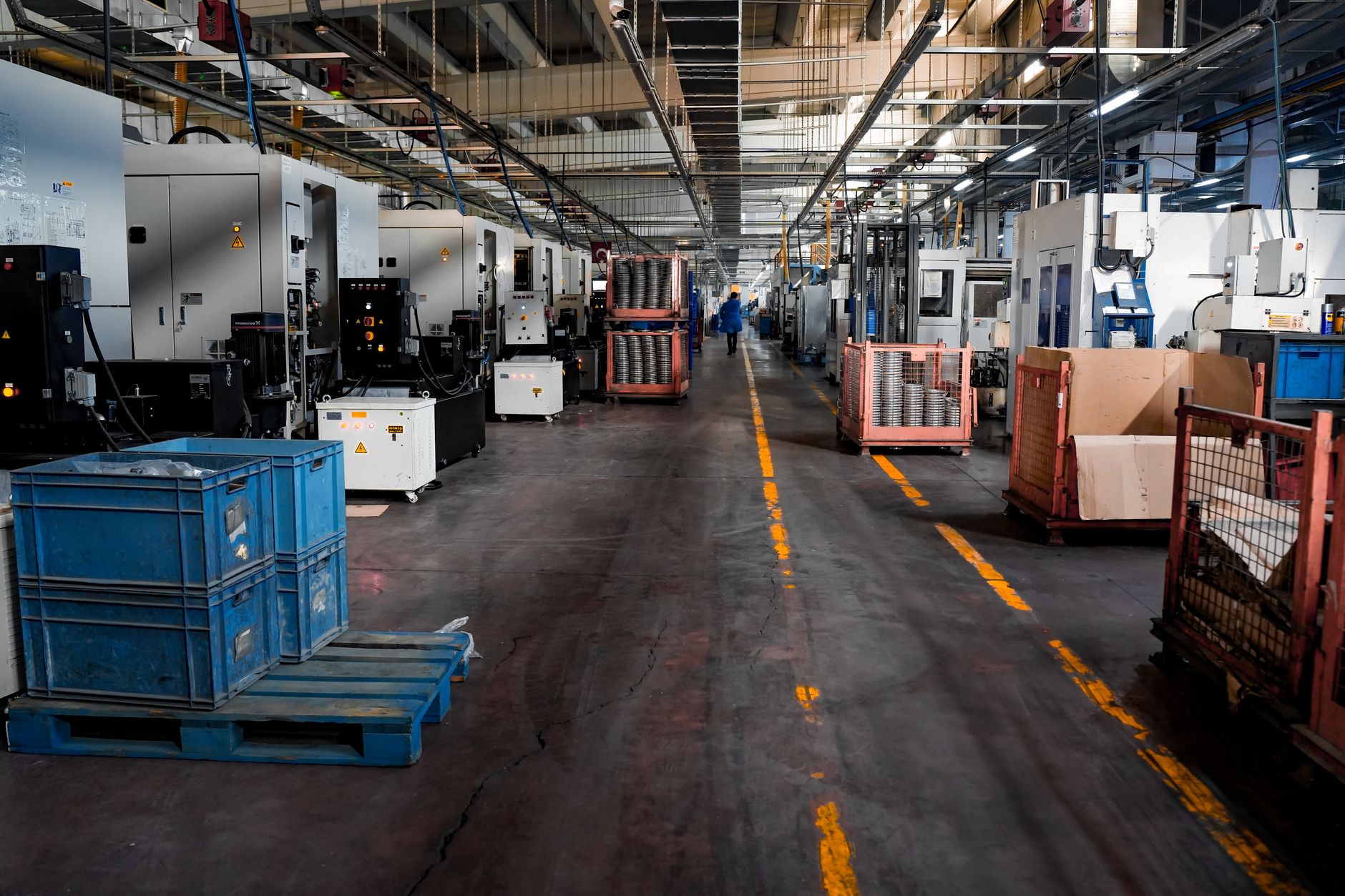
The site began in 2005 with a used ABB robot and electromagnetic gripper that handled the fragile part more gently than manual unloading, cutting scrap from eleven percent to half a percent.
Five more used robots followed within a year on other presses, then new models as savings accumulated. RobotStudio offline simulation sped layout and replication across furnace loading, palletizing, vision coining, and SCARA inspection stations.
By 2019 the Greensburg facility reported more than two hundred robots running three shifts five to six days a week alongside roughly three hundred fifty employees.
- Start with a low-risk used robot on the worst scrap part
- Copy proven press-tend programs across similar lines
- Add vision for coining and depalletizing irregular stacks
- Use SCARAs where short reaches beat six-axis arms
- Protect robots from metal powder with sealed Foundry Prime models
Documented scrap cuts and four-times volume
Published plant leadership comments state the facility produces four times the volume it did a decade earlier with about the same number of employees as ten years prior.
Scrap on the initial fragile part fell from eleven percent manual handling to half a percent with robots. Less fragile families dropped from seven percent to the same half-percent level once automated.
Vision-enabled coining eliminated weekend backlog on repress work within six months of the first installation, according to the IFR account.
What U.S. plants can take from the pattern
This is a documented long-running deployment analyzed by Service Robot Co., not a claimed client win. The transferable idea is starting on the highest-scrap fragile handling task, then replicating cells as labor and quality pressure grow.
Service Robot Co. evaluates similar press tending, machine loading, and inspection needs, then finances, deploys, trains, and services OEM-neutral industrial robots under RoboCare nationwide. A free site assessment checks whether grippers, vision, and dust exposure fit your line.