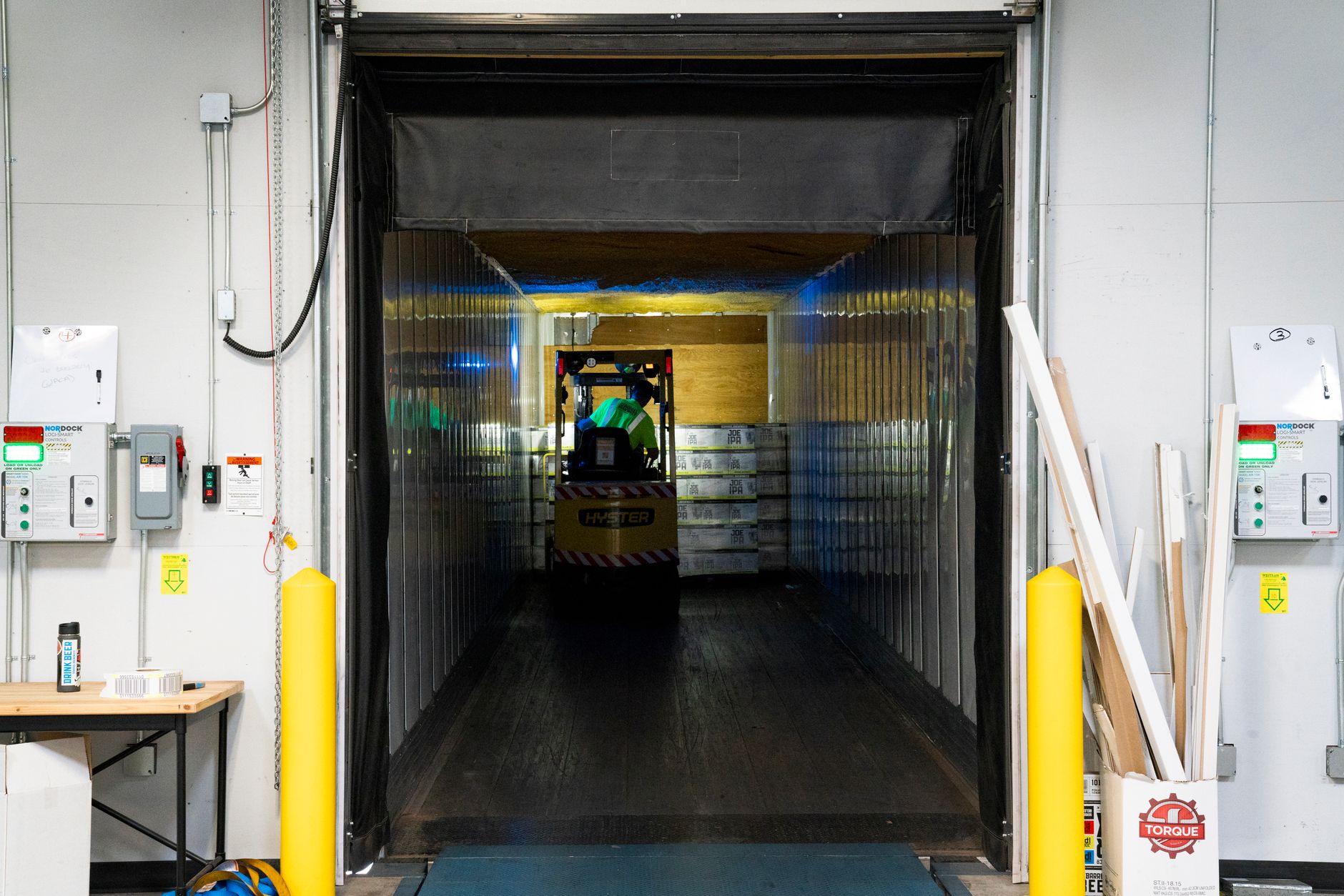
a family-owned programmable power-equipment manufacturer in New Jersey with a 73,000-square-foot vertically integrated plant
How a Power-Products Manufacturer Freed the Equivalent of 3 Full-Time Roles With Two AMRs
A New Jersey power-equipment plant used two collaborative AMRs on stockroom bus routes, freeing three FTE-equivalents from cart pushing and targeting one-year payback.
- 3 FTE
- moves redeployed
- 2
- mobile robots
- 73K sq ft
- plant footprint
- 1 yr
- expected payback
Based on a documented real-world deployment. Figures are from public reporting; the organization is not named.
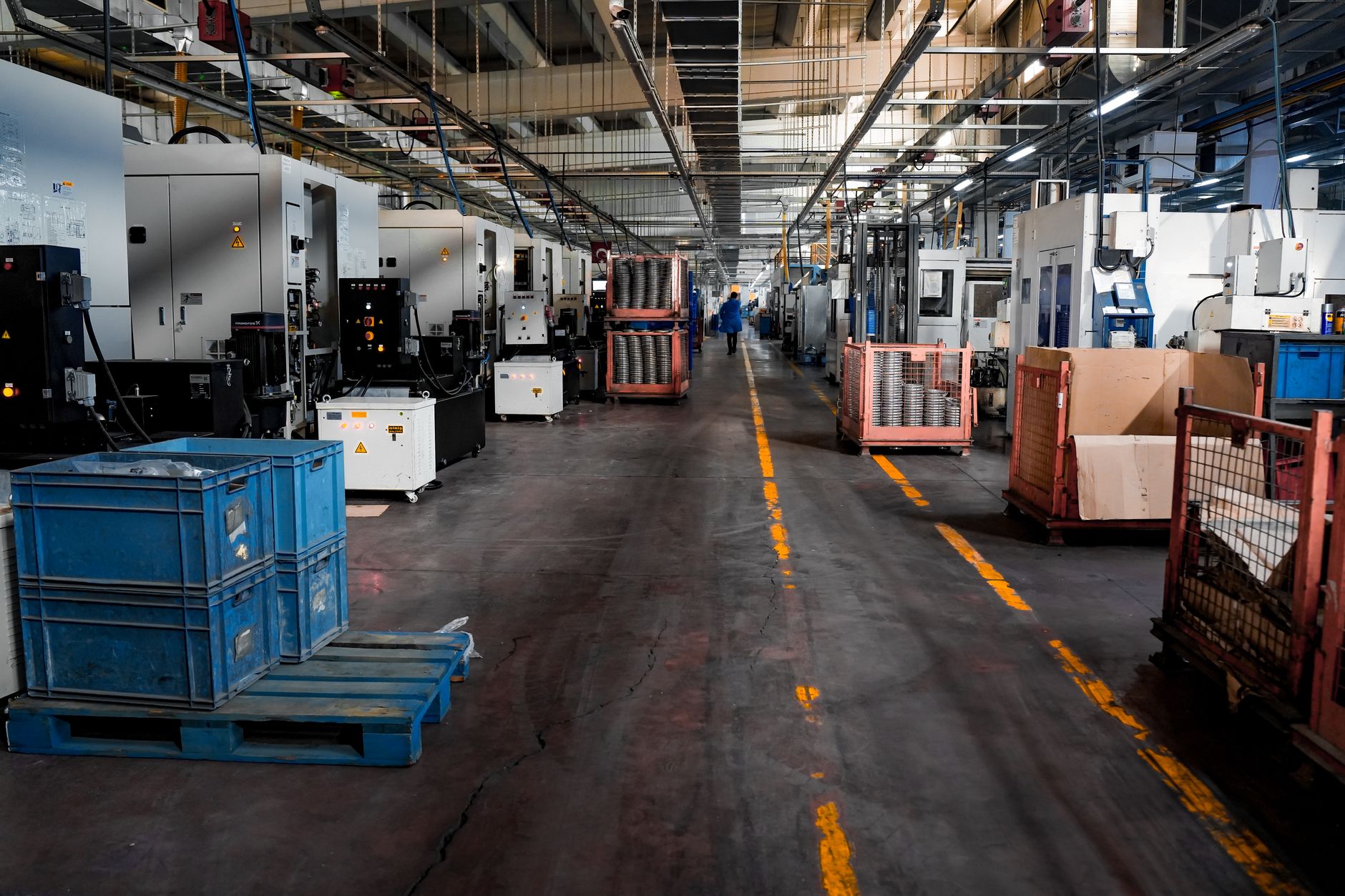
Custom builds, constant cart traffic
The plant builds programmable power products to order and competes on short lead times across industrial and research buyers. That model depends on parts and subassemblies moving from a central stockroom into vertically integrated fabrication and test areas without delay.
Before automation, skilled employees spent hours each shift pushing carts between departments. The stockroom window backed up when multiple people tried to deliver or pull kits at once, and incomplete kits forced one-off runs for a single bracket or wire harness.
Managers could not easily see how many people were kitting versus how long deliveries would take, so low-value transport kept eating time that was meant for assembly and quality work.
- Repetitive cart pushes between stockroom and production cells
- Stockroom congestion at the issue window
- Ad hoc part deliveries when kits were short
Bus routes instead of walking loops
Leadership wanted collaborative autonomous mobile robots that could run without rewiring the building. Two units were programmed on fixed routes through the plant, nicknamed internally and treated like a bus schedule rather than ad hoc errands.
Stockroom staff load totes and kits onto the robots, then return to the next build kit. Production teams request moves through the same routes, which cut the habit of walking to the window for every missing item.
Training focused on loading, route selection, and keeping finished goods on the robot until the stockroom scans them in, which surfaced gaps in material tracking and pushed a tighter inventory discipline.
- Map facility layout and define repeatable AMR routes
- Start with stockroom-to-line deliveries on one robot
- Add a second robot for parallel bus loops
- Retrain teams to stage loads on robots instead of walking
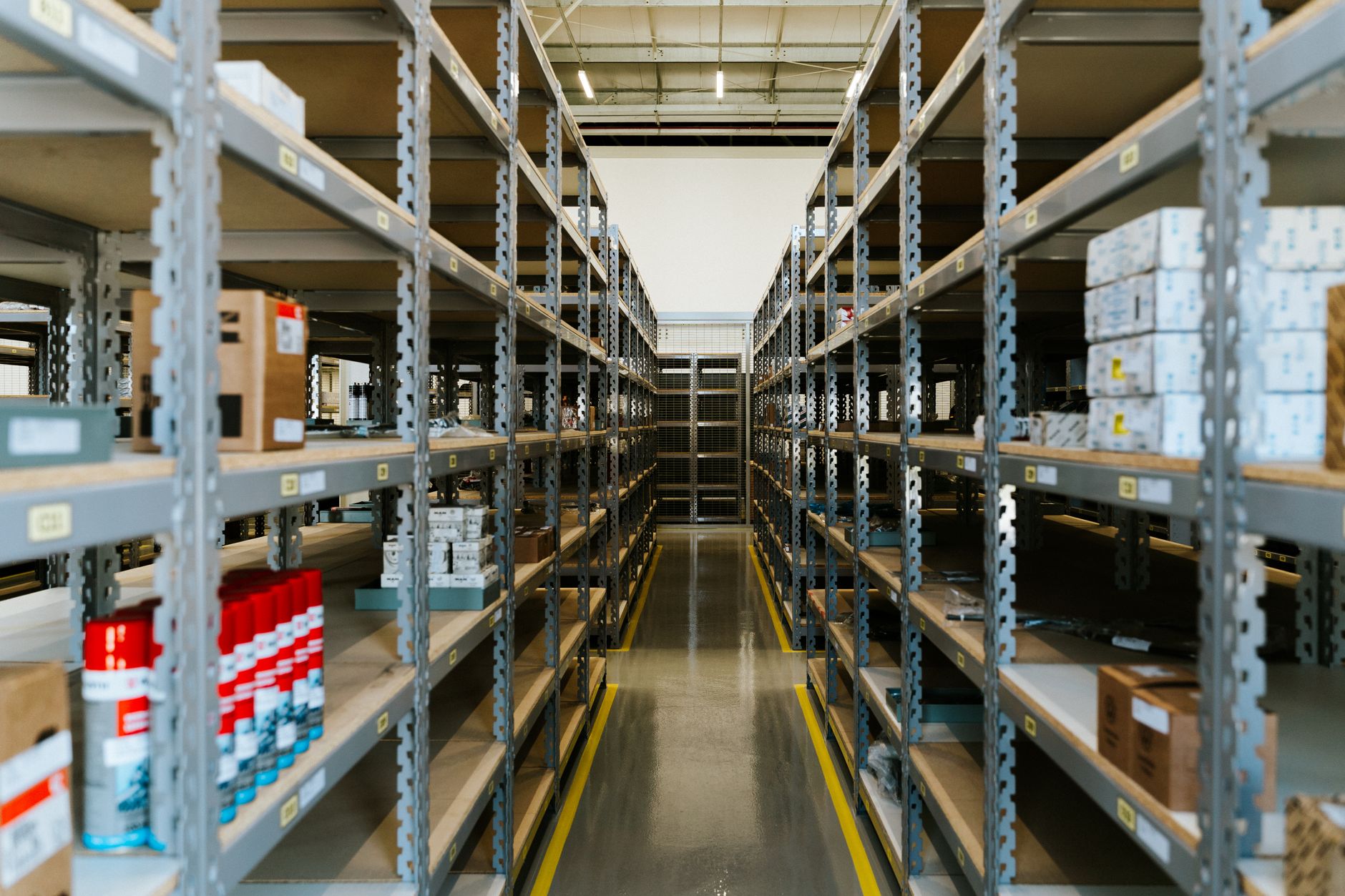
Measured labor back on skilled work
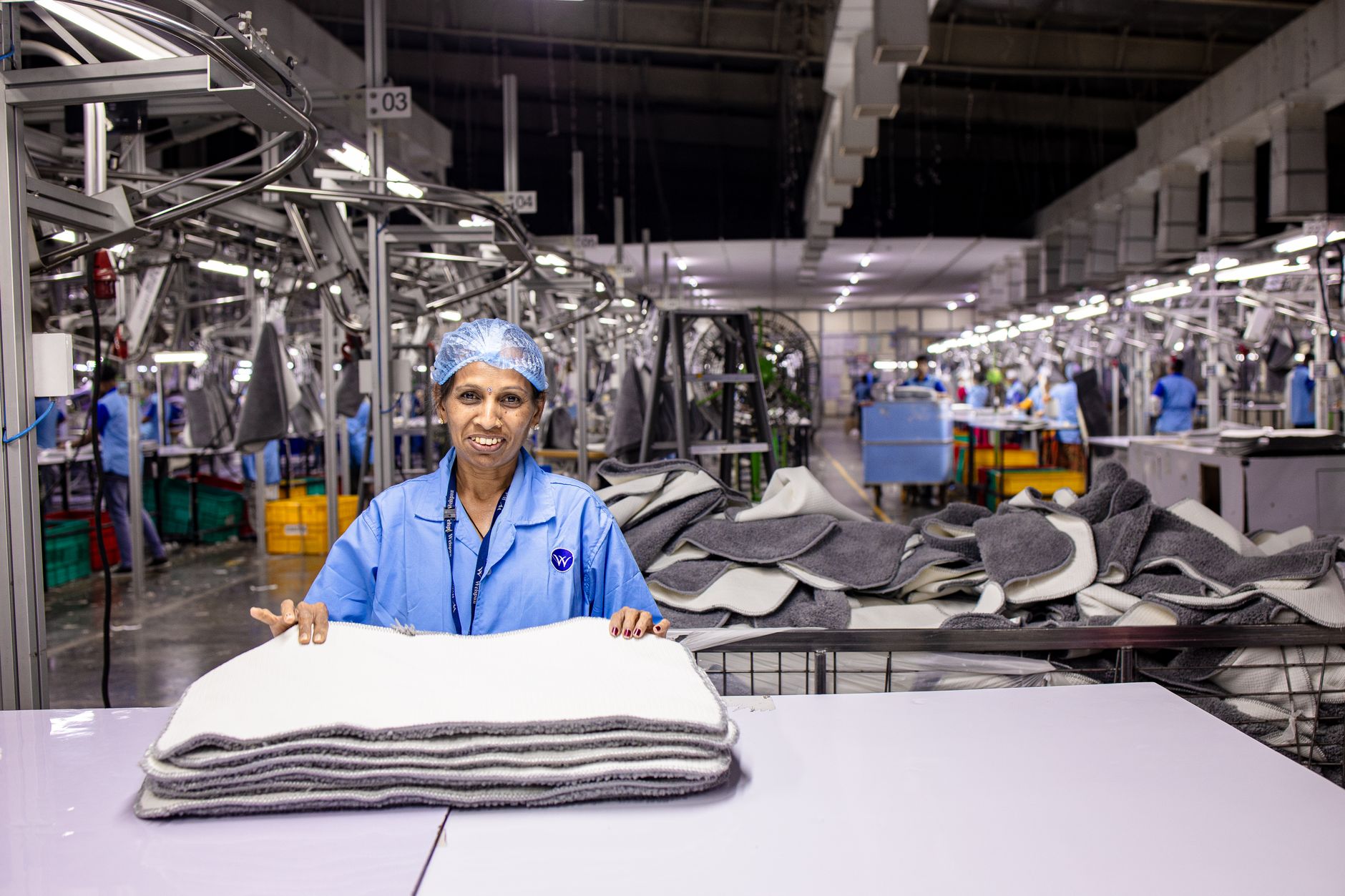
Engineering leadership calculated that the two robots free the equivalent of three full-time employees from pushing carts, with those hours returned to kitting, assembly, and troubleshooting tasks robots cannot perform.
Stockroom throughput improved because kit builders stay at the bench instead of queuing at the window. The robots also made it obvious when kits were incomplete, which reduced surprise single-part runs.
The company expected the robots to pay for themselves within about one year by replacing low-value transport with equipment that runs the same loops all day.
What this means for your plant
This deployment is a documented example, not a Service Robot Co. customer story. It shows how a mid-size manufacturer can attack internal logistics without a full AGV project.
Service Robot Co. stays vendor neutral: we compare autonomous mobile robot rental, lease, and purchase paths, map bus routes to your floor, and back the fleet with a nationwide network of regional service engineers.
If your stockroom still loses afternoons to cart pushes, a free site assessment can show whether two-route AMR coverage pays back on your shift pattern before you commit capital.