
a North American pet food and supplies distribution warehouse handling high-volume e-commerce fulfillment
How a Premium Pet-Food Warehouse Cut Labor Costs 70% With AMRs
A pet-food distribution warehouse deployed AMRs for material handling and reported 70% lower labor costs, 2.5x throughput, 90% less damage, and 99.99% order accuracy.
- 70%
- labor cost cut
- 2.5x
- throughput
- 90%
- less damage
- 99.99%
- order accuracy
Based on a documented real-world deployment. Figures are from public reporting; the organization is not named.
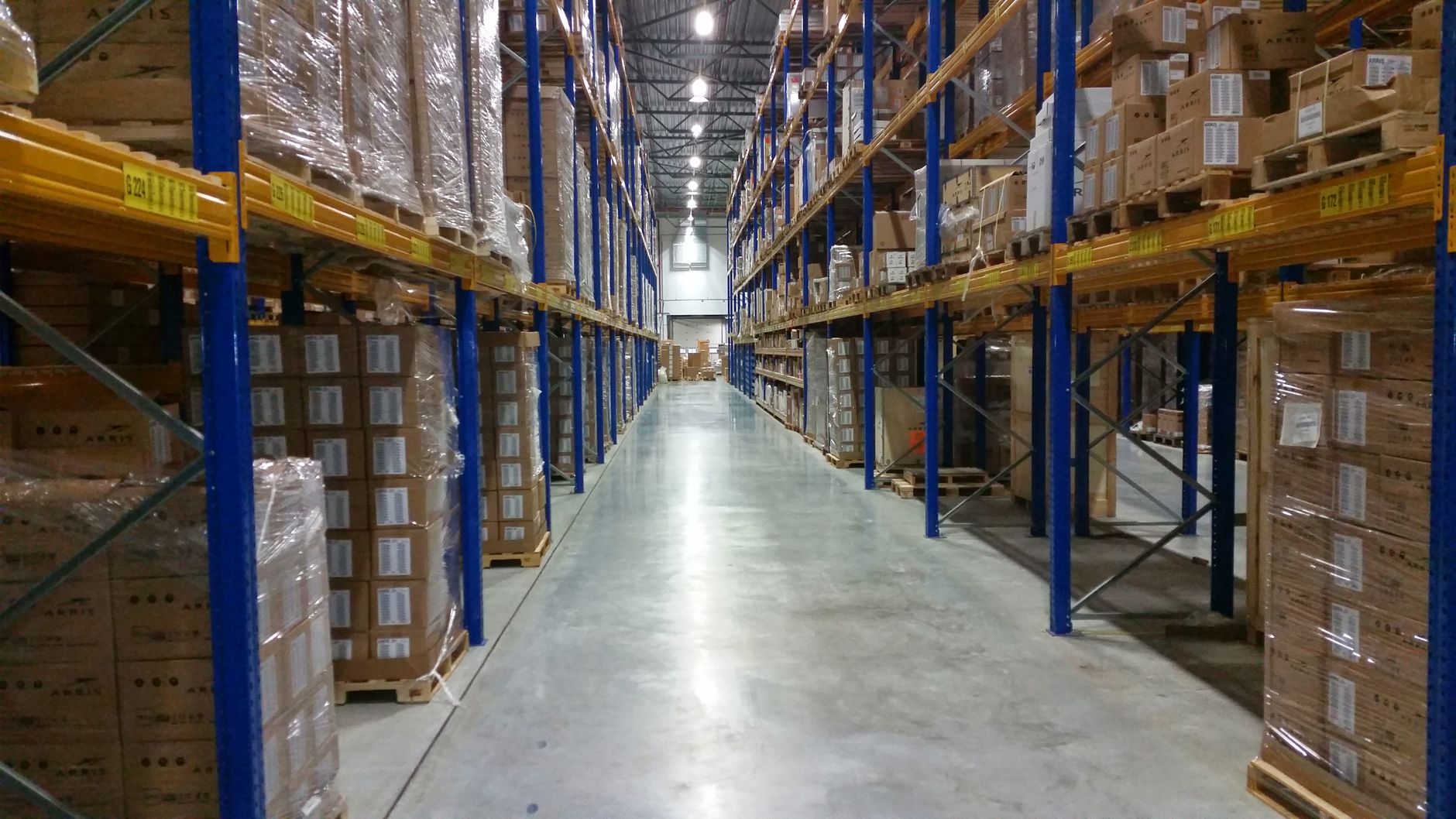
Peak pet-food volume outran manual carts
A North American pet food and supplies distribution warehouse handling high-volume e-commerce fulfillment depended on associates to push carts and chase pick paths during demand spikes. Congested aisles and repetitive travel limited how fast orders could leave the building without adding temporary labor.
Leadership needed automation that could scale throughput while protecting fragile packaging and keeping accuracy high enough for retail accounts.
- Manual cart moves on every shift
- Pick rates capped by walking time
- Damage and overtime rising with volume
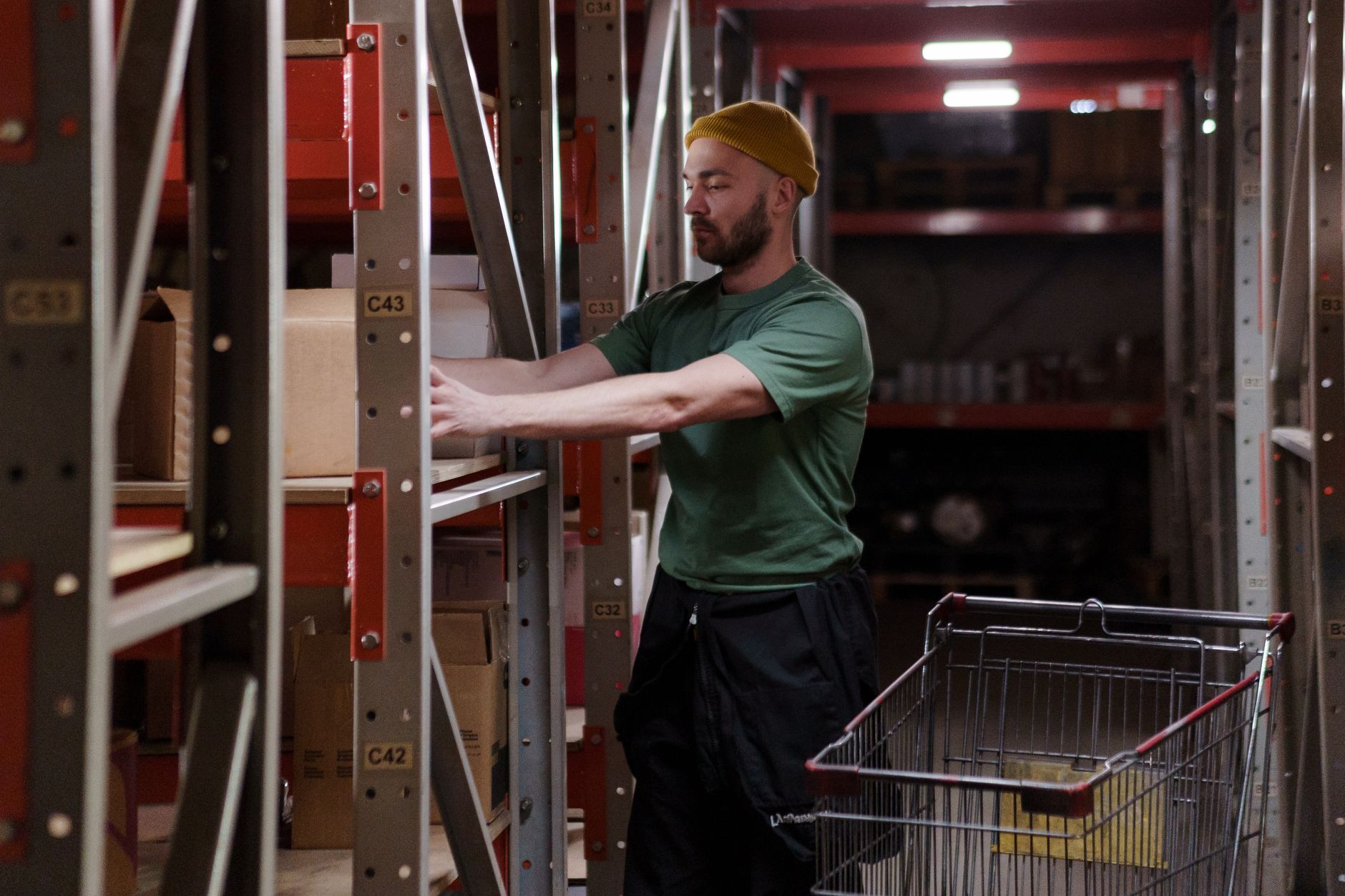
AMRs took over repetitive material handling
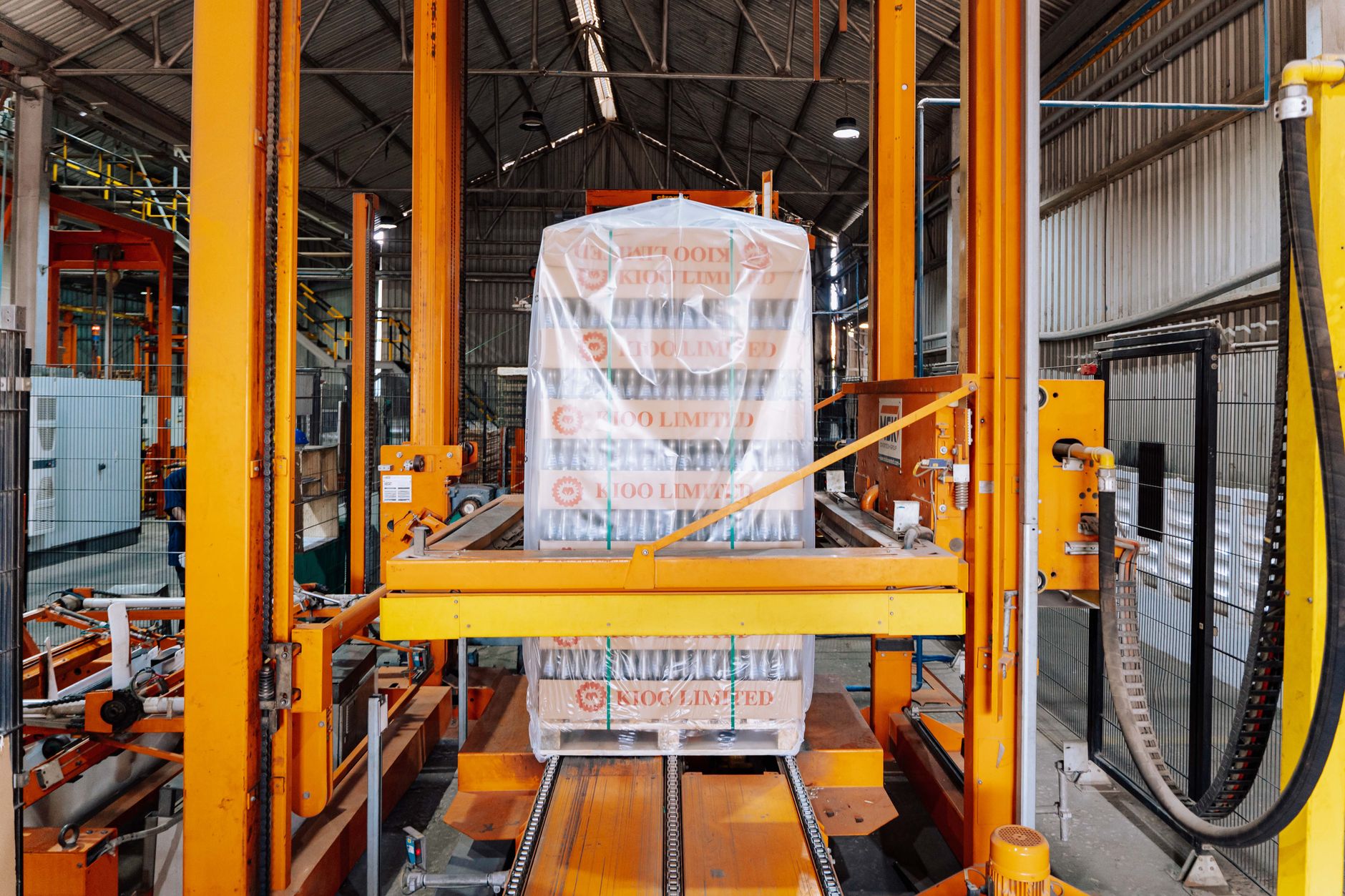
Operations partnered with an integrator to deploy autonomous mobile robots on the warehouse floor, targeting the highest-travel segments between storage and pack stations. The fleet automated cart building and line-haul moves so pickers stayed at stations instead of walking heavy loads.
Training focused on exception handling, battery swaps, and how supervisors read throughput dashboards during peak weeks. The rollout kept existing WMS workflows while robots absorbed predictable loops first.
- AMRs on repetitive transport lanes
- Pickers stationed at scan-and-pack zones
- Phased start on highest-travel paths
Published metrics show labor and quality gains
The documented deployment reports about 2.5 times higher throughput after AMRs automated material handling, with labor costs down about 70 percent as associates moved to higher-value tasks. Damaged goods fell about 90 percent while order accuracy reached 99.99 percent in the same case materials.
Leadership also cites roughly 400 percent higher pick capacity and about 2.5 times more workers effectively replaced on transport work, letting the site absorb spikes without the same temporary hiring curve.
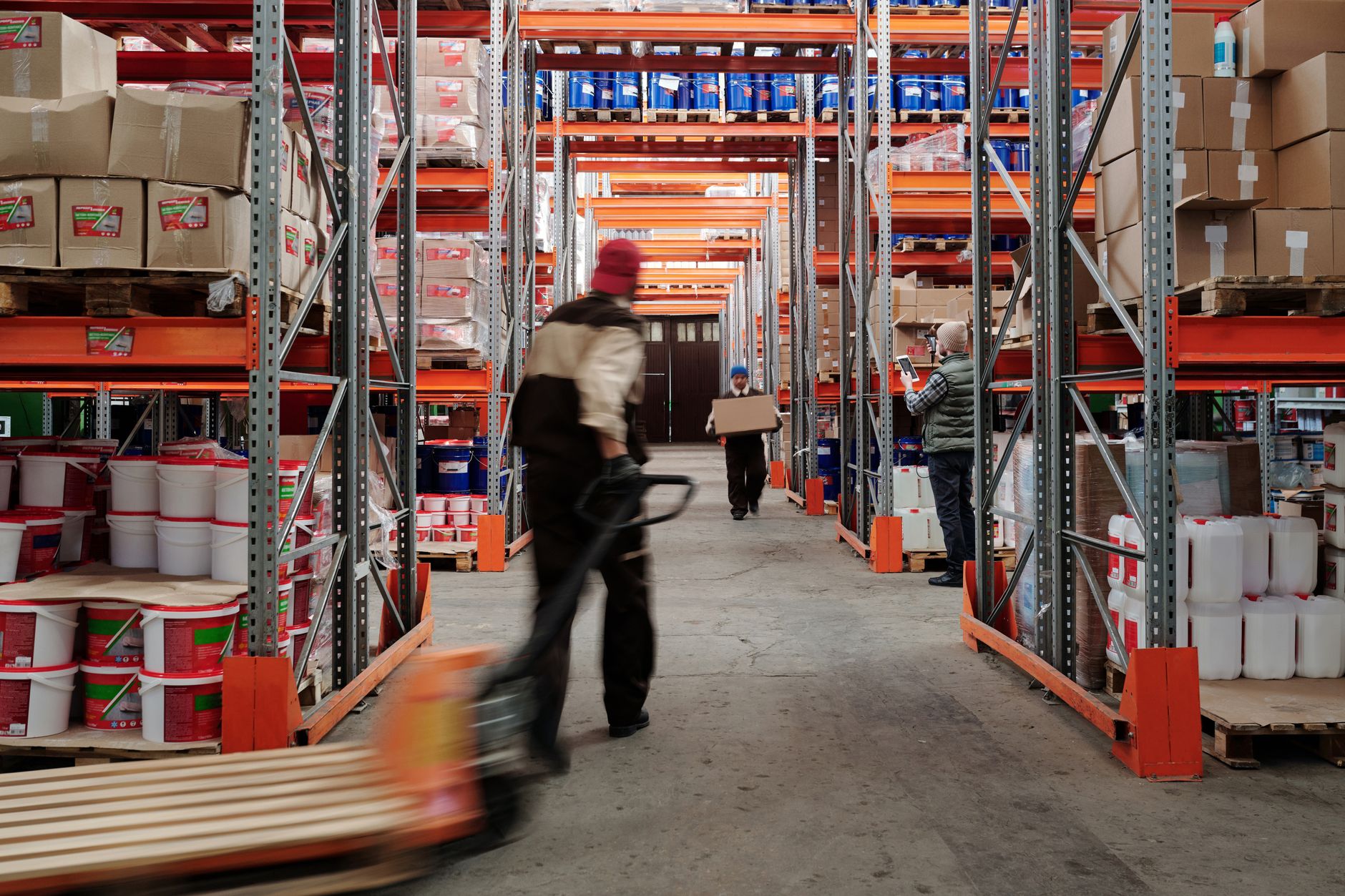
What US pet and CPG distributors can benchmark
This pet-food warehouse is not a Service Robot Co. customer. It shows how AMRs buy back walking time when cart weight and SKU variety climb together.
US distributors comparing warehouse robot buy or lease options can pilot one AMR loop from reserve storage to pack, measure units per hour and damage rates, then expand. One integrator can match AMRs to aisle widths, structure financing with monthly payments, integrate with WMS handoffs, train floor leads on exceptions, and support units under RoboCare after go-live.
When throughput rises 2.5 times without doubling headcount, the business case for fleet expansion gets easier to defend to operations and finance.