
an Italian manufacturer of custom autoclave pressure vessels for pharmaceutical customers
How a Pressure-Vessel Fabricator Cut Cycle Time 50% With Offline Welding Cells
IFR-documented Fedegari ABB welding cells cut autoclave vessel cycle time 50%, raised production capability 35%, and used offline RobotStudio programming.
- 50%
- Cycle time cut
- 35%
- More capacity
- 2
- Welding cells
- 83%
- Size range
Based on a documented real-world deployment. Figures are from public reporting; the organization is not named.

Standards locked weld parameters, not overall flow
This Italian engineering company builds large customized autoclave pressure vessels for pharmaceutical manufacturers. Each unit varies in size and geometry, so production must stay flexible.
International welding standards fixed torch speed and voltage, blocking faster welds. The plant needed to improve overall process efficiency instead, with near-zero changeover between customized vessels.
- Weld inside and outside large vessel bodies and doors
- Handle stainless and carbon steel with multiple filler changes
- Avoid stopping to reposition massive autoclave shells
- Prepare the next program while the cell runs
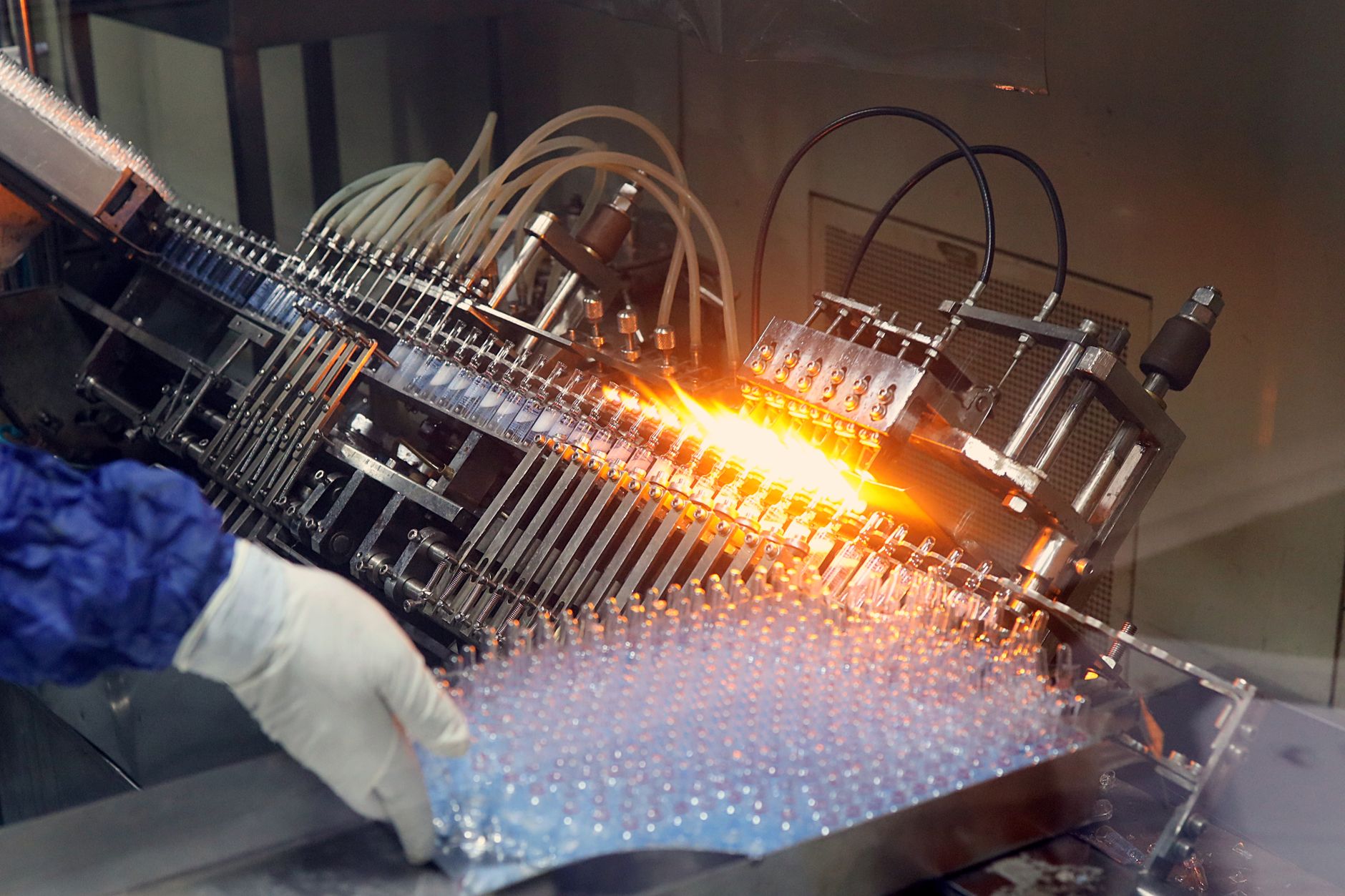
Dual gantry cells with offline programming
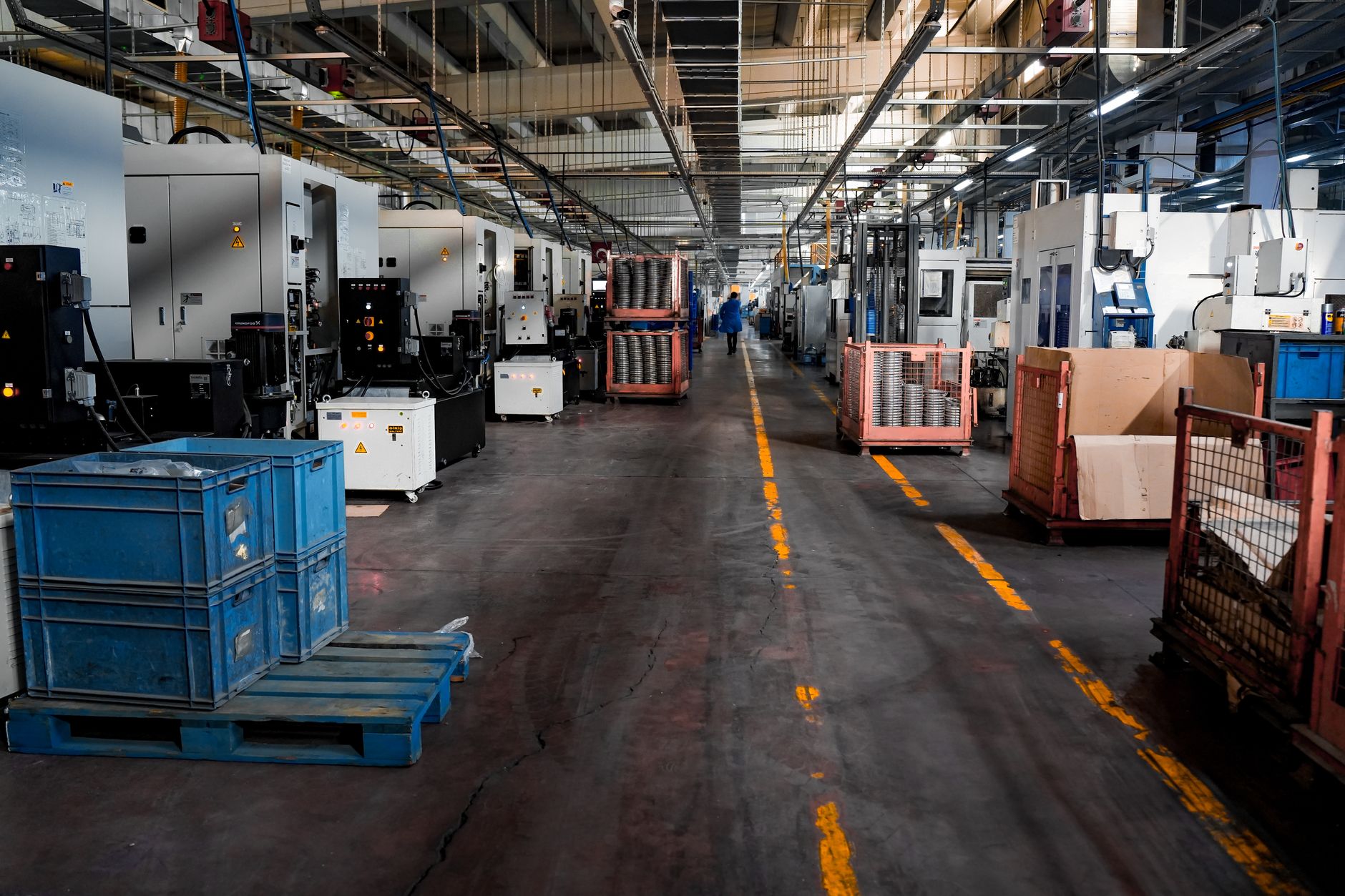
The IFR case describes two ABB flexible welding cells. One uses an IRB 2600 on a gantry with flexible positioners for vessel bodies; a second cell builds doors with IRBP 2000 positioners.
RobotStudio offline programming lets engineers design setups and cycle-time scenarios while production runs, building a library of programs adapted from CAD for each new customized vessel.
Each cell can hold two vessels in different positions so one loads while the robot welds the other. Multi-process torches with search and tracking sensors handle interior and exterior welds without moving the autoclave mid-cycle.
- Program offline while cells stay in production
- Load parallel vessels to hide changeover time
- Swap welding torches up to three times per product
- Cover a wide range of vessel sizes in one layout
- Run three shifts including an unmanned third shift cited
Documented cycle and capacity gains
Published comments from plant leadership cite fifty percent reduction in overall cycle time and thirty-five percent improvement in production capability after the ABB cells entered service.
The IFR account notes the layout covers eighty-three percent of pressure vessel sizes in the product range and that cells run on three shifts, with the third shift described as completely unmanned at the time of reporting.
Leadership also emphasized collaboration between the welding system and positioning equipment as the main win, not torch speed alone.
What U.S. fabricators can take from the pattern
This is a documented OEM deployment analyzed by Service Robot Co., not a claimed client win. The transferable idea is offline-programmed flexible welding when code limits weld parameters but customized large assemblies still need fast changeovers.
Service Robot Co. maps similar weld cells, machine tending, and material-handling needs, then finances, deploys, trains, and services OEM-neutral industrial robots under RoboCare nationwide. A free site assessment checks whether gantry reach, positioners, and offline tools fit your parts and safety rules.