
a coral reef restoration venture in Western Australia
How a Reef Restoration Project Plans Cobot Propagation for Tens of Millions of Corals
Coral Maker and Autodesk use vision-guided UR cobots to pick and place reef fragments, targeting tens of millions of corals yearly for ecosystem-scale restoration.
- 10M+
- Corals/year goal
- 1 ha/yr
- Manual pace cited
- UR
- Cobot platform
- AI
- Vision pick
Based on a documented real-world deployment. Figures are from public reporting; the organization is not named.
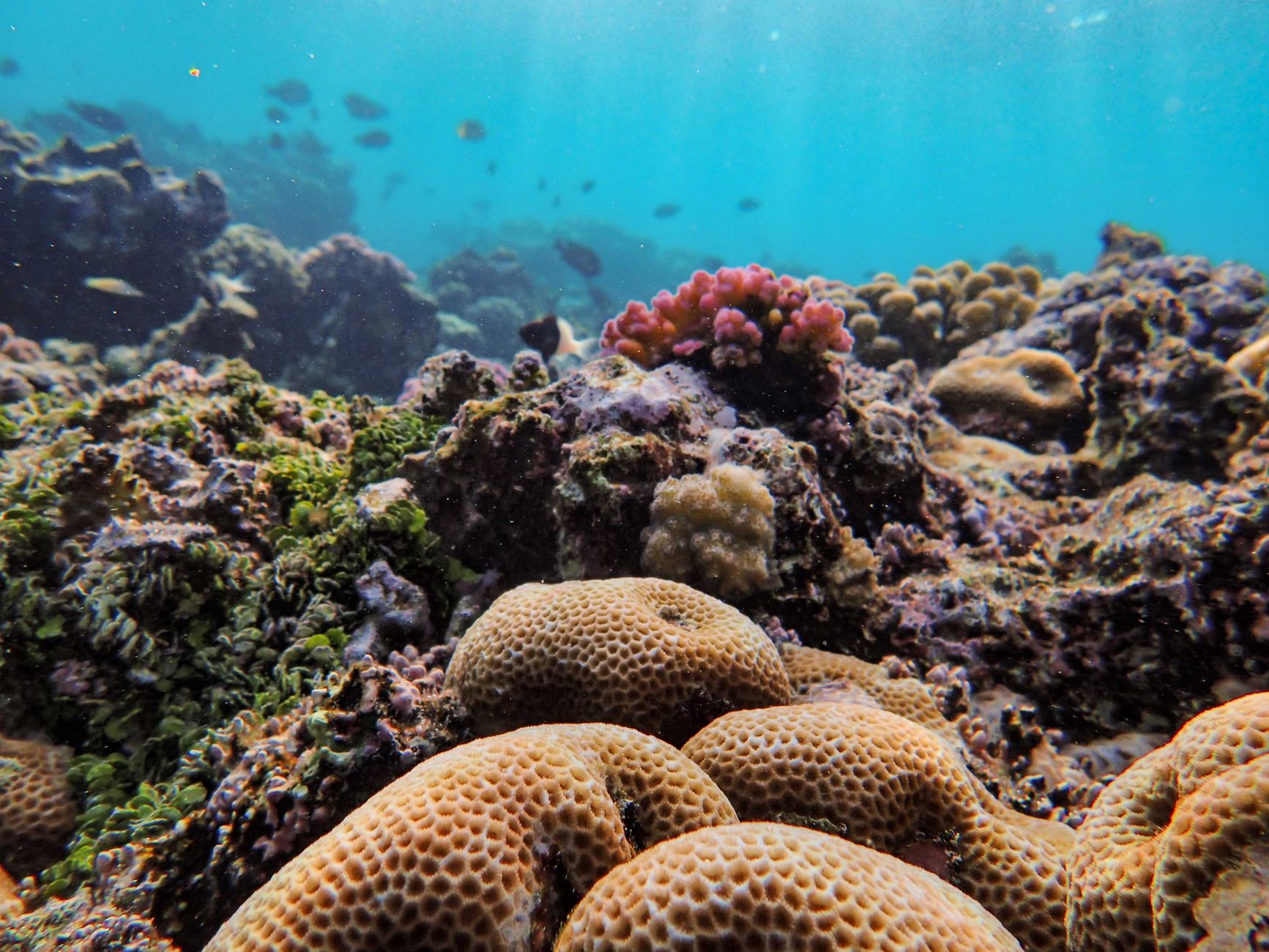
Manual propagation cannot match reef scale
After major bleaching events, this restoration venture grafts nursery-grown coral fragments into molded stone bases before returning them to damaged reef. The work is precise, repetitive, and slow when done entirely by hand.
Published reporting notes current projects restore on the order of one hectare per year while ecosystem-scale recovery would require processing tens of millions of corals annually. Leadership concluded manual labor alone cannot close that gap at acceptable cost.
- Graft fragments into plugs and stone bases quickly
- Handle irregular coral shapes without crushing tissue
- Keep biologists on complex judgment tasks
- Drive cost down enough to scale propagation
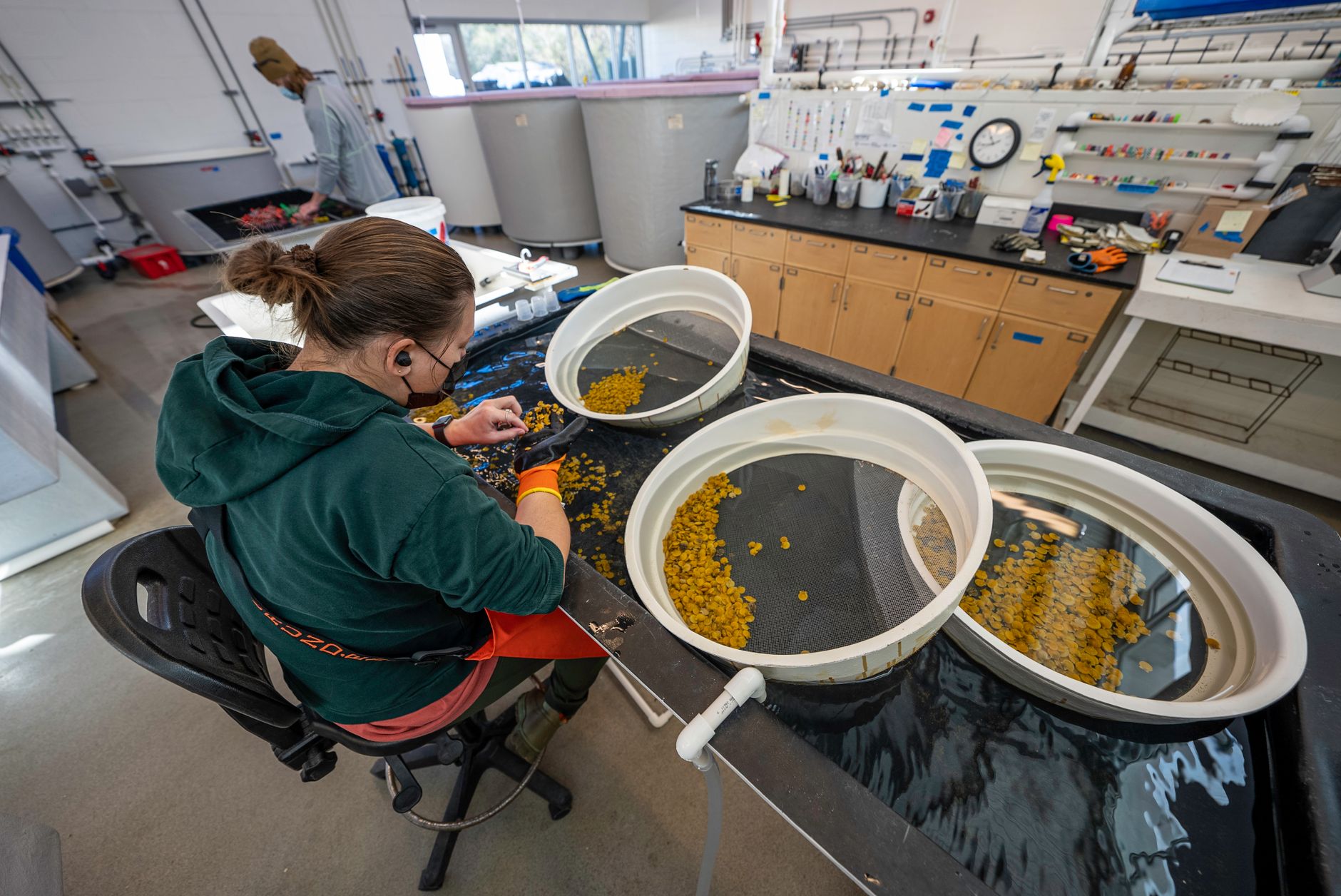
Vision-guided cobots beside marine biologists
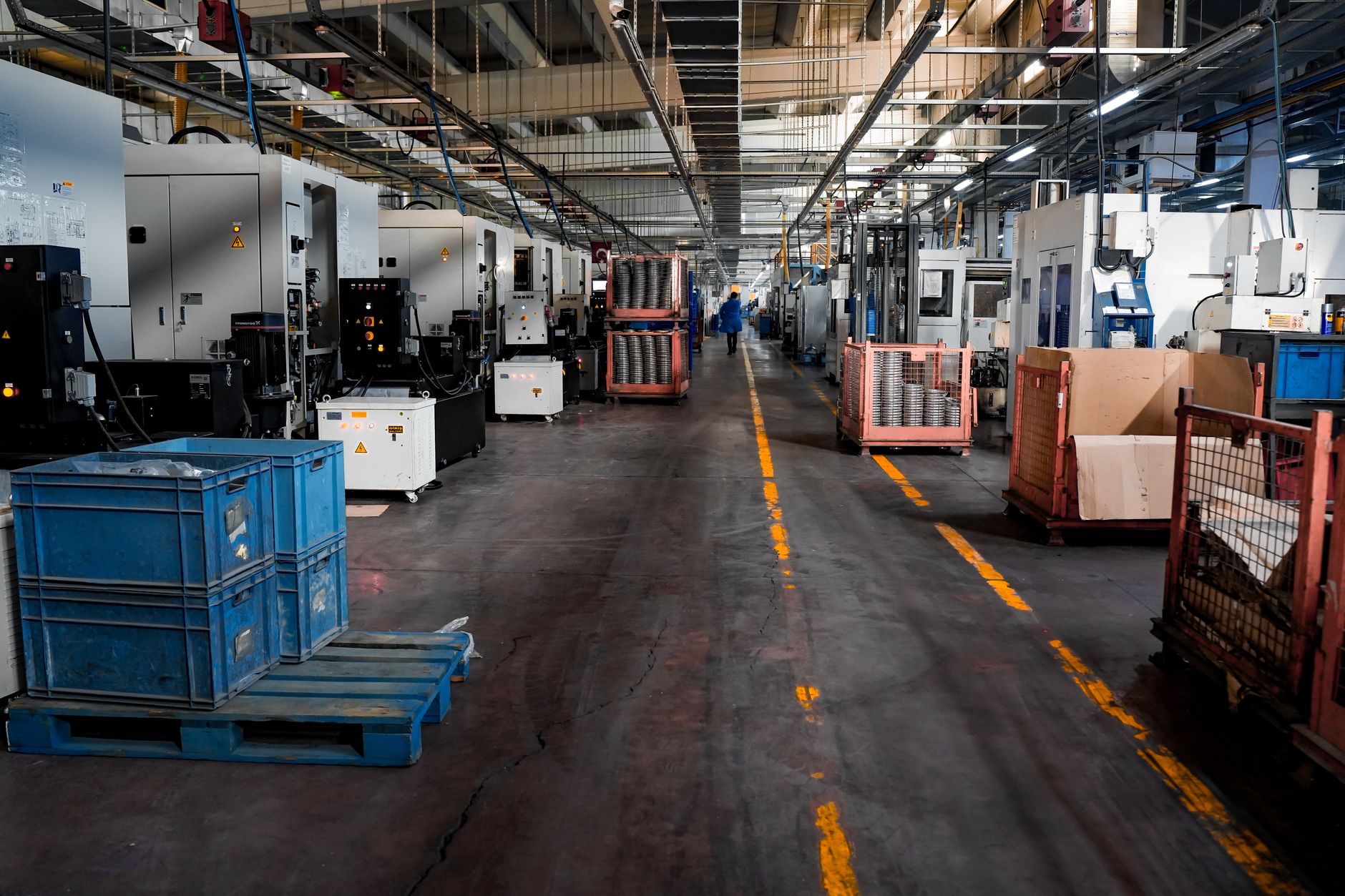
The documented program pairs collaborative robots from Universal Robots with AI and vision systems trained through Autodesk tooling so arms can locate, pick, and place coral fragments on glue points or skeleton plugs.
Researchers emphasized adaptive robotics that work alongside people because many steps still need biologist oversight even when pick-and-place repeats. The design targets around-the-clock production outside standard shifts when safe to do so.
Each fragment differs in shape, so vision recognition rather than fixed fixtures became central to the approach described in the IFR case study.
- Train vision models on varied fragment shapes
- Use cobots for repetitive pick-and-place steps
- Keep humans on complex propagation decisions
- Plan for continuous production where appropriate
- Measure cost per coral as programs scale
Scaling ambition with early automation
The IFR account frames success as bringing propagation cost low enough to approach tens of millions of corals per year, not as a finished commercial rollout metric on every reef.
Leadership contrasted manual programs at about one hectare restored annually with the orders-of-magnitude larger throughput ecosystem recovery would require. Cobots are positioned to absorb repetitive placement so biologists focus on tasks that still resist full mechanization.
The partnership remains in development toward worldwide impact, with published comments stressing collaborative work between people and robots rather than unattended replacement of restoration teams.
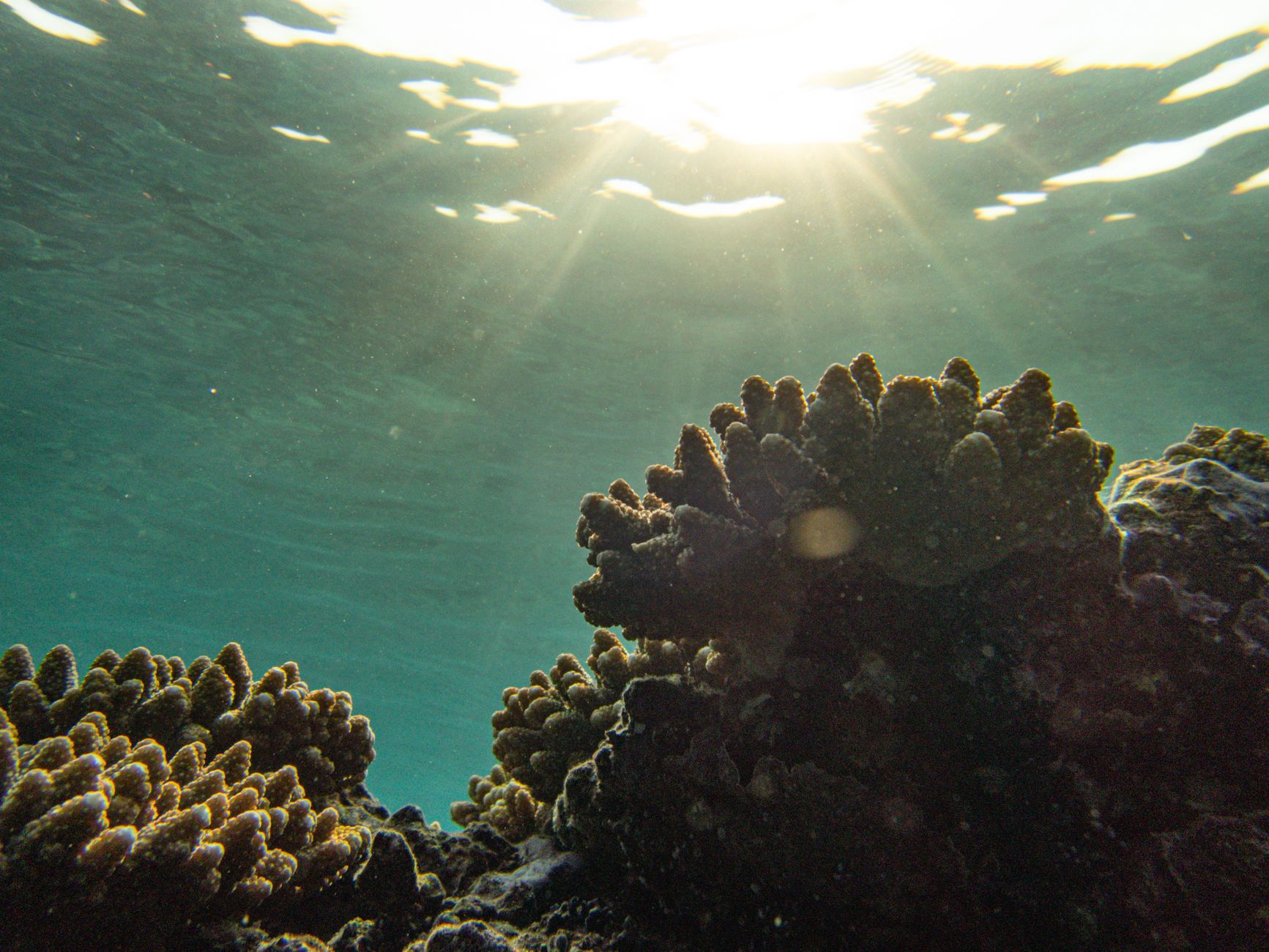
What land-based operators can take from the pattern
This is a documented research and restoration program analyzed by Service Robot Co., not a claimed client win. The transferable idea is using collaborative pick-and-place when pieces vary in shape and skilled staff must stay in the loop.
Service Robot Co. maps similar repetitive handling in warehouses, labs, and light assembly, then finances, deploys, trains, and services OEM-neutral cobots under RoboCare nationwide. A free site assessment checks whether vision-guided placement fits your parts and safety rules.