
a residential complex in southwest China
Nearly 30,000 Meal Deliveries in Four Months: A Residential Robot Case Study
A residential complex in southwest China ran delivery robots for nearly 30,000 meal orders in four months, with each trip taking 4 to 5 minutes.
Deployment at a glance
- 30,000
- Nearly 30,000 meal orders over four months
- 4 to 5 min
- Typical trip time, with minimal delay at evening peaks
- 3 min
- Robot waits at each door for pickup
Based on a documented real-world deployment. Figures are from public reporting; the organization is not named.
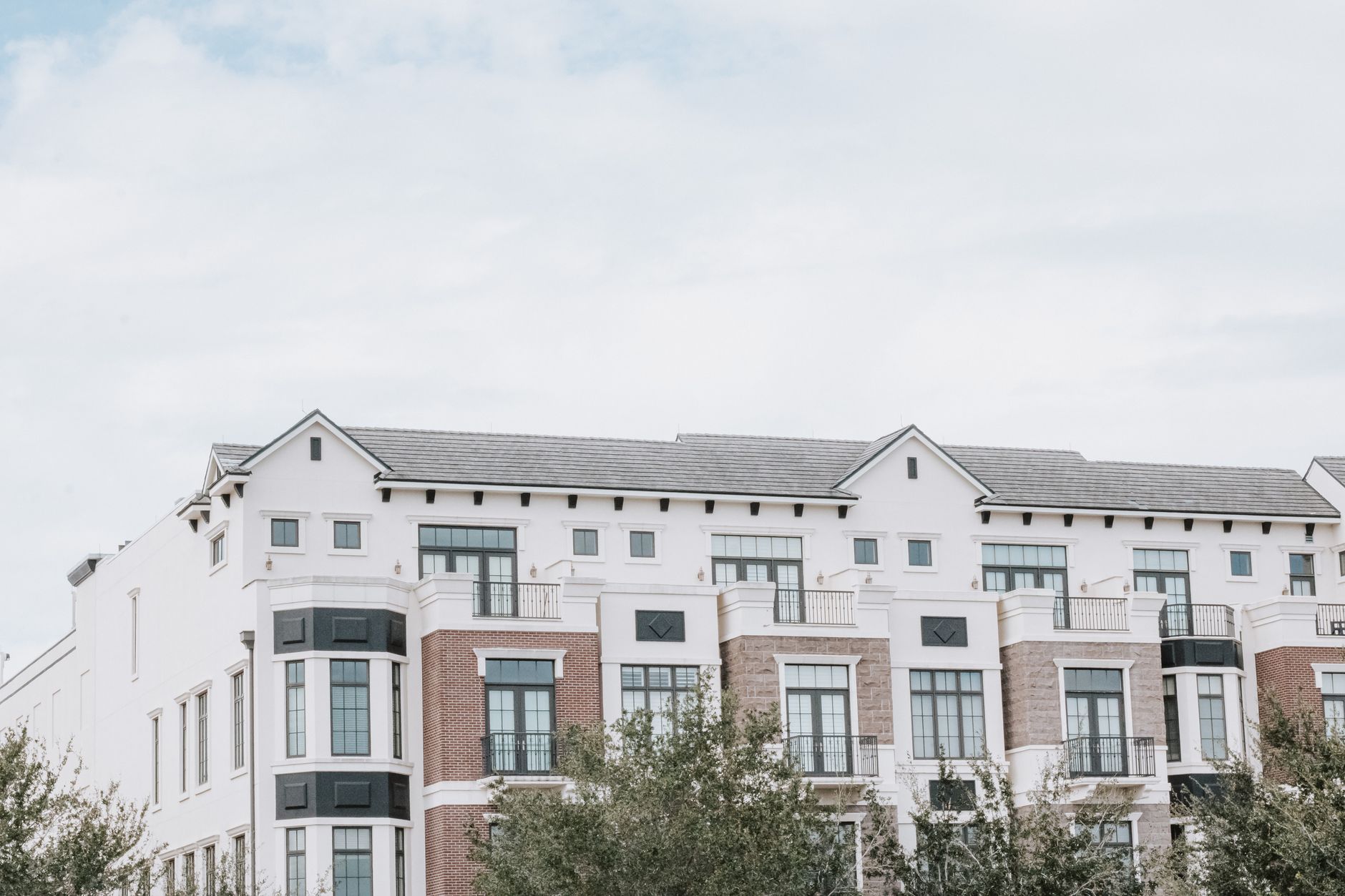
Rider traffic at the gate after dark
Food delivery riders were moving through the complex, and nighttime rider traffic had become a real problem for management. Every order meant another outside person on the grounds, crossing shared space that residents expected to keep controlled.
The community needed a way to get meals to residents without sending riders deeper into the complex on every order.
A handoff at the entrance, then the robot takes the last stretch
The workflow split the job at the gate. Riders leave food at the community entrance, and the robot carries it from there to the resident's door. Along the way the robots handle access control and elevators independently, and they steer around pedestrians.
On arrival, the robot sends a pickup alert and waits three minutes. The resident collects the meal without contact, by WeChat scan or verification code.
- Rider drops the meal at the community entrance
- Robot takes over and carries the order inside
- Access control and elevators handled by the robot
- Robot steers around pedestrians on the route
- Pickup alert sent on arrival, then a 3 minute wait
- Resident collects by WeChat scan or verification code
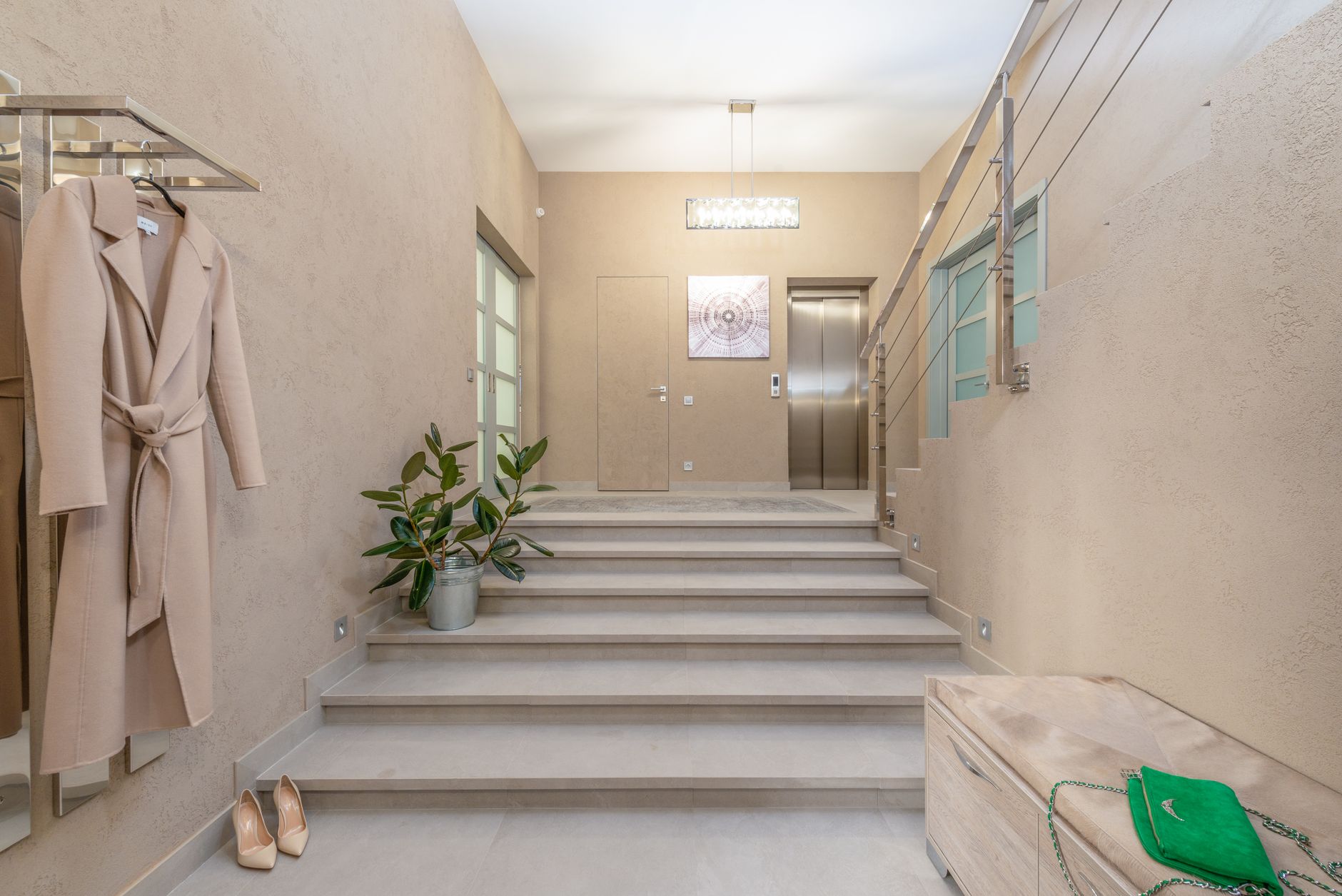
Nearly 30,000 meal orders across four months
Over four months the program handled nearly 30,000 food orders. They were meals rather than parcels.
Each trip took about 4 to 5 minutes, and delays stayed minimal even during the busy evening peak. The pace held when orders were heaviest.
A deputy community manager said the robots had significantly reduced the flow of outside personnel into the complex, the pressure the program was meant to ease.
What this means for apartment and condominium owners
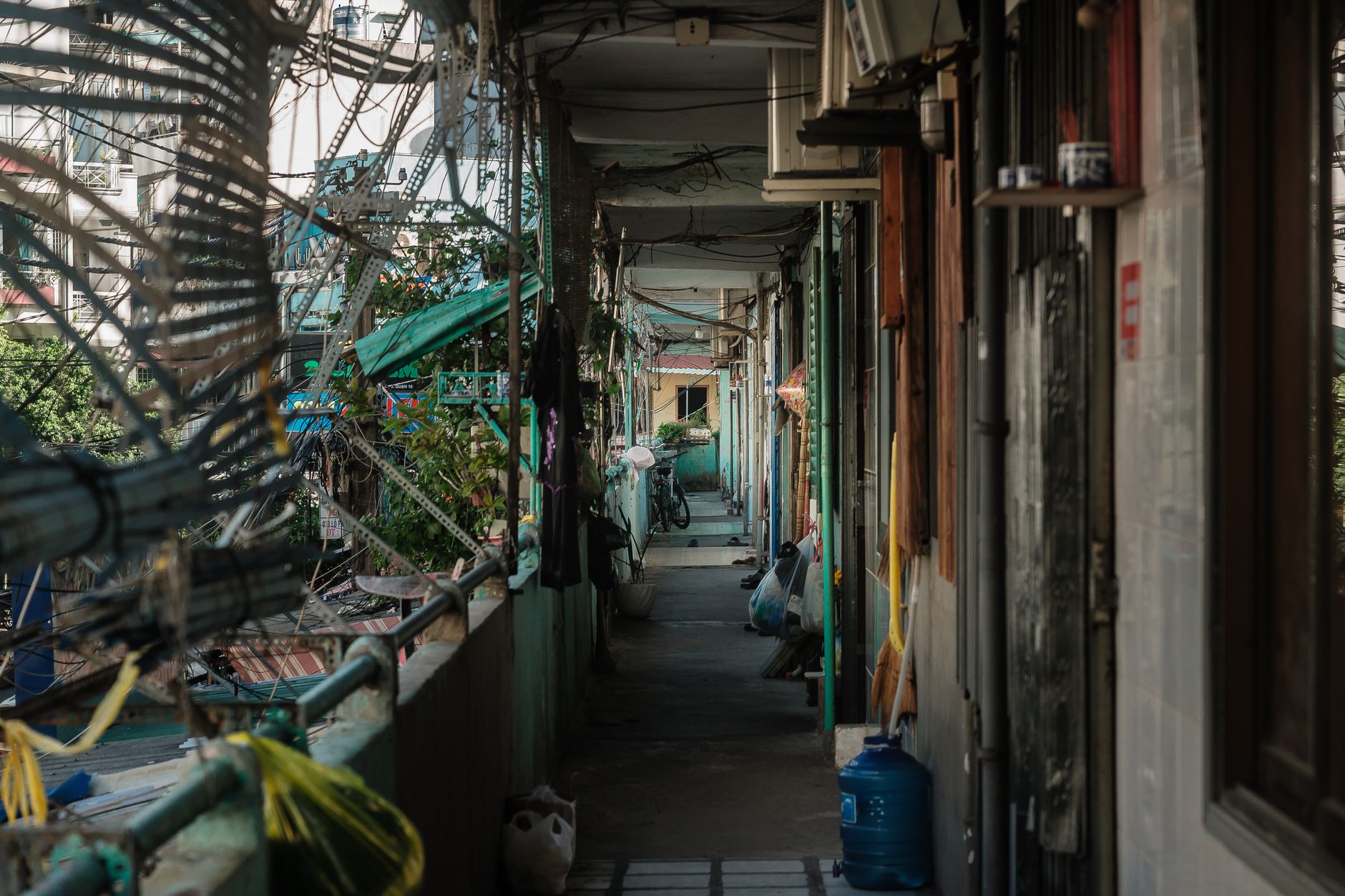
Owners and managers weighing delivery robots inside their buildings will ask what this complex asked: where the handoff happens, who waits at the gate, and how outside visitors are kept to a minimum. Robots that carry meals through access control and elevators move the handoff from the street into the building.
This deployment was not one of ours. Service Robot Co. is an OEM neutral integrator for US businesses, and our commercial robot leasing covers selection, deployment, training and service through a nationwide US engineer network. Each lease runs three years and is quoted after a site assessment.
Frequently asked questions
Want a robot working for you?
Tell us the job and the site. We will recommend the robot, quote the lease, and keep it serviced.