
a million-square-foot third-party logistics operation processing retailer returns putaway in the Midwest
How a Returns 3PL Raised Putaway Productivity 130% With Cart AMRs
A Midwest returns 3PL raised putaway from 124 to 285 lines per hour with cart AMRs, nearing one million monthly units while easing aisle congestion.
- 130%
- LPH gain
- 285 LPH
- Putaway rate
- 1M/mo
- Units put away
- 1M sq ft
- Facility size
Based on a documented real-world deployment. Figures are from public reporting; the organization is not named.
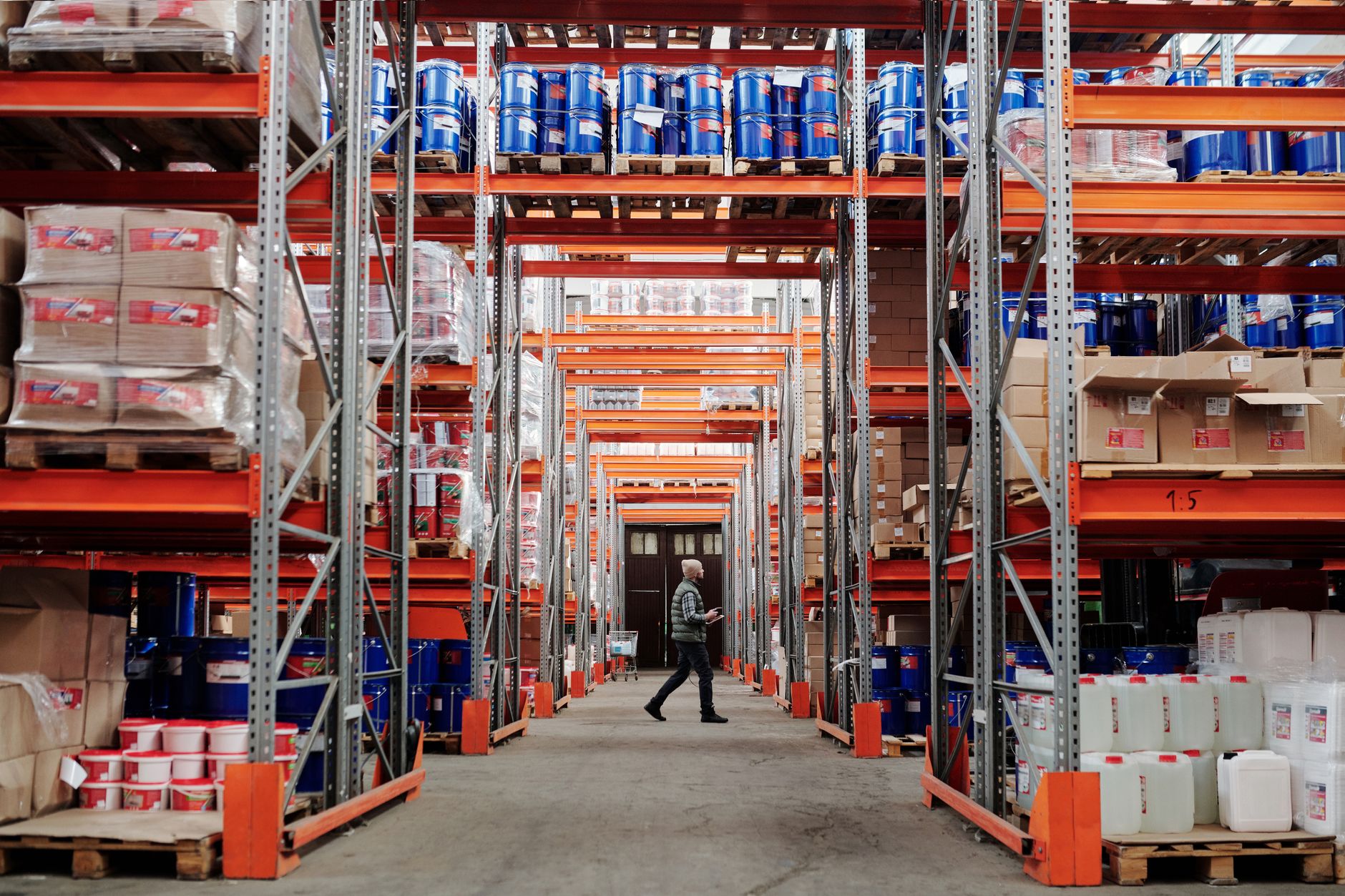
Manual cart pushes strained returns putaway
A million-square-foot third-party logistics operation processing retailer returns putaway in the Midwest relied on associates to push heavy baker's carts across a 30,000-square-foot zone to more than 500 Gaylord locations. The work created aisle congestion, fatigue, and a higher chance of contact injuries in a busy returns flow.
Leadership needed higher putaway throughput without adding headcount proportional to returned volume. They also wanted tighter accuracy on putaway transactions and a safer walk pattern for teammates who were already managing seasonal spikes from major retailers.
- 30,000 square feet of returns putaway with cart traffic
- More than 500 Gaylord destinations in the process
- Baseline near 124 putaway lines per hour before automation
Pair cart AMRs with returns optimization software
The operator selected autonomous mobile robots designed for cart-based putaway and integrated them with a returns optimization platform so disposition decisions flowed into robot tasks. Robots took over the long cart pushes while associates focused on sort quality and exception handling at pick faces.
Teams phased the rollout inside the returns zone, trained associates on handoffs, and used dashboards to watch lines per hour and monthly unit volume. Safety monitoring continued with a goal of reducing strain injuries tied to manual cart movement.
- Mapped congested aisles and defined robot meet points with pickers
- Connected returns software workflows to AMR task queues
- Tracked putaway lines per hour and monthly unit totals weekly
Throughput and safety gains on the returns floor
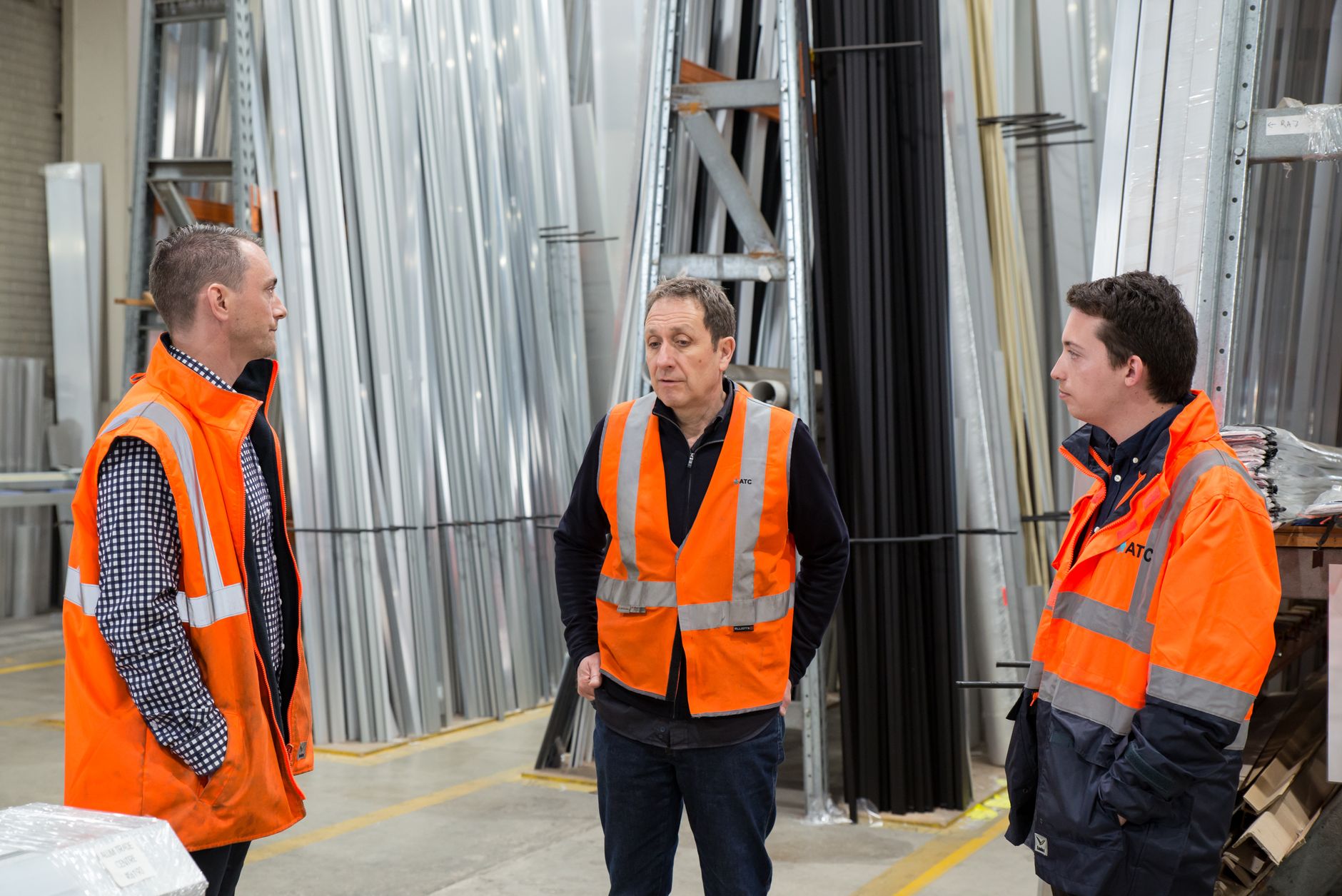
Average putaway productivity rose from a 124 lines-per-hour baseline to about 285 lines per hour, a 130 percent increase. Monthly putaway volume approached one million units while transaction accuracy improved and discrepancies dropped.
The site reported more than a year without an OSHA-recordable incident in the automated putaway area after reducing manual cart pushes. Associates spent less time fighting traffic and more time on value-added sort and putaway checks.
What other 3PLs can copy
Returns putaway is a magnet for cart traffic because volumes swing with retailer policies and seasonality. Warehouse robot leasing or buy paths for cart AMRs can start in one zone before you expand to forward pick or pack-out areas.
Service Robot Co. compares AMR vendors neutrally, then bundles financing, integration with WMS or returns tools, training, and RoboCare service. Pilots should publish a baseline lines-per-hour number before robots arrive so gains stay auditable.