
a historic public golf course in San Francisco operated under a municipal park trust
How a San Francisco Public Golf Course Saved 72 Weekly Labor Hours With Autonomous Greens Mowers
A historic San Francisco public golf course leased five autonomous greens mowers and reported about 72 weekly labor hours saved while staff handled bunkers and cups.
- 72 hrs
- Weekly saved
- 5 units
- Greens fleet
- Daily
- Mow and roll
- 11 staff
- Thin crew
Based on a documented real-world deployment. Figures are from public reporting; the organization is not named.
Greens labor on a shrinking crew
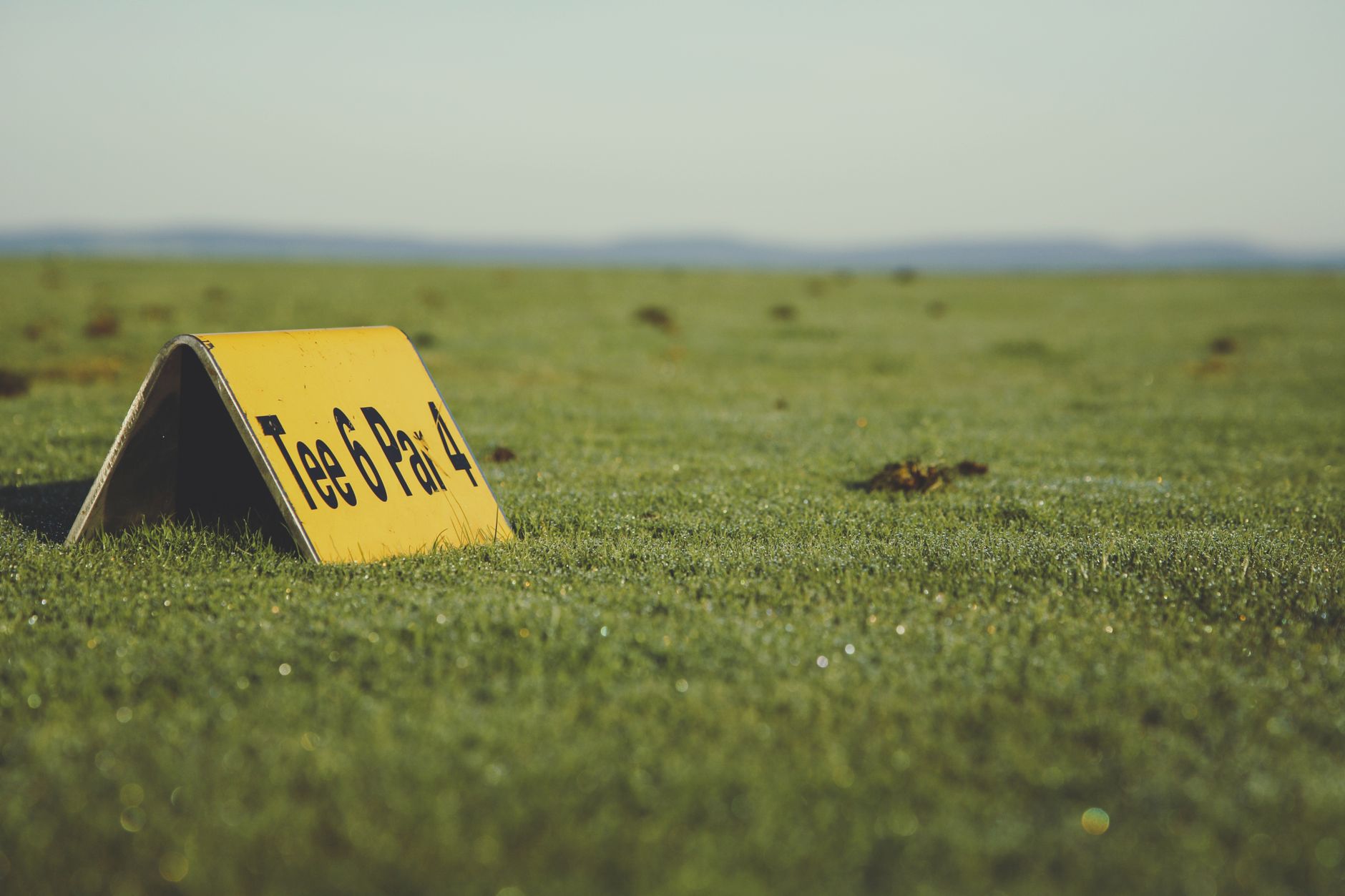
This historic public golf course in San Francisco runs under a municipal park trust with member expectations for fast, true putting surfaces. Walk mowing greens consumed skilled hours that also had to cover bunkers, cups, and detail work across a windy coastal site.
Hiring stayed difficult for several seasons, leaving roughly eleven maintenance staff where the operation once carried closer to fifteen plus a mechanic. Leadership needed daily greens conditioning without adding headcount or burning fuel on repeated walk-mow loops.
Leased autonomous greens units

The superintendent leased five compact autonomous greens mowers sized for putting surfaces. Each unit mows and rolls in one pass while an attendant supervises rather than pushing a walk mower.
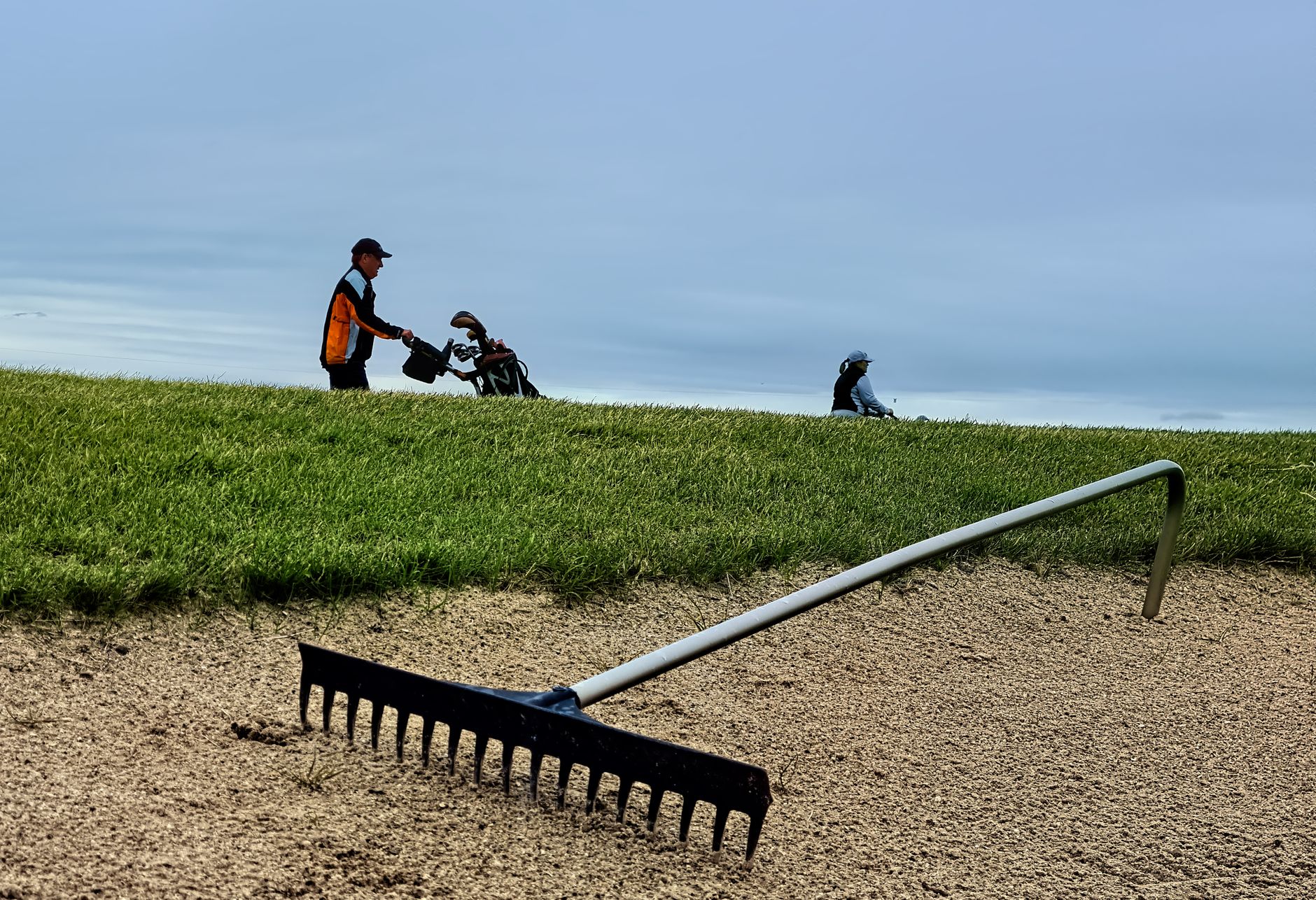
Crew members shifted to bunker raking and cup cutting while the autonomous loop ran. Leadership tracked labor weekly and treated the fleet as part of the normal morning greens routine rather than a separate project.
- Lease five autonomous greens mowers for year-round use
- Run daily mow-and-roll cycles on putting surfaces
- Pair each unit with an attendant for bunker and cup work
- Compare weekly labor against the pre-fleet baseline
- Keep legacy walk mowers as backup for tees and approaches
About 72 hours back every week
After roughly a year on the program, the superintendent reported saving about 72 labor hours per week compared with walk-mowing greens. Published comments also cite more than 70 hours saved, reflecting the same order of magnitude on a thin crew.
Members noticed more consistent putting conditions because greens could be mowed and rolled daily. Fuel use dropped relative to repeated walk-mower loops, and staff completed bunker work on a tighter cadence while the autonomous pass ran.
On staffing, leadership noted multi-year hiring struggles in the Bay Area market, which made reclaimed hours more valuable than adding another full-time role.
What this means for your course
This San Francisco example shows how autonomous greens mowing can return tens of hours weekly without pretending agronomy runs on autopilot. Service Robot Co. maps greens and surrounds, sets buy or lease financing, trains your point person, and supports the fleet through regional engineers under RoboCare.
Courses buy outright or lease through financing after a site walk. The integrator stays OEM-neutral so the mower fits your slopes, wind exposure, and member schedule rather than a single brand story.