
a Japanese manufacturer of car seat frames and stamped automotive parts
How a Seat-Frame Plant Cut Production Costs 35% With a Stamping Cobot
A Japanese seat-frame plant used a collaborative cobot and gripper on a stamping press without fencing, citing a 35% production cost reduction.
- 35%
- Cost reduction
- 0
- Safety fence
- 2
- Robot tools
- Press
- Tended cell
Based on a documented real-world deployment. Figures are from public reporting; the organization is not named.
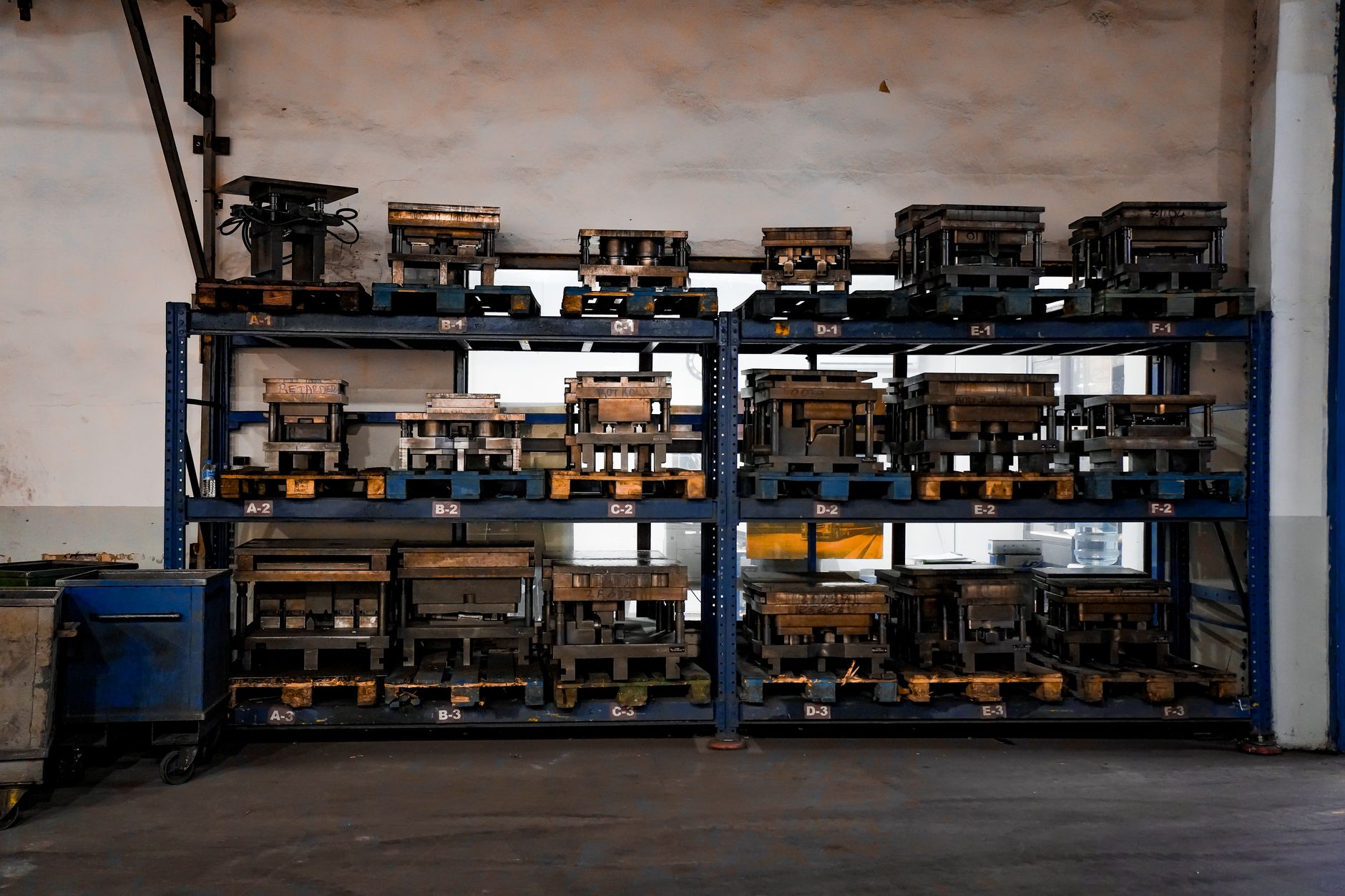
Stamping work with a shrinking labor pool
This manufacturer produces car seat frames and related stamped parts in a market where skilled manufacturing labor is harder to find. Operators had to load and unload a metal stamping press for long stretches, work that was repetitive and physically demanding.
Leadership wanted to tend the press without walling off the machine with traditional safety fencing, because employees still needed safe access for inspection and changeovers in a tight footprint.
- Staff repetitive press loading without adding headcount
- Keep humans able to approach the machine safely
- Avoid a large fenced robot cell in limited space
- Hold quality on stamped automotive parts
Collaborative tending without a fence line
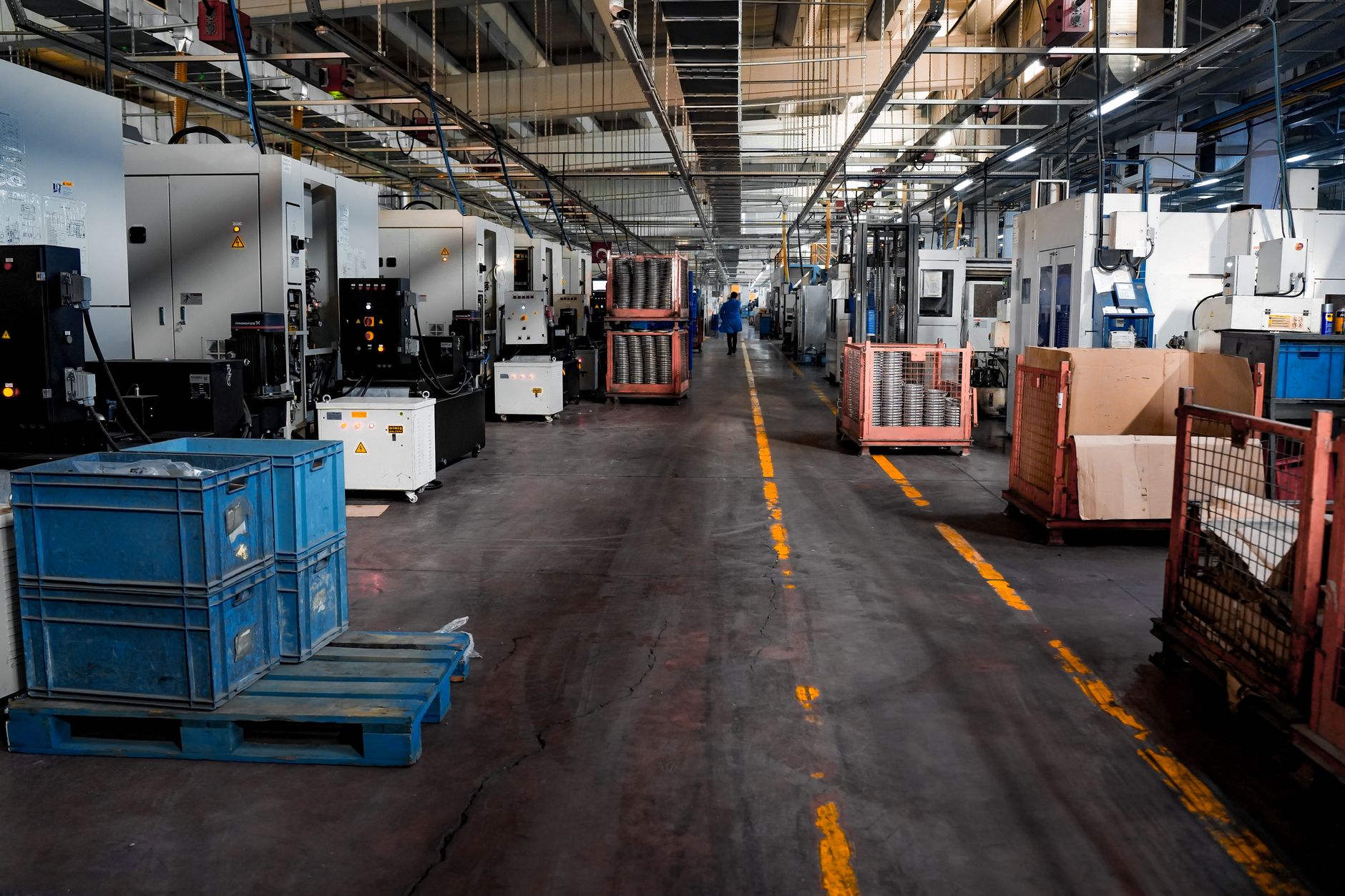
The documented rollout paired a collaborative robot with an electric gripper to load and unload parts on the stamping press. The application was sized to work alongside employees without a full safety fence, using collaborative safety concepts instead of isolating the entire cell.
Published reporting notes the integrator stack emphasized simplicity, which reduced engineering hours compared with typical hard automation projects. Operators were freed from standing at the press for hours and reassigned to higher-value work on the floor.
The case ties the cobot to one press-tending workflow rather than a plant-wide retrofit, which is how many manufacturers phase collaborative machine tending.
- Match gripper design to part geometry and cycle time
- Validate collaborative safety with real operator paths
- Program load and unload sequences on the live press
- Train staff on handoffs and exception stops
- Track cost and quality after the first production week
Documented cost reduction with safety intact
The IFR case study reports about a 35 percent reduction in overall production costs on the tended line while maintaining work safety and high-quality output.
Employees no longer had to perform the most strenuous repetitive motions at the press. Leadership cited both labor reallocation and simpler integration as contributors to the result.
The published account focuses on one collaborative tending cell; scaling would require repeating the same engineering discipline on additional presses.
What US stampers can borrow
This is a documented deployment analyzed by Service Robot Co., not a claimed client win. The pattern fits repetitive press or machine tending where fencing is impractical and collaborative safety is acceptable for the cycle.
Service Robot Co. stays OEM-neutral, models reach and cycle time before buy or lease financing, trains leads on stops and handoffs, and services cells under RoboCare nationwide. A free site assessment checks whether collaborative tending fits your press access and part presentation.