
a U.S. semiconductor manufacturer serving automotive and appliance markets
How a Semiconductor Fab Deployed Seven AMRs to Cut WIP Walking Miles
IFR-documented Polar Semiconductor added seven OMRON LD AMRs after mapping 40+ miles of internal WIP travel, redeploying operators to keep tools running.
- 7
- AMRs deployed
- 40+ mi
- WIP travel mapped
- LD 60/90
- Robot series
- WIP
- Central storage
Based on a documented real-world deployment. Figures are from public reporting; the organization is not named.

Long internal walks and scarce skilled labor
Polar Semiconductor produces chips for automotive and white goods customers and needed to shorten material travel while scaling production, according to the IFR case.
Process mapping showed more than forty miles of internal movement over a product lifecycle before automation, while hiring skilled operators for repetitive transport remained difficult.
- Move WIP from central storage to multiple fab points
- Navigate narrow passages shared with people
- Keep specialists on equipment instead of walking lots
- Justify investment with simulation before deployment
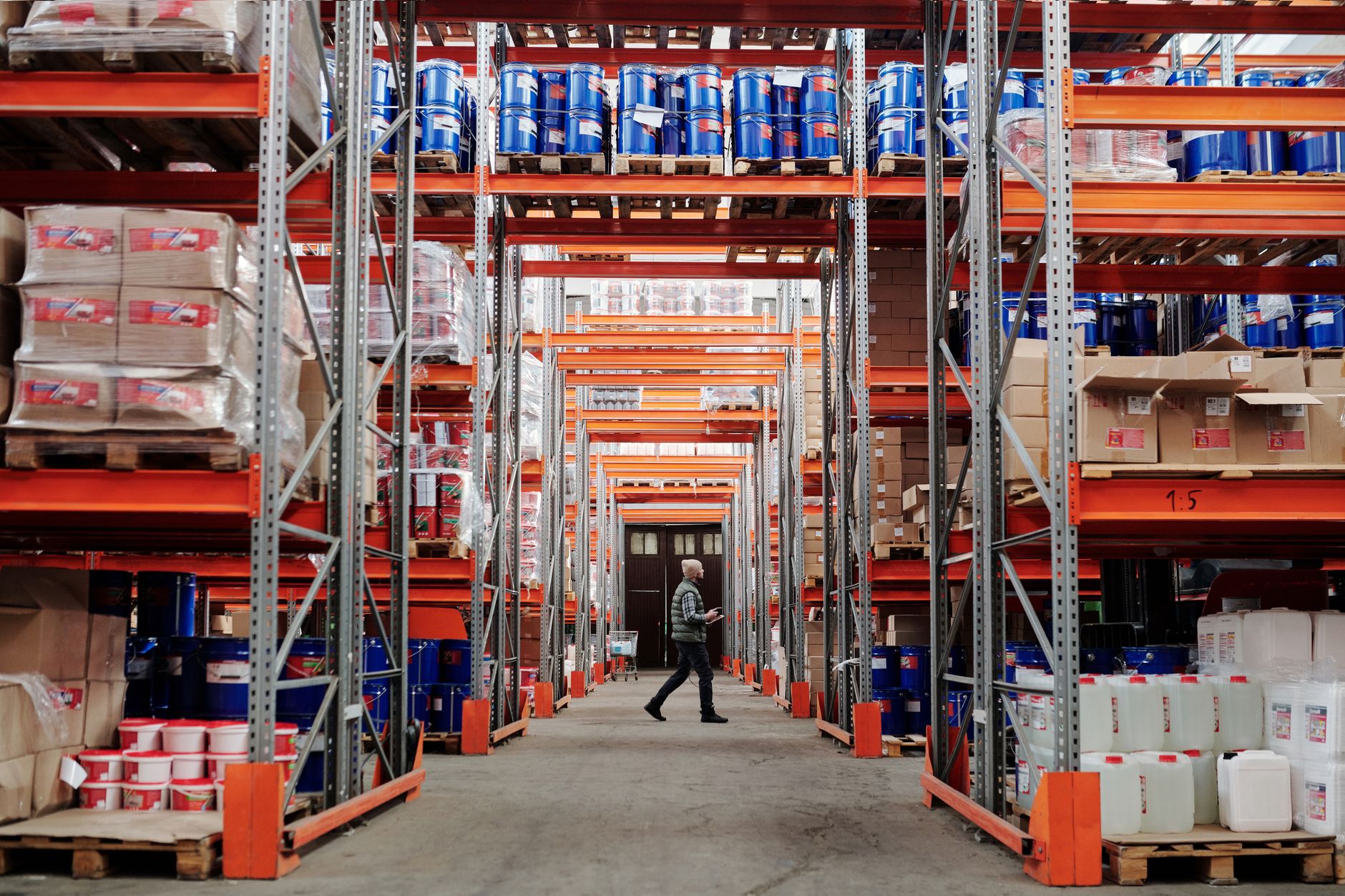
Seven self-navigating AMRs on mapped routes
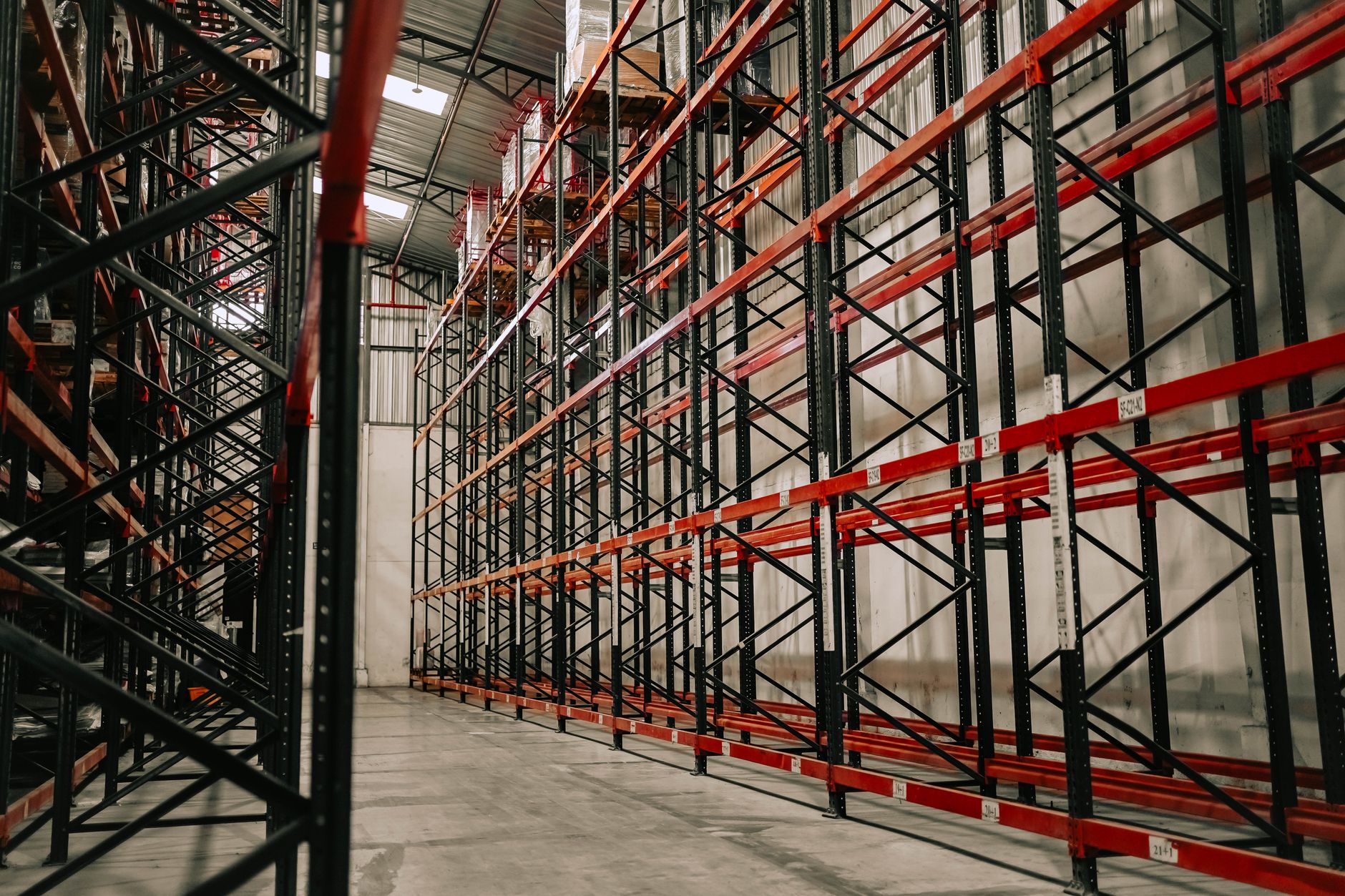
Polar added OMRON LD 60/90 mobile robots designed for dynamic material moves in confined, human-present aisles, per the IFR article.
The team ran detailed simulation and mapping with OMRON, analyzing transport speeds across the full production line before committing to the fleet.
Seven robots now move material from the main WIP warehouse to fabrication stations autonomously, with OMRON engineers supporting setup and ongoing improvements.
- Map existing walk distances and WIP flows first
- Simulate line speeds and robot cycle times
- Deploy seven AMRs on repeated WIP legs
- Train operators alongside early runs
- Keep vendor engineering support during rollout
Documented operator and flow gains
Industrial engineer Darren Desmarais told IFR the robots move WIP quicker without pulling operators off the equipment they tend, with maneuvering compared to how a person would travel.
The source describes initial skepticism giving way to acceptance as lots arrive at tools on time and walking miles drop across the fab.
Polar credits the fleet with better productivity, smoother workflows, and a more streamlined semiconductor process overall in the IFR summary.
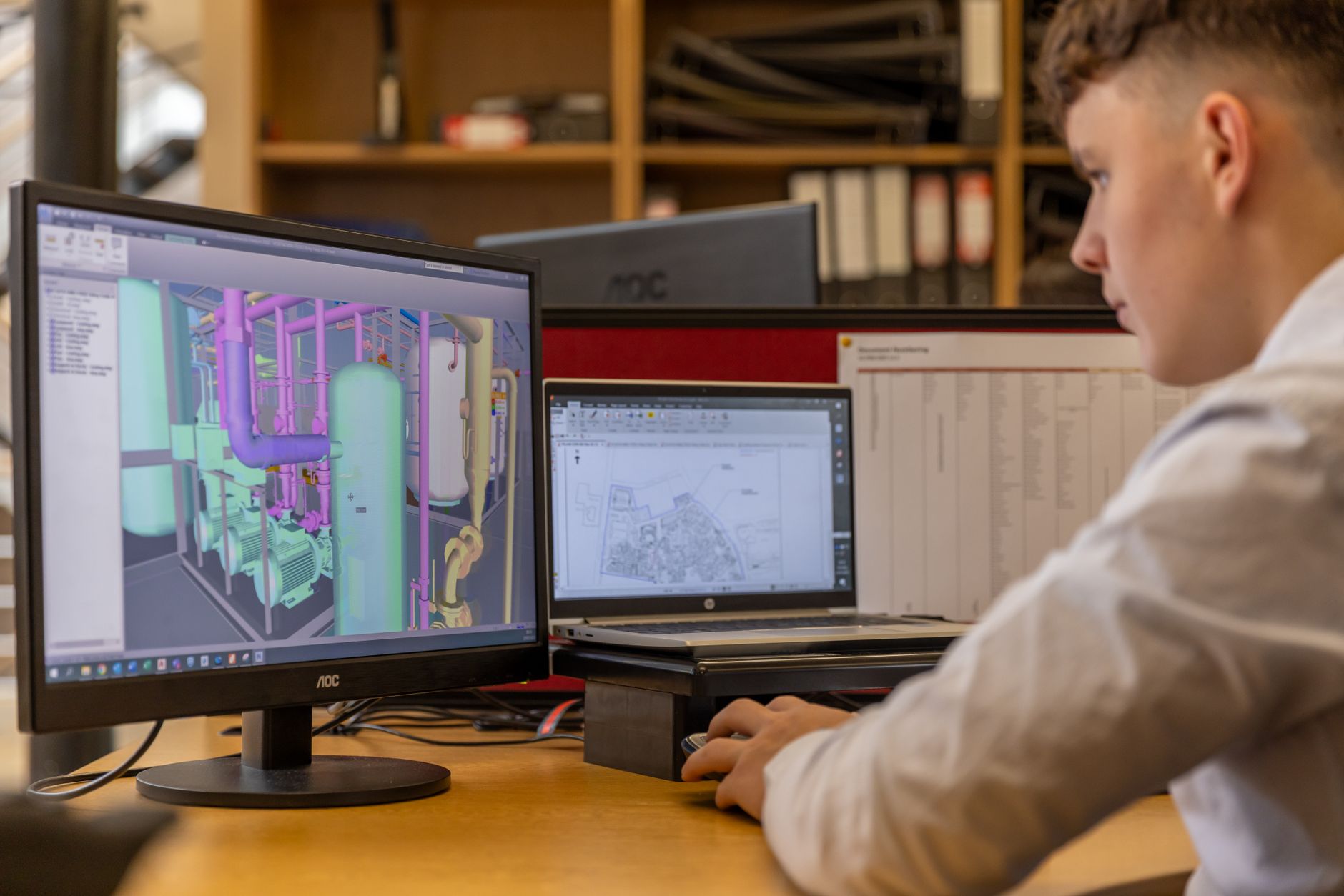
What U.S. plants can take from the pattern
This is a documented deployment analyzed by Service Robot Co., not a claimed client win. The transferable idea is quantifying walk miles on WIP loops, then sizing a small AMR fleet for the longest repeated legs.
Service Robot Co. maps similar WIP, tug, and conveyor handoffs, then finances, deploys, trains, and services OEM-neutral mobile robots under RoboCare nationwide. A free site assessment checks aisle widths, traffic, and charging before you buy or lease.