
high-mix sheet metal fabricators running laser cutting and manual part sorting
How a Sheet Metal Fabricator Sorted Laser-Cut Parts With Zero New Robot Programming
IFR-documented TRUMPF SortMaster Vision uses CAD-native AI to sort laser-cut sheet metal to pallets without manual robot programming, even on overlapping parts.
- 0
- Teach per new part
- CAD
- Native vision
- 2
- Sort phases
- DE
- Live deployments
Based on a documented real-world deployment. Figures are from public reporting; the organization is not named.
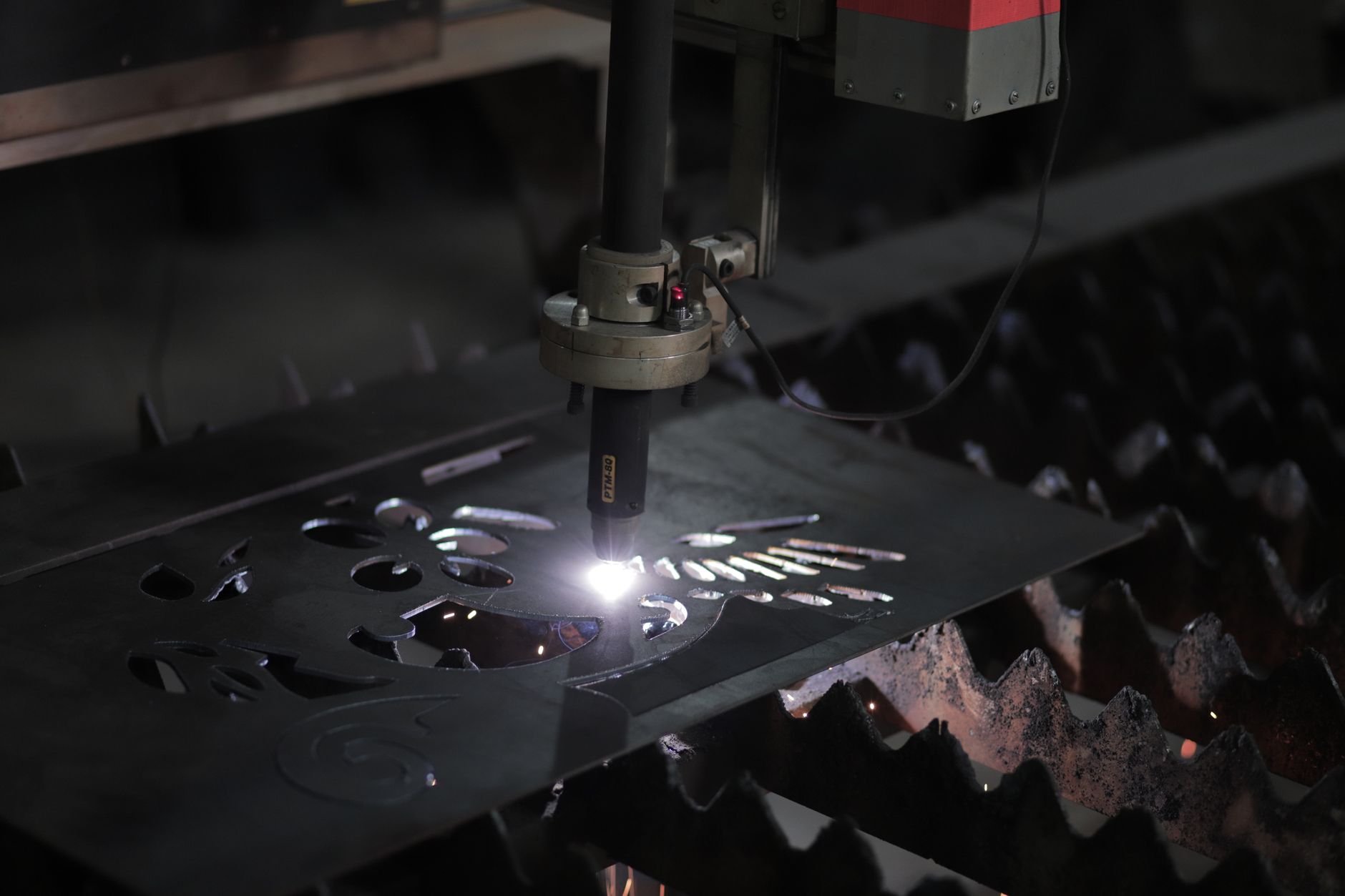
Manual sorting blocked high-mix laser output
Sheet metal shops laser-cut nested parts quickly, then spend tiring hours separating pieces from the skeleton and sorting them to pallets. In high-mix, high-volume shops that work often stays manual.
Traditional robot cells need expert programming for every new geometry, which clashes with small custom batches and short-notice orders. Overlapping parts only a few millimeters apart make vision and picking even harder.
- Remove cut parts from laser skeletons reliably
- Sort varied geometries without long teach sessions
- Avoid double-picks when parts barely overlap
- Support unattended runs after cutting shifts

Two-stage SortMaster with CAD-based vision
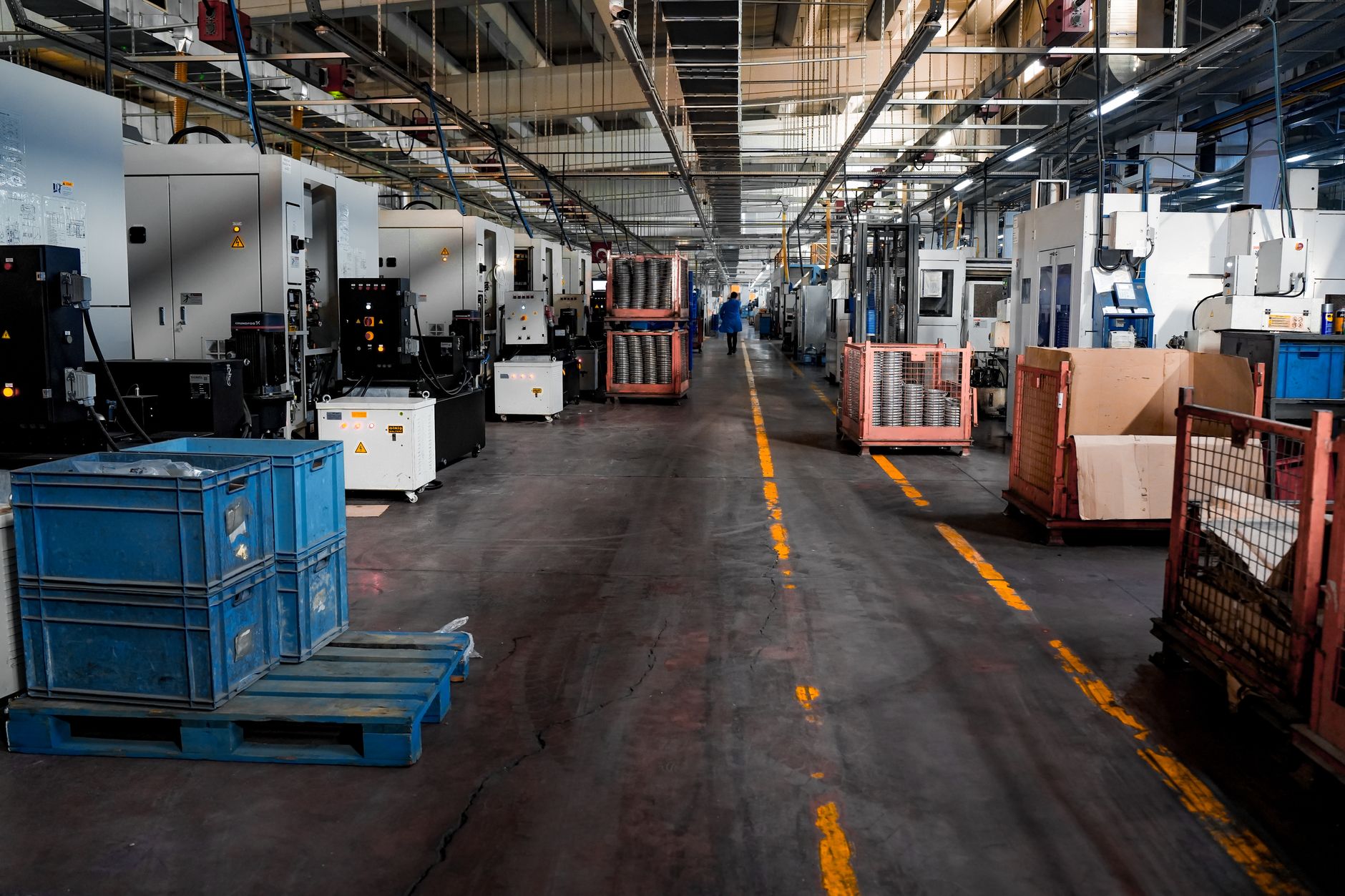
The IFR case describes TRUMPF SortMaster as a two-phase system. A station first separates cut parts from the remaining skeleton, then SortMaster Vision uses a Fanuc R-2000iC/210L class robot to sort freed parts onto pallets and bins.
Intrinsic's vision model works from CAD data supplied by CAM software rather than customer-specific training runs. Segmentation and pose estimation identify which part sits on top when sheets overlap by millimeters.
Starmatik supported hardware integration and gripper design for industrial performance. The goal is a see-and-sort workflow that adapts when new parts appear without manual reprogramming.
- Feed CAD models from CAM into the vision stack
- Separate skeleton and parts before bin sorting
- Use RGB cameras with multi-view reasoning
- Design grippers for varied sheet metal parts
- Plan for lights-out sorting after laser shifts
Documented flexibility and reliability gains
Published reporting says the vision-enabled cell can sort parts that conventional removal methods could not handle, offering a fully automated separate-and-sort path for difficult geometries.
TRUMPF cites deployments at sheet metal manufacturers in Germany and states the AI-assisted process is more reliable than their conventional machine sorting approach in those field validations.
The IFR account frames the outcome as higher productivity and flexibility for machine shops facing urgent custom batches, not a single universal cycle-time percentage.
What U.S. fabricators can take from the pattern
This is a documented OEM and platform collaboration analyzed by Service Robot Co., not a claimed client win. The transferable idea is CAD-linked vision for high-mix picking when teach-pendant programming cannot keep pace with part variety.
Service Robot Co. evaluates similar post-cut sorting, machine tending, and warehouse picking needs, then finances, deploys, trains, and services OEM-neutral cells under RoboCare nationwide. A free site assessment checks whether vision-guided sorting fits your parts, lighting, and safety rules.