
a full-service restaurant in Shenzhen with about sixteen hundred square meters of floor space and eighty tables
How a Shenzhen Restaurant Ran 210 Daily Plate Collections With Robots
A documented Shenzhen restaurant with eighty tables reported 210 daily plate collection cycles after a one-day robot install on a thousand-square-meter dining floor.
- 210
- daily collections
- 80
- tables served
- 1 day
- install window
- 1000 m²
- dining floor
Based on a documented real-world deployment. Figures are from public reporting; the organization is not named.
Bussing loops stole time from the dining room
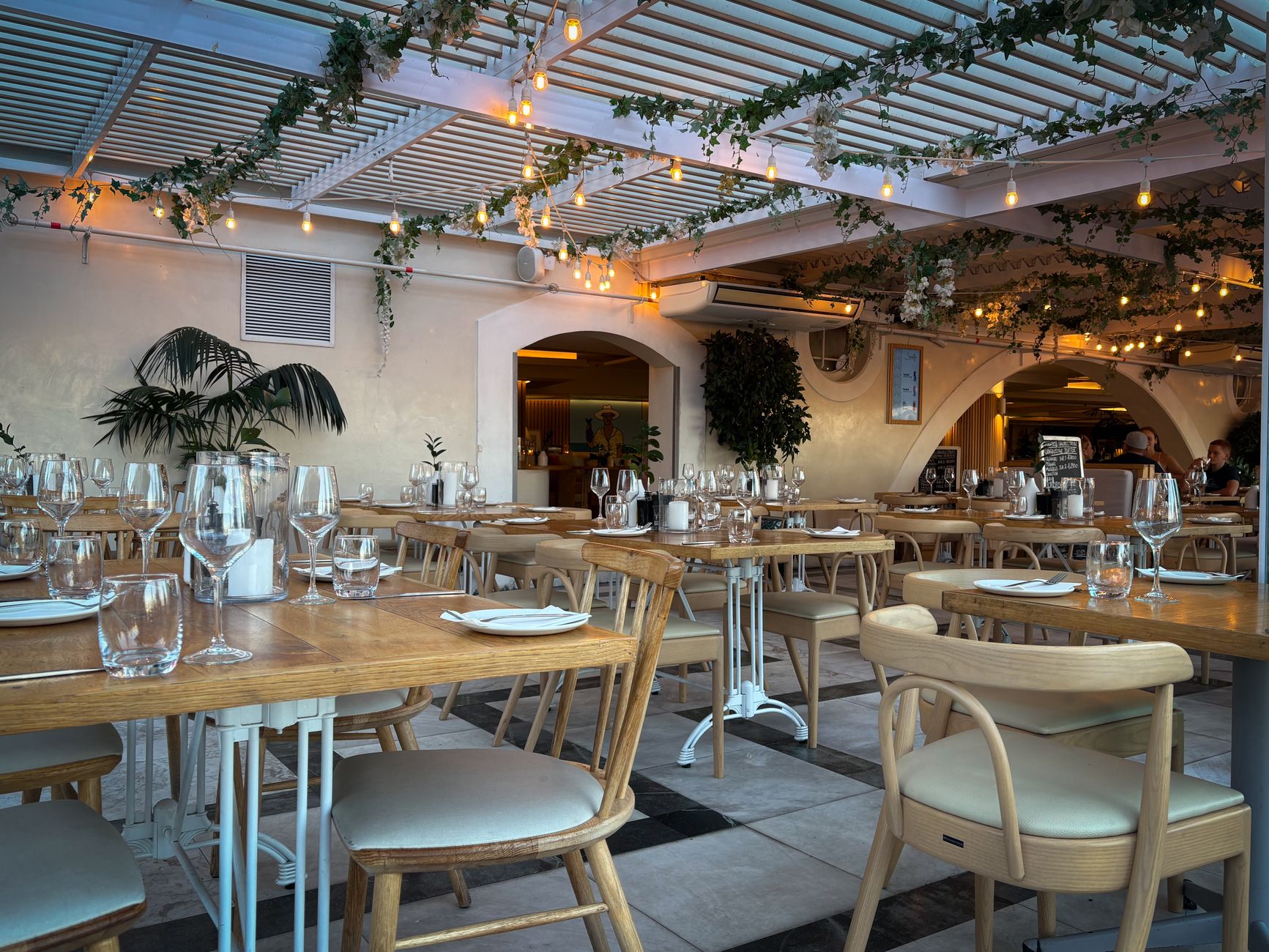
A full-service restaurant in Shenzhen with about sixteen hundred square meters of floor space and eighty tables needed faster turns during peak lunch and dinner blocks. Servers spent long stretches clearing stacked plates and walking them to the dish area instead of greeting new guests or resetting tables.
The dining floor alone covered about one thousand square meters, so each collection trip added steps that compounded across eighty active tables. Managers could add bussers on busy nights, but the work stayed repetitive and physically tiring.
- Eighty tables generated steady plate volume across long service hours
- Wide floor plans lengthened every bussing trip
- Peak covers made manual collection the bottleneck before the next seating
A dish-collection robot answered pager calls at tables
Leadership introduced an indoor dish-collection robot designed to receive table calls, roll to the guest, and carry stacked plates back toward the wash area on mapped routes. Staff could trigger runs from pagers or voice cues so the unit met servers where they were finishing a table.
The install team brought the robot live in one day with a single installer, which mattered because the dining room could not afford a long closure on a thousand-square-meter floor. Supervisors coached hosts on when to release the robot so it complemented, rather than blocked, human runners during rush.
- Mapped paths across the full dining footprint
- Pager and voice triggered collections at occupied tables
- One-day deployment with a lean install crew
Published data shows 210 collection cycles per day
Operating figures in the public case material cite a daily plate collection capacity of 210 runs after go-live. That volume covered the steady clearing work across eighty tables without dedicating a full role to nonstop bussing loops.
The same source lists about sixteen hundred square meters of total venue space with roughly one thousand square meters of dining area, which explains why automating the return leg mattered more than shaving a minute per trip. Managers reported the robot as part of the normal floor rhythm rather than a demo during slow hours.
What US restaurants can take from the bussing pattern
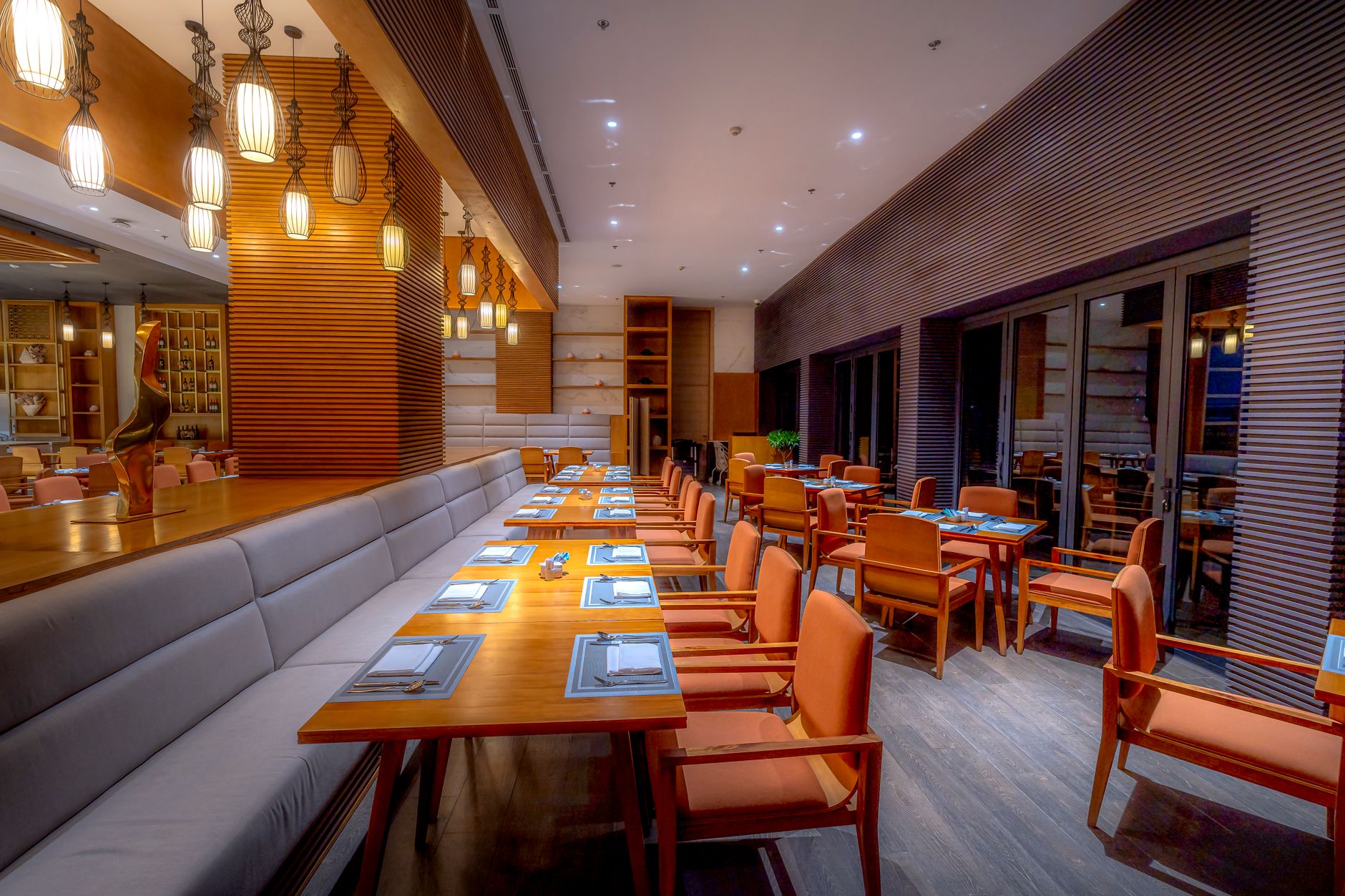
This Shenzhen dining room is not a Service Robot Co. customer. It shows how dish-collection robots earn labor back when the pain is distance and repetition across a large dining floor.
US chains and independents comparing service robot rental or lease options can treat bussing and dish return as its own workflow, separate from food delivery robots that run hot meals outbound. One integrator can match the right collection unit, finance buy or lease with monthly payments, map the dining room, train staff on pager handoffs, and support the fleet under RoboCare after go-live.
If your dining footprint measures in thousands of square meters with dozens of tables, counting daily collection cycles before and after deployment is the honest ROI conversation. Two hundred ten documented runs sets a concrete benchmark for what a single robot can absorb in one shift.