
a Singapore general hospital running a proof-of-value robot pilot
A Singapore General Hospital's Delivery Robot Pilot Estimates 3.5 Hours Saved Daily
A Singapore general hospital's proof of value pilot tested robot runs for belongings and food between registration and inpatient wards, with staff feedback.
Deployment at a glance
- 5.31 FTE
- Up to FTE savings in an outbreak scenario estimate
- 3.5 hrs
- Hours saved per day in the pilot, estimated from task time
- 105
- Scenario deliveries per day across 14 general wards
- 80%
- Staff reporting satisfaction with the pilot
Based on a documented real-world deployment. Figures are from public reporting; the organization is not named.
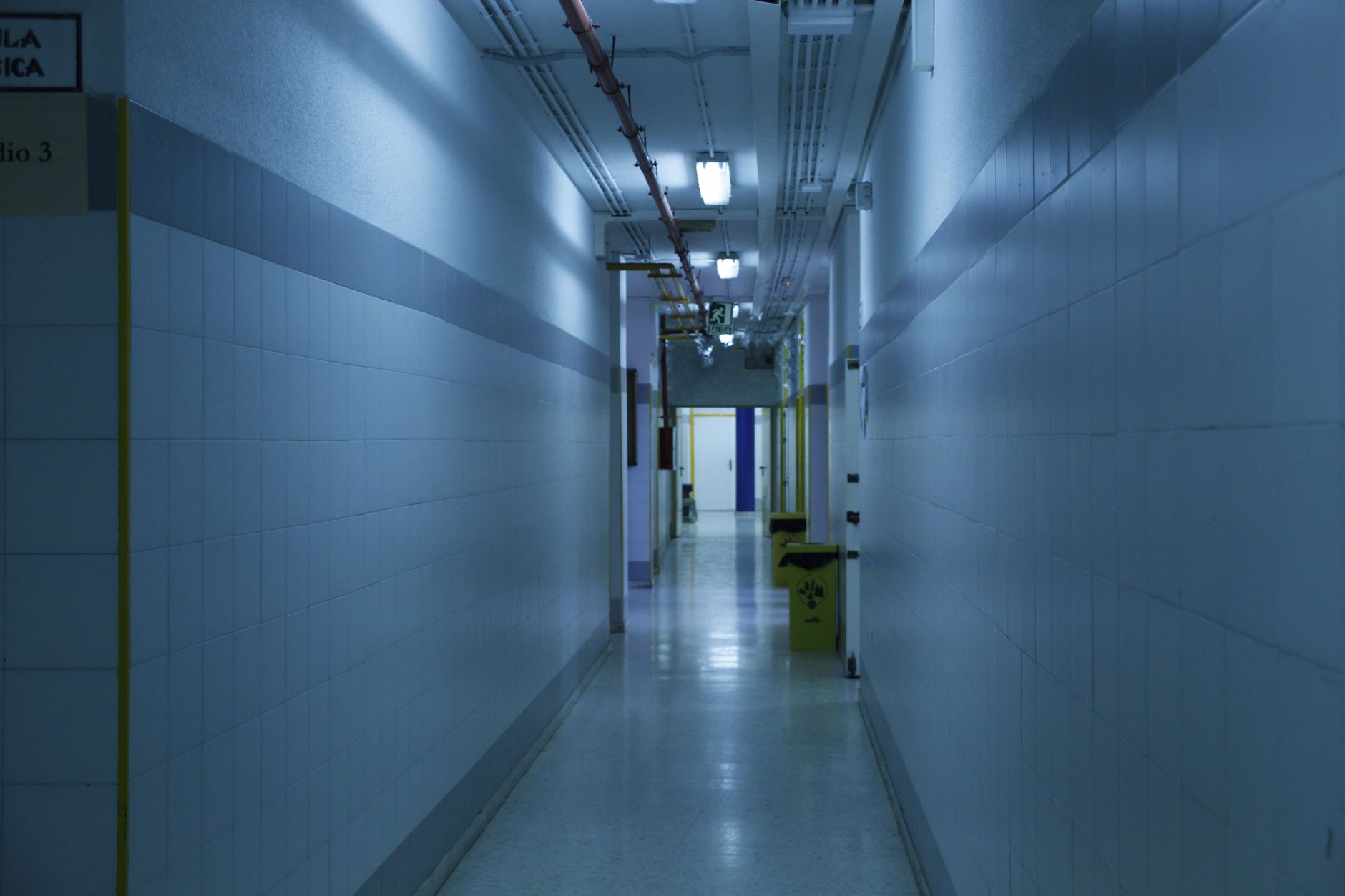
Outbreak planning meets a daily run that already strains staff
Outbreak preparedness is a planning exercise that rarely gets tested until it is needed. When a general hospital must scale up wards, staff, and supplies at short notice, the routine trips between a registration counter and an inpatient ward multiply. Patient belongings and meals still have to travel, and every trip ties up a person who could be doing clinical work.
On the existing baseline, 13 deliveries per day served 7 wards. The outbreak scenario the hospital modeled was far heavier, at 105 deliveries per day across 14 general wards. Covering that load with people alone would have meant reassigning staff at the moment they were hardest to spare.
- Baseline: 13 deliveries per day across 7 wards
- Outbreak scenario: 105 deliveries per day across 14 general wards
- Items: patient belongings and food, moving from registration counters to inpatient wards
A proof of value trial on the registration to ward route
The hospital set out to test whether autonomous mobile robots could take over the last mile of these runs. The trial was framed as a proof of value, asking two plain questions: whether the work was feasible on real hospital routes, and how many staff hours it could free up. It was not presented as a finished rollout.
Robot deliveries of patient belongings and food between registration counters and inpatient wards were reported as feasible. The robot platform is not identified in the reported results, so this account describes the route and the tasks rather than the hardware.
- Route: registration counters to inpatient wards
- Tasks: delivery of patient belongings and food
- Assessed: feasibility, manpower savings, and staff satisfaction
Pilot outcomes, with each figure in its proper frame
The demonstrated saving was 3.5 hours per day. This figure is an estimate built from task time rather than measured against a controlled baseline, so it works as a planning estimate for the pilot routes, not a verified productivity gain.
The headline figure of up to 5.31 FTE belongs to an outbreak scenario. It assumes 105 deliveries per day across 14 general wards, against a baseline of 13 deliveries per day across 7 wards. It projects what the same approach could cover under surge conditions. The pilot did not deliver that figure.
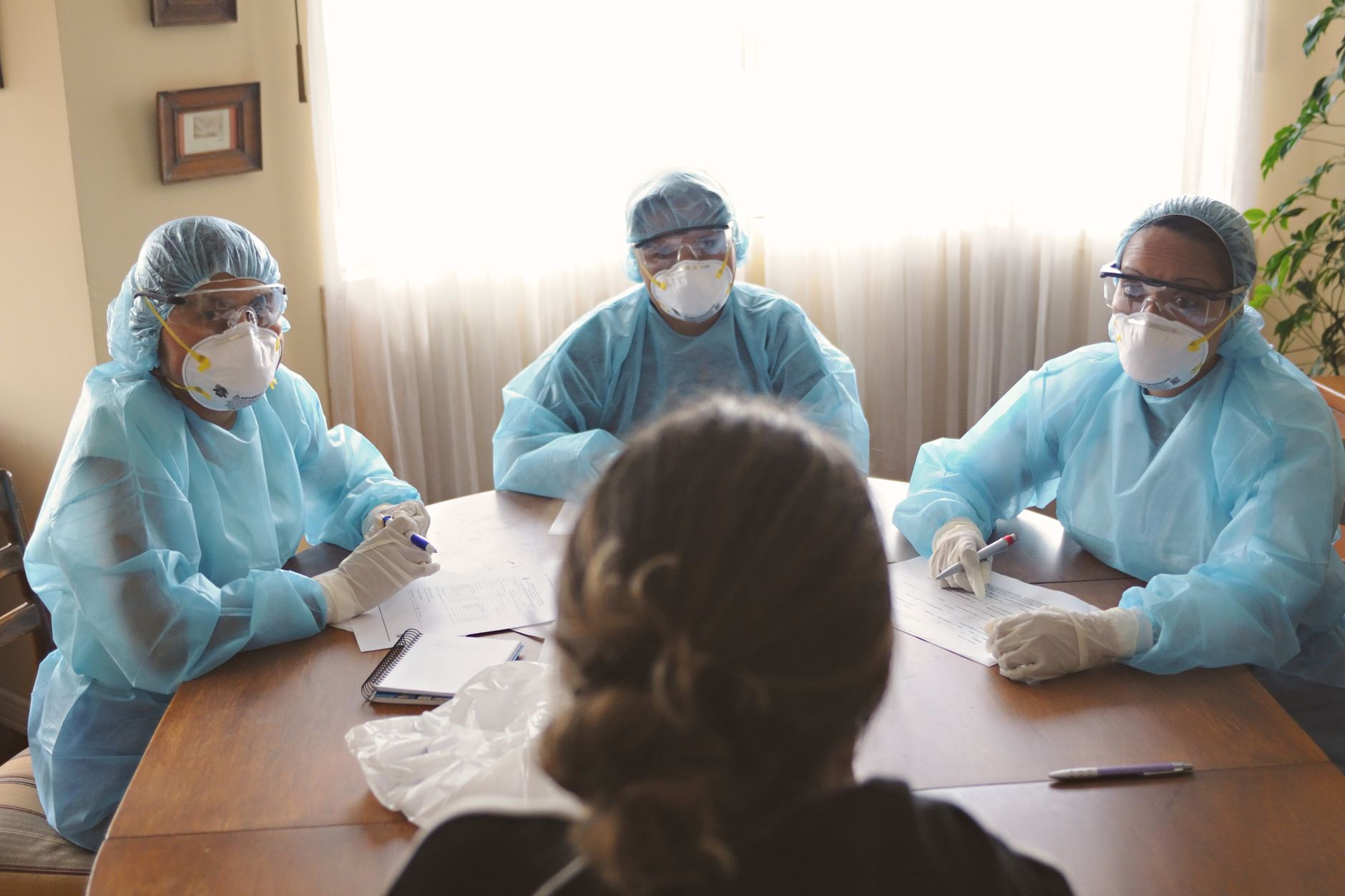
Staff response was positive, with 80% of staff reporting satisfaction. Together with the feasibility of belongings and food runs, the pilot points toward a credible next phase, though it stops short of proving a full deployment.
What a pilot like this asks of a hospital operator
This is not a Service Robot Co. deployment, and we did not run it. It is a useful map of what a sound robot pilot looks like, and it shows why the measurement plan matters as much as the hardware. A vendor neutral robot integrator earns its place at the point where a pilot becomes a plan.
We are a full service, OEM neutral commercial robot integrator for US businesses. We select robots across manufacturers, arrange financing, handle robot deployment and integration, train staff, and service every unit through a nationwide US engineer network, with one partner to call. A pilot can start with one leased unit on a three year lease, with one fixed figure quoted after a site assessment.
Before any hardware is chosen, a site assessment maps the floors, doors, lifts, and counters the robot must use, and the baseline gets written down so any saving can be checked later. Robot lease options are easier to compare once the route is mapped.
Frequently asked questions
Want a robot working for you?
Tell us the job and the site. We will recommend the robot, quote the lease, and keep it serviced.