
a private 18-hole championship golf club in Southern California
How a California Championship Club Reclaimed 2,000 Fairway Mowing Hours
A Southern California private championship club doubled fairway mowing frequency while saving about 2,000 labor hours a year with three autonomous electric fairway mowers.
- 2,000
- Hours saved yearly
- 6x
- Fairway mow freq.
- 4.5 hr
- Course mow window
- 3
- Autonomous units
Based on a documented real-world deployment. Figures are from public reporting; the organization is not named.
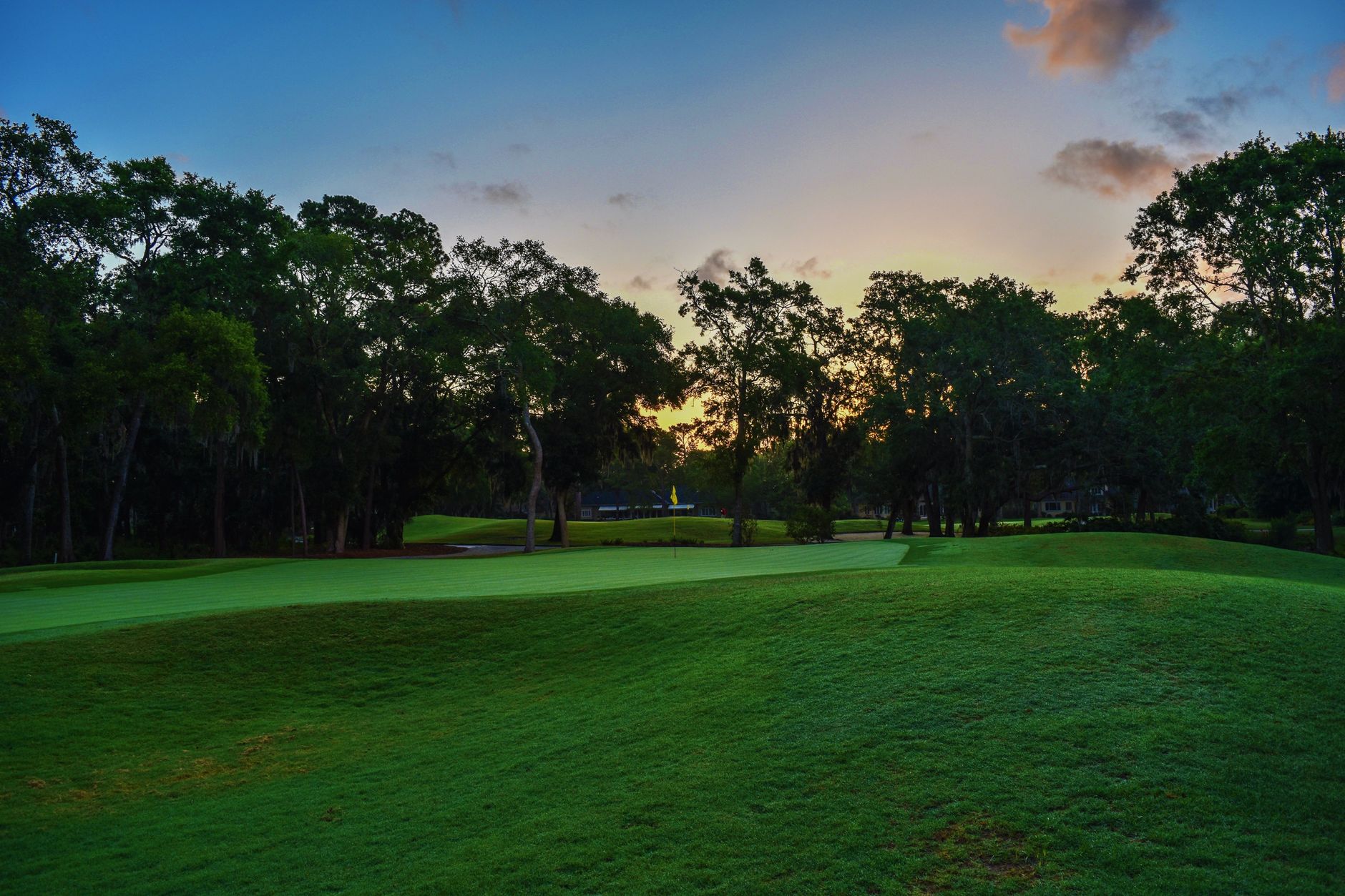
Fairway labor ate the agronomy calendar
The club runs a large championship layout where fairway quality sets member expectations. Diesel fairway mowers needed operators on the seat for every pass, and the team could only cover fairways about two to three times each week before morning play.
That cadence left little room for bunker presentation, collar work, and the hand mowing golfers notice. Hiring more operators was not a steady answer in a tight labor market, and fuel use on repeated fairway loops added operating drag.
- Fairway mowing tied up skilled operators on long straight passes
- Mowing frequency was capped by staff hours and play windows
- Presentation tasks competed with seat time on fairway units
Mapped autonomy on fairways only
Leadership trialed three all-electric autonomous fairway mowers from the robot supplier and mapped fairway strips the units could run without touching greens, tees, or bunkers. The machines use a wide skip-row pattern so each pass covers more ground than a traditional fairway strip.
Crews start before dawn so autonomous runs finish around 9 to 9:30 a.m., ahead of the first groups. Charging and route planning stay with the agronomy team, while operators shift to detail work while the mowers run.
- Pilot fairway routes and geofenced stay-out zones
- Set overnight and early-morning schedules around tee times
- Train one staff lead to monitor runs and charging
- Keep greens, tees, bunkers, and trim on manual programs

More cuts, fewer seat hours

After more than two months of daily use, the club reported doubling crew productivity on fairway work. Fairways now receive about six mowing cycles per week, up from roughly three, while the three autonomous units complete the full routing in about four to four and a half hours.
Public reporting from the robot supplier attributes about 2,000 labor hours saved per year to the change, with staff hours redirected to hand mowing, bunker maintenance, and presentation tasks golfers feel on the ground.
What this pattern looks like for your course
This club did not buy autonomy to chase a gadget headline. They bought back fairway seat time so superintendents could manage turf instead of driving loops.
Service Robot Co. helps U.S. courses evaluate autonomous fairway mowing with a vendor-neutral shortlist, financing for buy or lease paths, on-site mapping, staff training, and ongoing service through RoboCare™. A free site assessment turns fairway acres, play windows, and crew skills into a phased plan that keeps greens and tees in human hands.