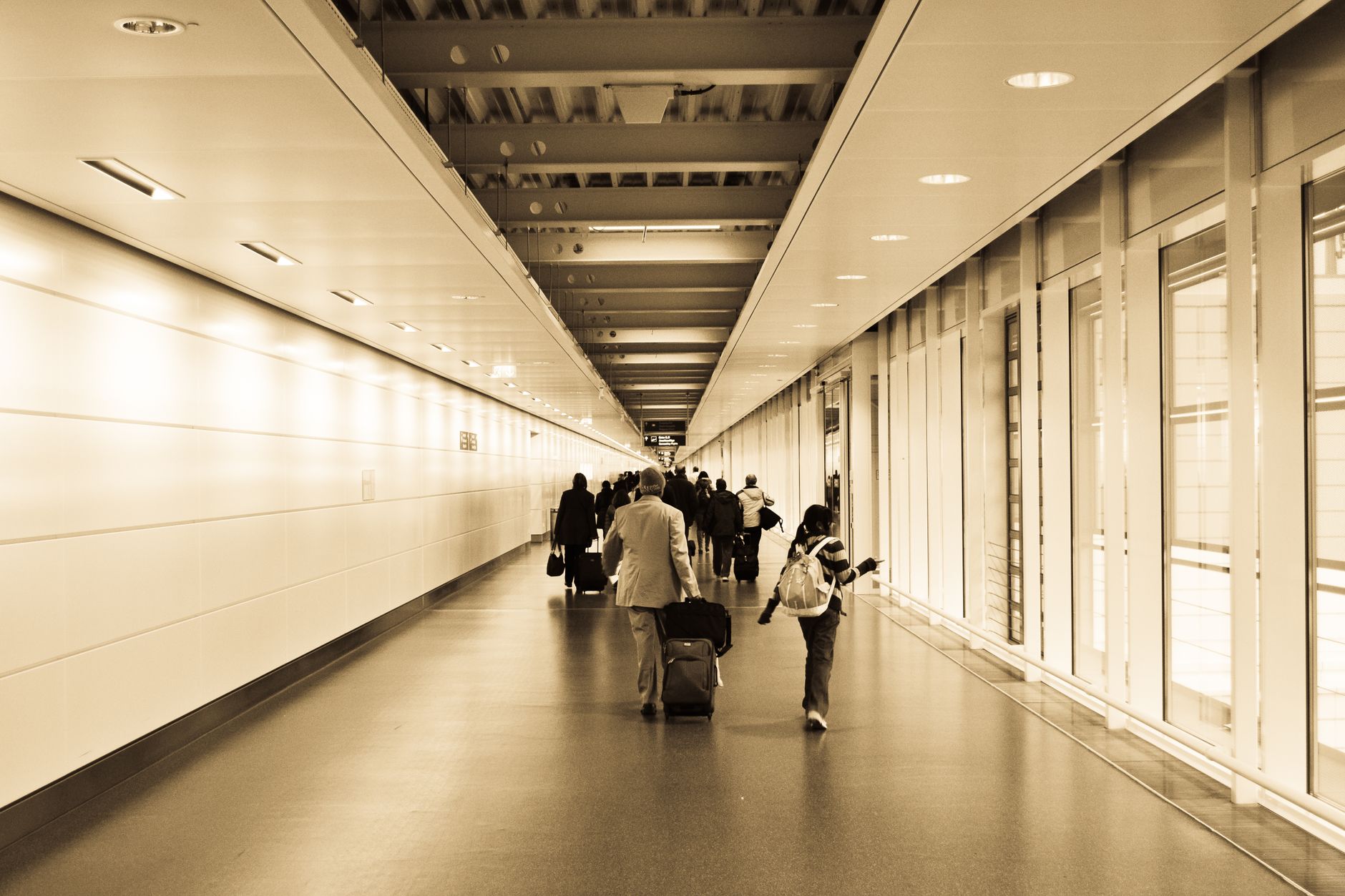
a heavy-rail metro operator managing multiple stations in southern China
How a Southern China Metro Line Freed Up to Two Cleaners Per Station
Metro case study: autonomous sweepers cover up to 4,000 sq m concourses per station, freeing one to two cleaners while passengers keep moving.
- 4,000
- Sq m concourse
- 1-2
- Staff freed
- 20
- Line 13 units
- 24/7
- Passenger flow
Based on a documented real-world deployment. Figures are from public reporting; the organization is not named.
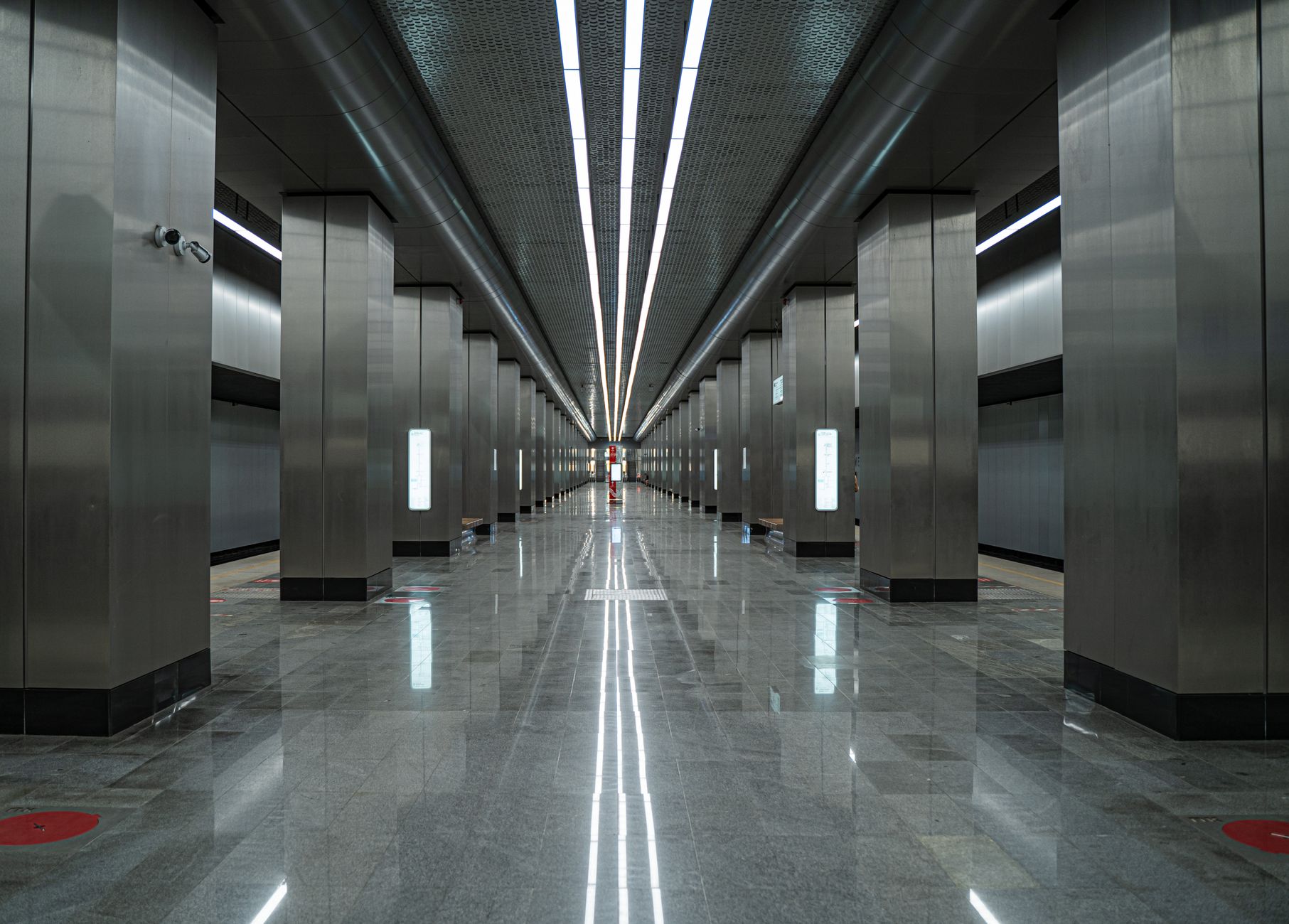
Cleaning while stations never fully close
A heavy-rail metro operator managing multiple stations in southern China runs concourses that collect grit and moisture tracked in from the street all day. There is no quiet overnight window on many lines, so floor care has to happen while passengers move through peak flows.
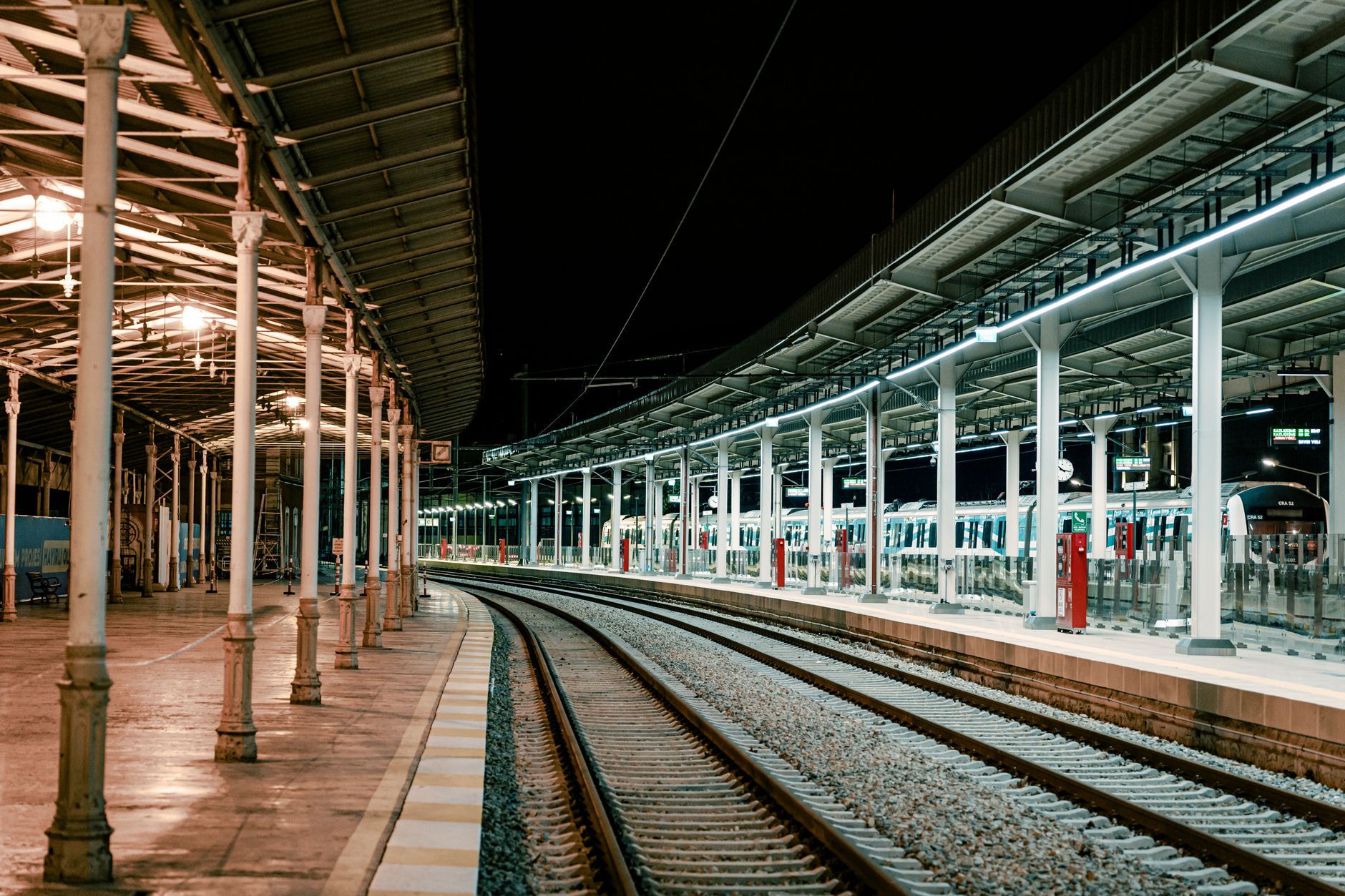
Platforms only open for deep cleaning after the last train, leaving a short middle-of-night window on roughly nine hundred square meters of tile. Hiring enough cleaners to hold that standard across every station was costly and inconsistent shift to shift.
- Concourses between about two thousand and four thousand square meters
- Continuous passenger traffic through peak periods
- Short overnight platform cleaning windows
Autonomous sweepers on concourses and platforms
Leadership deployed compact autonomous floor sweepers from the robot supplier on the busiest concourses first, then added units on overnight platform routes. Older stations without built-in water tie-ins stayed on dry dust-mopping modes while newer concourses could run fuller autonomous cycles.
Crews set routes around passenger peaks, marked charging and refill stations, and let machines return for self-service water and battery cycles between passes. Supervisors reviewed utilization before expanding from one line segment to the next.
- Pilot concourses with the heaviest daytime foot traffic
- Schedule platform passes in the post-midnight service window
- Use dry sweeping where wet scrubbing infrastructure is limited
- Expand fleet counts only after refill and recharge cycles stay stable
Documented coverage and staffing relief
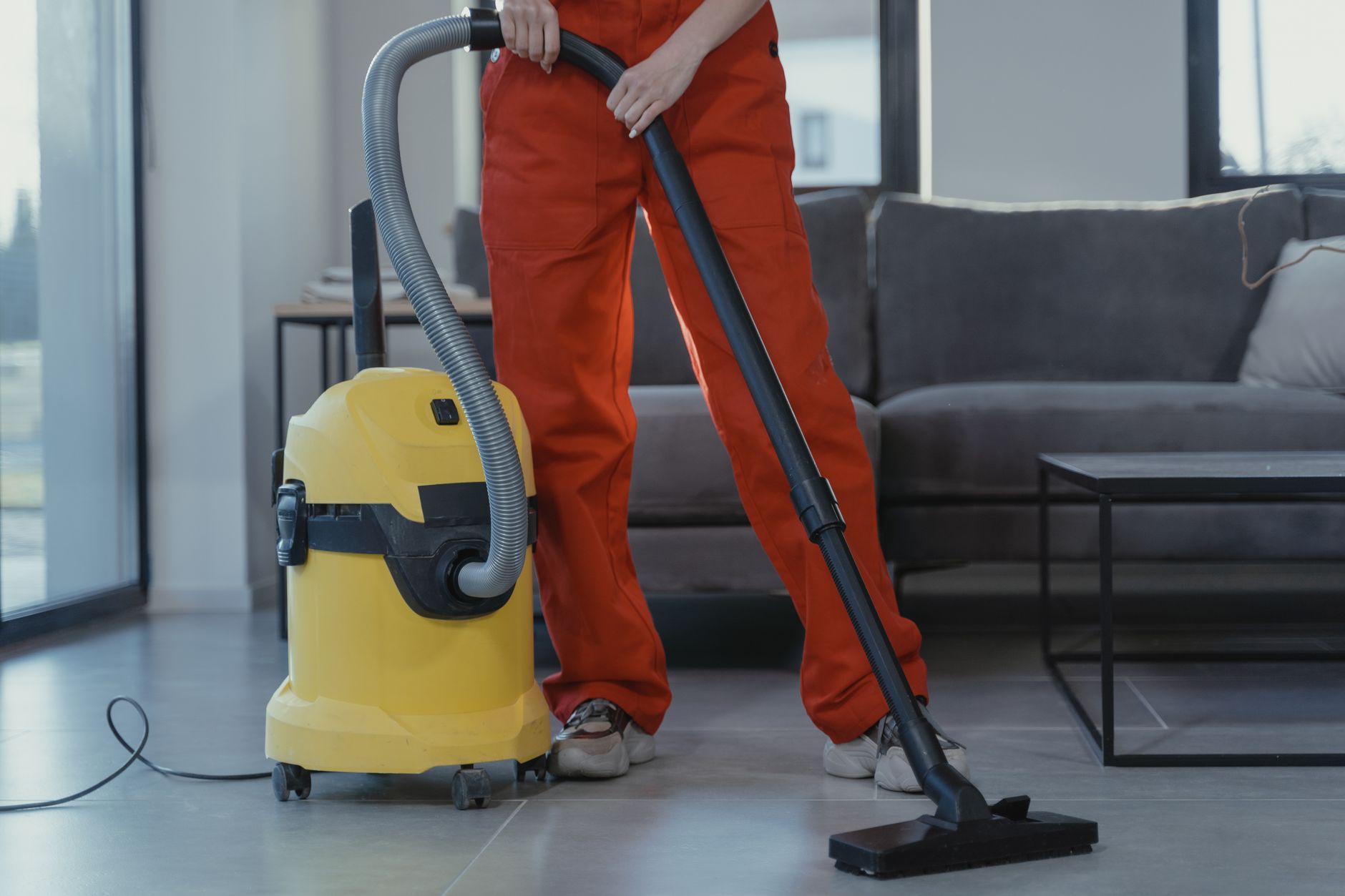
Published reporting states a four-thousand-square-meter concourse can be covered by one autonomous sweeper across the full operating day, work that otherwise occupied one to two cleaning staff per station. On one line segment, twenty sweepers across ten stations paired concourse and platform units so roster builders could reassign people to detail tasks.
On platforms, units cleaned roughly nine hundred square meters in the window between about 12:30 a.m. and 3:30 a.m., completing one to two full passes before service resumed. Self-refill and recharge cycles let schedules run without a dedicated attendant watching each machine.
What this means for US transit and airport operators
This anonymized example shows how a high-footfall concourse can keep floors presentable without pinning two cleaners to one loop all day. Service Robot Co. did not run this metro network. We help US airports, terminals, and intermodal hubs compare OEM-neutral autonomous sweepers and scrubbers, finance buy or lease programs, map passenger flows, and service fleets nationwide.
If your concourse size sits in the two-thousand to four-thousand square meter range, pilot one station loop, log staffing minutes for two weeks, then scale only after refill cycles survive a holiday travel spike.