
a regional acute-care hospital operating two buildings linked by a 1.6-mile campus route
How a Split-Campus Hospital Freed 7,190 Minutes With Sample-Delivery Robots
A regional hospital cut manual driving time across a 1.6-mile route by running 521 autonomous sample-delivery laps, reclaiming hours for bedside care.
- 7,190 min
- Driving time reclaimed
- 521 laps
- Autonomous deliveries
- 92%
- Route autonomy
- 2,500+
- Samples moved
Based on a documented real-world deployment. Figures are from public reporting; the organization is not named.

Two buildings, one lab, and a driver tied to the road
Psychiatric-care samples had to reach a central laboratory in the main hospital building while the collection sites sat across a 1.6-mile campus route with six pickup points. Staff relied on a conventional vehicle, which meant a dedicated driver, engine noise in a park-like setting, and emissions that clashed with the hospital's sustainability goals.
The work was predictable, yet it pulled clinical time into repetitive transport. Leaders wanted hospital delivery automation that could run in weather, protect chain-of-custody for specimens, and free people for patient-facing duties without adding another manual shuttle shift.
- Six pickup points along a 1.6-mile link between care sites and the main lab
- Manual driving averaged about 15 minutes per round trip
- Environmental and noise concerns around a green campus setting
Pilot an outdoor autonomous courier on a fixed schedule
The hospital partnered with an autonomous road-delivery supplier to run a pilot focused on medical samples. The vehicle followed a mapped route between the psychiatric-care complex and the laboratory, with weatherproof, PIN-protected cargo space and thermal boxes to keep specimens stable.
Operations settled on four scheduled trips per day. Staff loaded labeled containers at each pickup, and laboratory staff retrieved them on arrival for processing. Cameras, radar, satellite navigation, and inertial sensors supported roughly 92 percent autonomous driving across 521 laps during the pilot window.
- Mapped the 1.6-mile corridor with six defined pickup stops
- Trained clinical and lab teams on loading, PIN access, and handoff checks
- Ran daily trips through varied weather with remote monitoring and on-site support
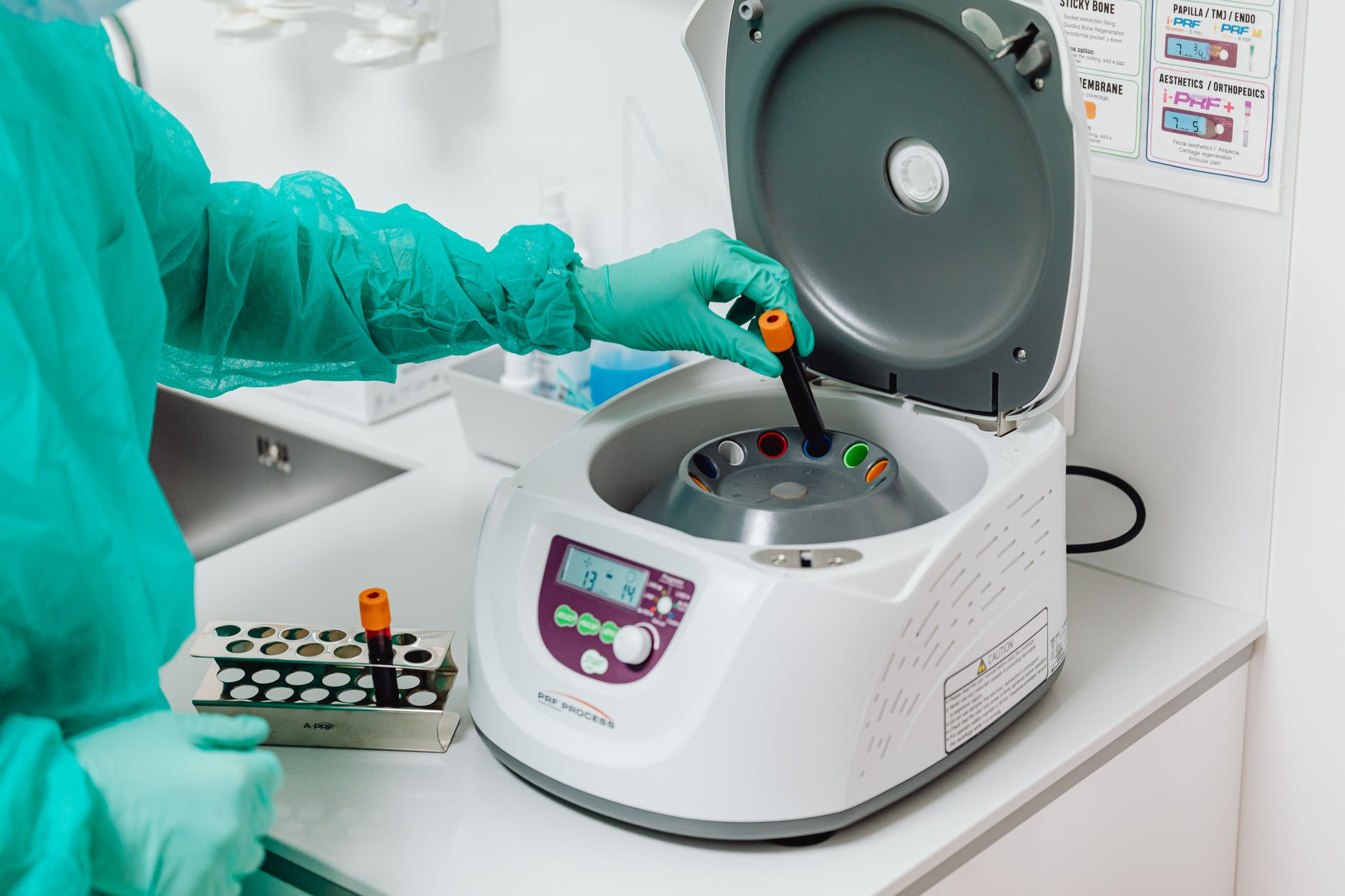
Measured time back for care teams
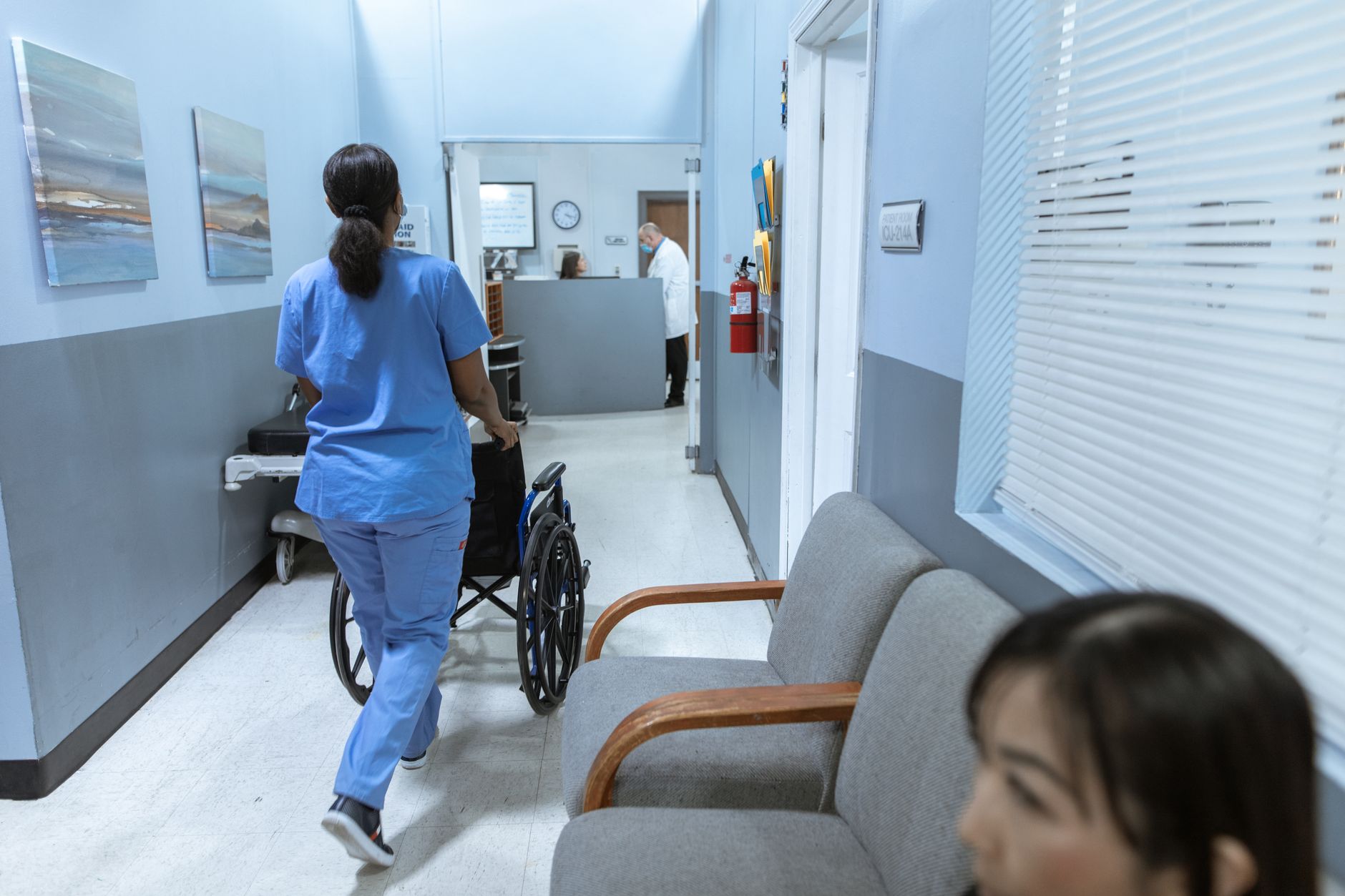
Across 521 laps averaging about 15 minutes each, the program reclaimed roughly 7,190 minutes that would otherwise have been spent behind the wheel. That is the equivalent of many full workdays returned to the hospital over 132 days of operation, with more than 2,500 samples delivered and zero reported safety incidents during the pilot.
Staff also tracked an extra minute of patient-care time for each delivered sample, which added about 19 minutes per day devoted to patients across the 132-day period. Employee feedback scored the service at a 69 percent Net Promoter Score, signaling strong acceptance of the courier as a reliable link between buildings.
What US hospitals can borrow from the pilot
Outdoor specimen runs are easy to underestimate because they look like a simple shuttle. In practice they steal skilled minutes whenever a campus spans separate buildings. A vendor-neutral integrator can compare road-legal autonomous couriers with indoor hospital delivery robot rental options, then align financing, mapping, training, and nationwide RoboCare service under one contract.
Service Robot Co. helps US facilities run pilots with clear metrics, phased rollout, and maintenance included so clinical leaders see time returned before scaling to meals, medications, or supplies on the same corridor.