
a 27-hole private country club in suburban Detroit, Michigan
How a Detroit-Area 27-Hole Club Targets Under Four Years Payback With Fairway Robotics
Documented Michigan 27-hole club: three autonomous fairway units, 22.5 acres per charge, payback under four years, labor shifted to detail turf work.
- <4 yr
- Projected payback
- 3
- Autonomous units
- 22.5 ac
- Per charge
- 27
- Holes maintained
Based on a documented real-world deployment. Figures are from public reporting; the organization is not named.
Fairway acreage outran seat time
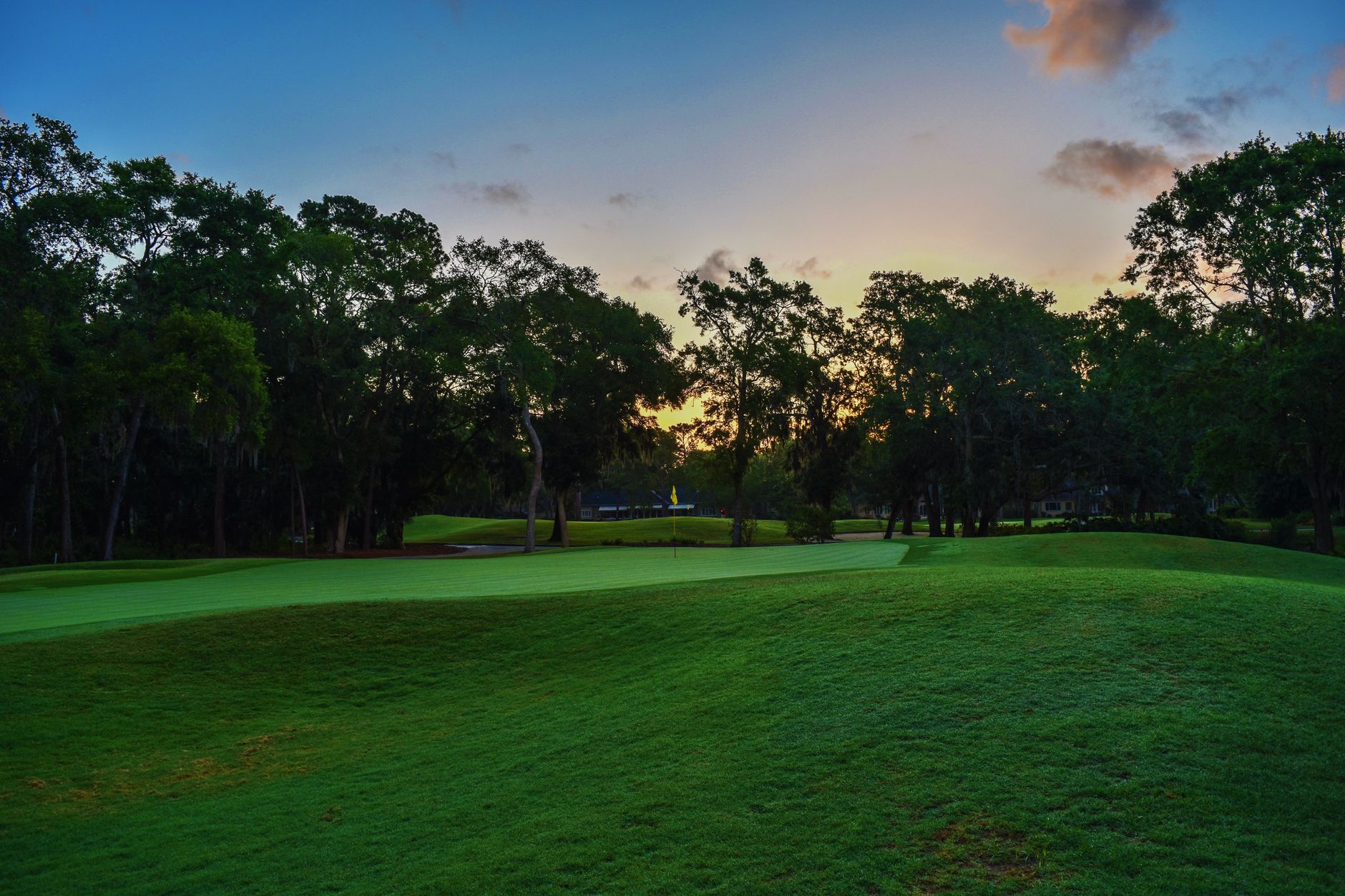
A 27-hole private country club in suburban Detroit, Michigan spreads roughly 13 acres of fairway turf on each nine. That scale means long ride-on loops whenever growth picks up in a cool-season market with packed league calendars.
Leadership wanted fairway-quality striping without tying skilled operators to repetitive passes all week. They also needed a platform that could cover large acreage between charges, not a small utility robot suited to rough patches alone.
Hiring pressure in metro Detroit made layoffs the wrong answer. The goal was to hold headcount while moving people toward bunkers, approaches, and the grooming work members notice in surveys.
Sizing three units against real fairway loads
After comparing autonomous fairway options, the club purchased three cutting units sized around a conventional 100-inch mowing head rather than leasing them. Each unit was mapped to open fairway corridors with keep-out zones for greens, tees, and bunkers left to the crew.
Operators set charging and run windows around play, using the supplier's proactive field support when performance questions surfaced early in the rollout. Training focused on one staff monitor who could verify routes after storms or cart-path changes.
Purchase rather than lease reflected confidence in reliability reports from the first months of operation on high-acreage passes.
- Map fairways and rough corridors separately from hand-work zones
- Purchase three autonomous fairway units matched to 100-inch cut width
- Schedule runs around league traffic and frost policies
- Keep greens, tees, bunkers, and collars on skilled crew labor
- Assign one monitor for route checks and supplier coordination
Documented outcomes from the first season
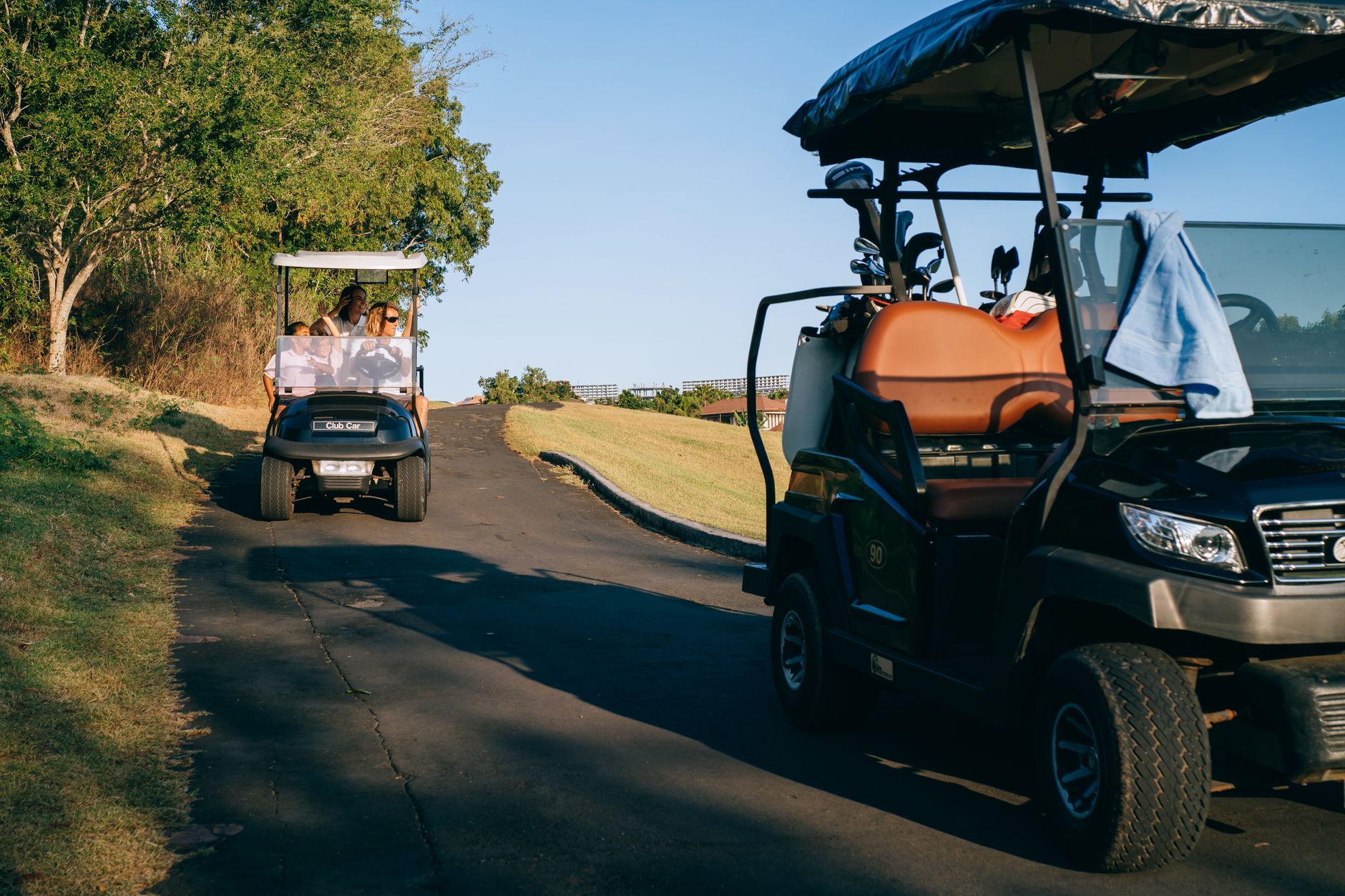
Field reporting cited 22.5 acres mowed on a single charge per unit, enough reach for the club's 13-acre fairway loads per nine when routes are planned efficiently.
Leadership projects the capital investment pays for itself in less than four years, a timeline they weighed before choosing purchase over lease.
Superintendent commentary in the public record emphasized reliable performance so far and supplier engineers who stayed engaged on tuning. Staff hours shifted off fairway mowing toward detail tasks, and the club explicitly avoided layoffs while making that shift.
What Midwest fairway robotics implies for integrator-led rollouts
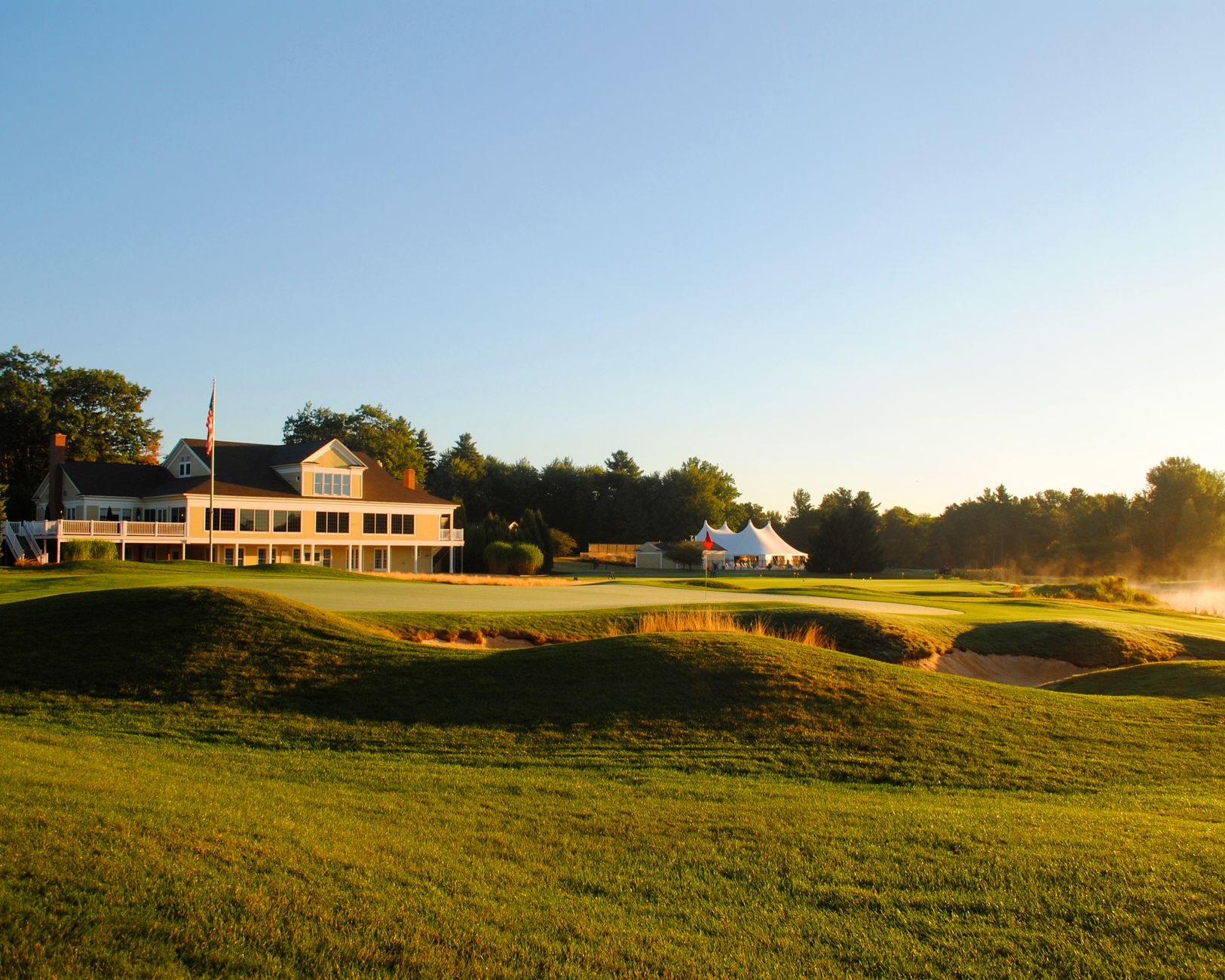
This documented example is not a Service Robot Co. client story. It shows how a vendor-neutral integrator conversation should start: fairway acreage per nine, charge coverage per unit, and whether buy or lease math fits the club's balance sheet.
Service Robot Co. walks the course, maps keep-out zones, trains the monitor, and supports autonomous fairway programs under RoboCare after a free site assessment. The same OEM-neutral model applies when leadership wants one partner for financing, deployment, and nationwide service rather than negotiating each piece alone.
Clubs near Chicago, Detroit, or Cleveland can use the pattern here as a benchmark for charge planning and labor reallocation without treating robotics as a headcount cut.