
a tertiary-hospital intensive care unit in Taiwan
Nurse Logistics Time Falls 81.6% in an ICU Robot Program, Cost Per Hour Reviewed
Nurse logistics time fell from 111.34 to 20.43 minutes a day in an ICU delivery robot program in Taiwan. Here is what each nursing hour saved cost.
Deployment at a glance
- 81.6%
- Less nursing logistics time, 111.34 to 20.43 minutes a day
- 553
- Nursing hours released a year, per the study
- NT$2,984
- Incremental cost per nursing hour saved
Based on a documented real-world deployment. Figures are from public reporting; the organization is not named.
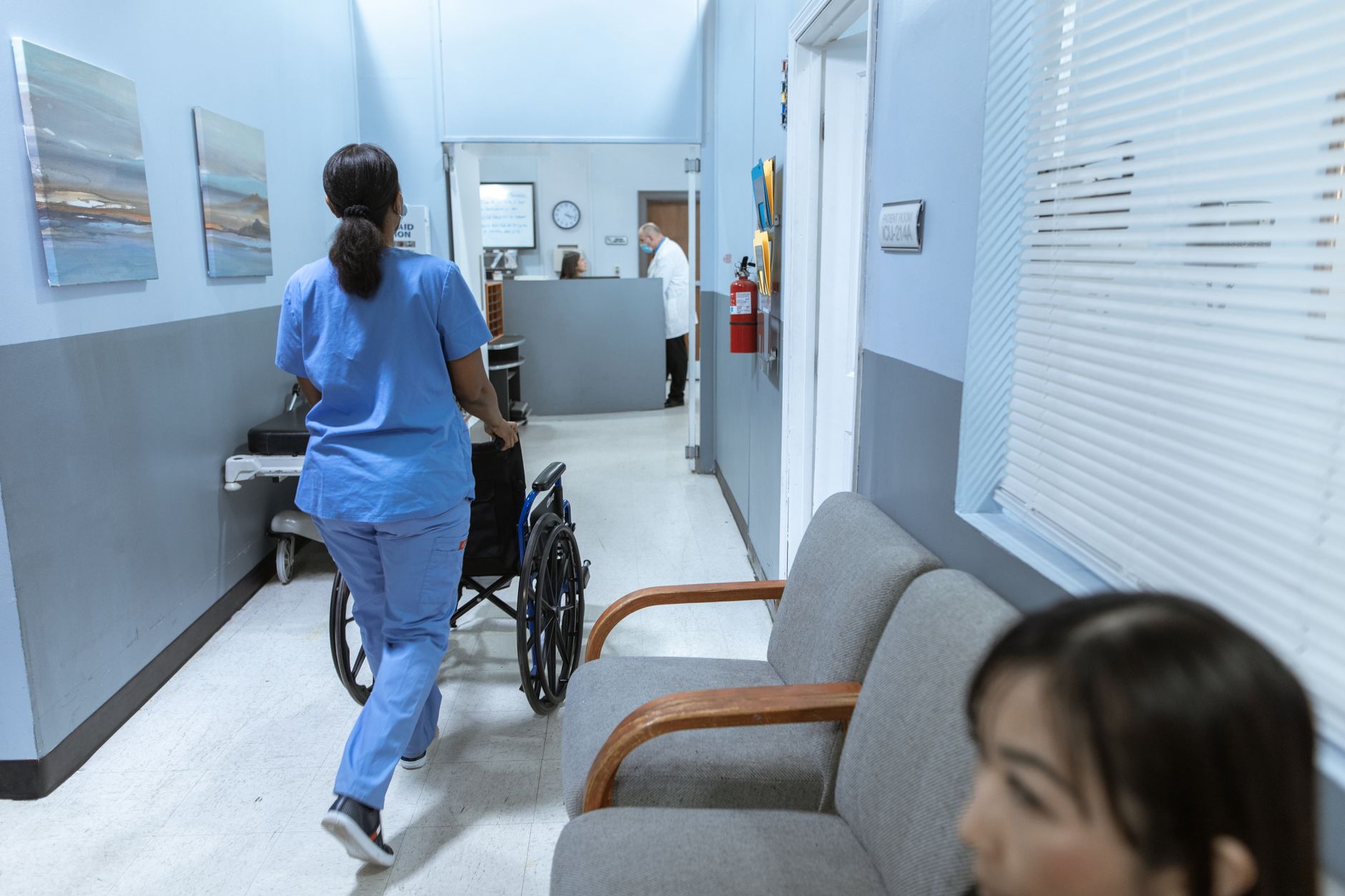
Nursing time lost to the corridor
A tertiary-hospital intensive care unit in Taiwan was losing a large share of its nursing day to transport and logistics. Staff spent about 111 minutes a day on those tasks, and every one of those minutes was taken from the bedside.
The work had to happen, but it was not nursing care. Routine movement of this kind pulls experienced clinicians away from the patients who most need them.
That gap made the unit a candidate for automated delivery. The open question was whether robots could absorb a meaningful share of the load, and at what cost per hour returned.
A zone based delivery program, measured two ways
Delivery was organized by zone, so routine transport ran along defined areas of the unit rather than as ad hoc errands. That structure let robots take on repeatable runs while nursing staff stayed with patients.
Results were tracked with two methods. Time and motion observation recorded how nursing time was actually spent, and the robots' task logs captured the delivery work they completed. Pairing a human view of the workday with machine records gives a fuller picture than either one alone.
- Routine transport organized into zones across the ICU
- Nursing time observed directly using time and motion methods
- Robot task logs recorded completed delivery work
- Costs assessed from the hospital provider perspective, with a seven year equipment life and a 3% discount rate
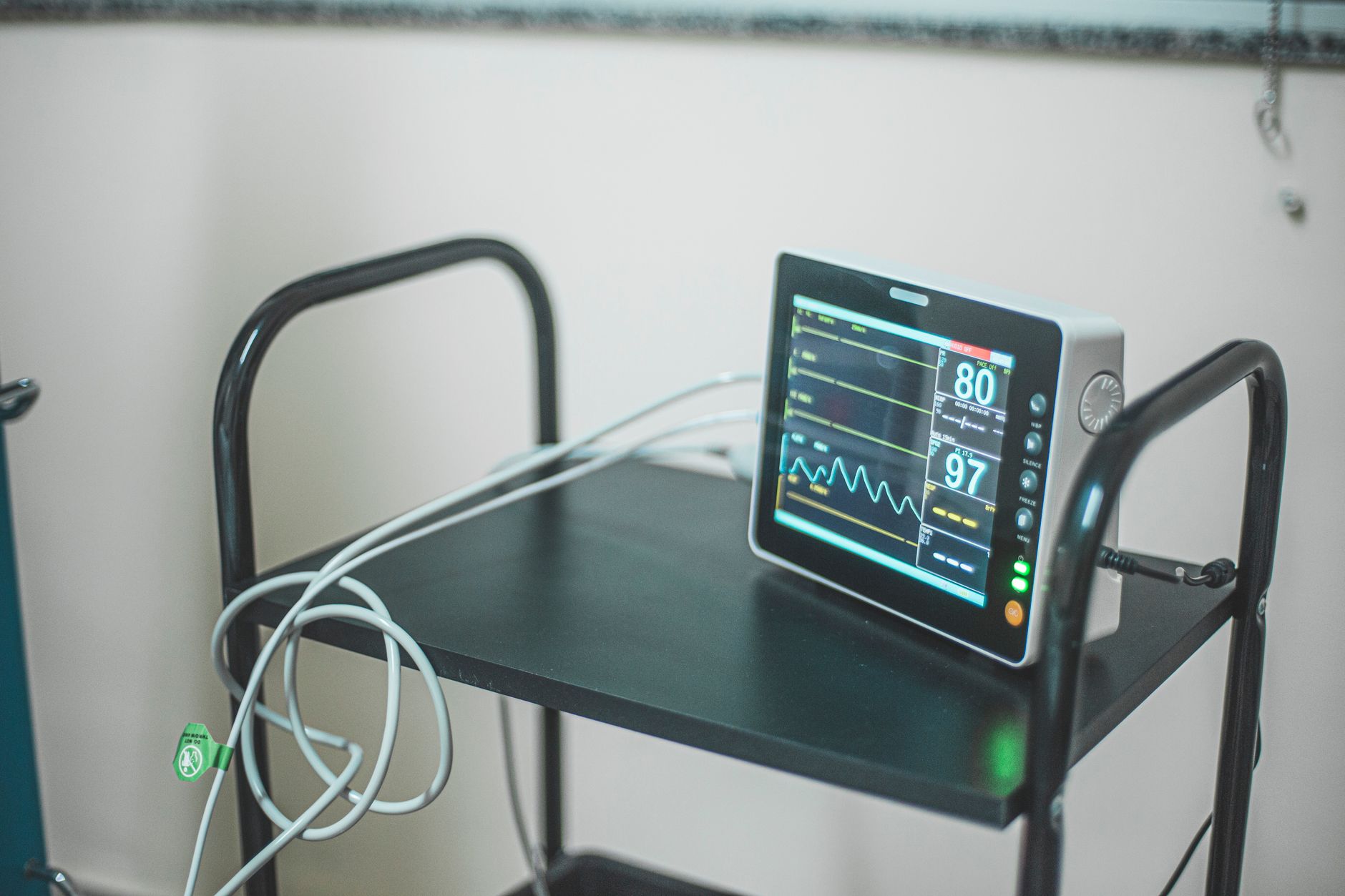
Logistics minutes fell by most of their former load
Nurse logistics time dropped from 111.34 minutes a day to 20.43 minutes, a reduction of 81.6%. Over a year, the study places the released time at about 553 nursing hours.
The cost side deserves the same scrutiny. The annualized program cost was NT$1.65 million, which works out to an incremental NT$2,984 for each nursing hour saved. Those figures come from the study's model, built on a seven year equipment life and a 3% discount rate, so they reflect assumptions as well as spending.
The study's authors are candid that this cost per hour exceeded prevailing wages. Their case rests on redirecting the freed time to direct patient care and on supporting nursing workforce sustainability, not on a straightforward wage saving.
What this means for a facility weighing a delivery robot

Service Robot Co. is an OEM neutral commercial robot integrator for US businesses. We select robots across manufacturers, then finance, deploy, integrate, train and service every unit through a nationwide US engineer network. One partner covers the whole lifecycle, from site survey to go live support.
The lesson from this ICU is to measure before committing. A hospital weighing a hospital delivery robot lease can start with its own minutes per shift for medication transport and meal tray transport, then set those minutes against the cost per hour it expects to release.
Our offer is a lease: a three year lease with one fixed lease payment quoted after a site assessment. Robot lease options can then be compared on the same measured baseline, so the economics rest on minutes actually recorded rather than on assumptions.
Frequently asked questions
Want a robot working for you?
Tell us the job and the site. We will recommend the robot, quote the lease, and keep it serviced.