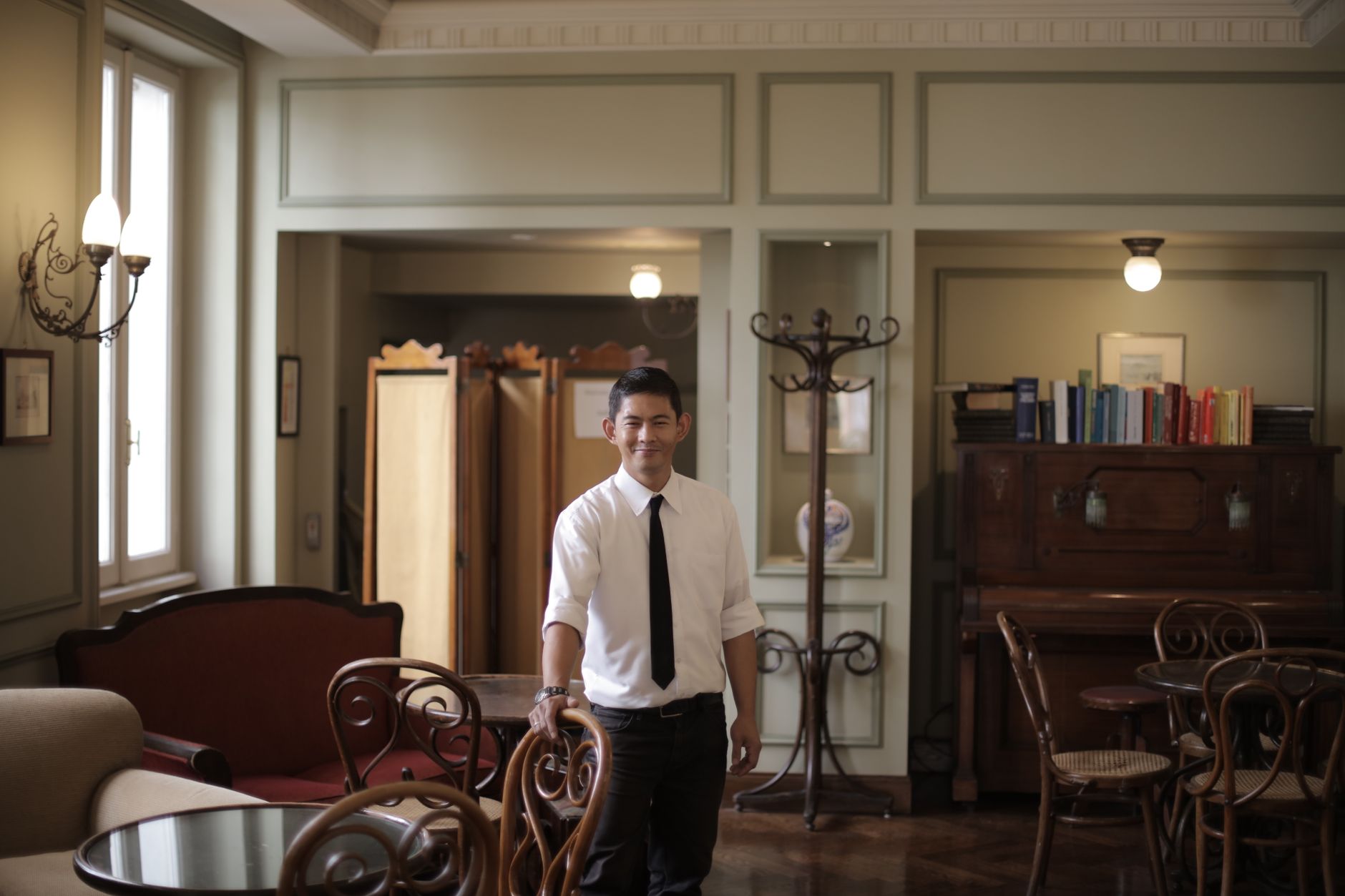
a high-volume restaurant group in Taiwan running multiple dining rooms with a coordinated runner fleet
How a Taiwanese Dining Group Logged 1,173 Daily Robot Deliveries Over 60,302 Meters
Restaurant case study: nine food-runner robots logged 1,173 daily deliveries and about 60,302 meters of travel at a high-volume Taiwan dining site.
- 1,173
- Daily runs
- 60,302 m
- Travel logged
- 9
- Runner units
- Multi
- Robot roles
Based on a documented real-world deployment. Figures are from public reporting; the organization is not named.
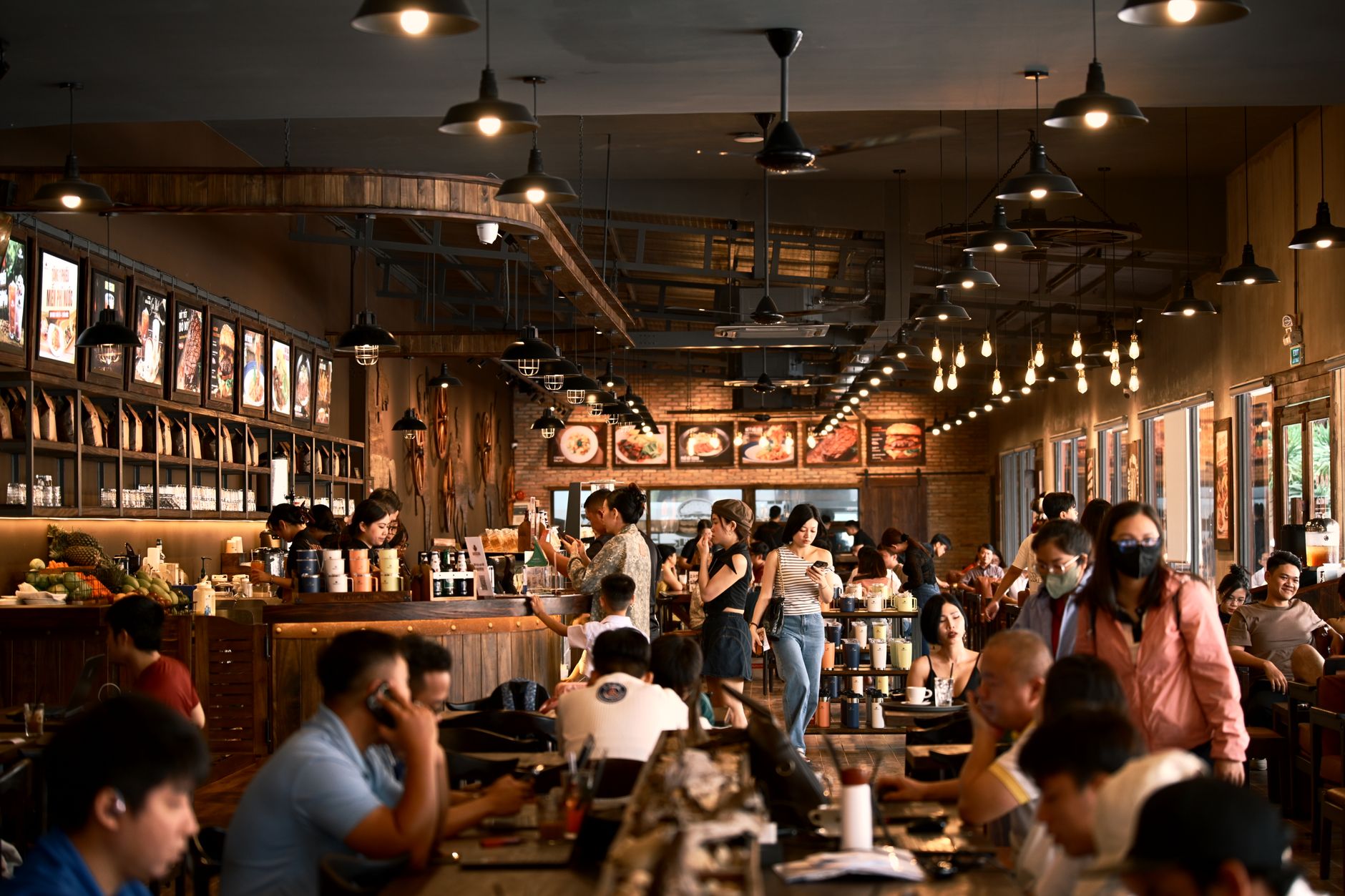
Servers could not stay on the floor
Busy dining rooms split staff between guest conversation and long tray walks through tight aisles. When one runner robot had to bus and deliver, tables waited while the unit returned from the kitchen.
Leadership wanted dedicated machines for food running and bussing so humans could stay on hospitality tasks during peak covers.
Deploy a coordinated runner fleet
The operator rolled out nine food-runner units mapped to the restaurant layout so multiple orders could move at once without queueing behind a single machine. Units yield in narrow aisles and pick the fastest mapped route rather than a fixed loop.
Staff load trays at a home station near the pass while runners handle repetitive transit. Supervisors tracked daily delivery counts and distance through the operations dashboard during rollout.
- Map dining rooms and kitchen handoff points before the first service test.
- Assign separate units to bussing versus hot-food runs when volume spikes.
- Train expo staff on tray loading and send commands at the pass.
- Review daily delivery totals weekly to tune fleet size by daypart.
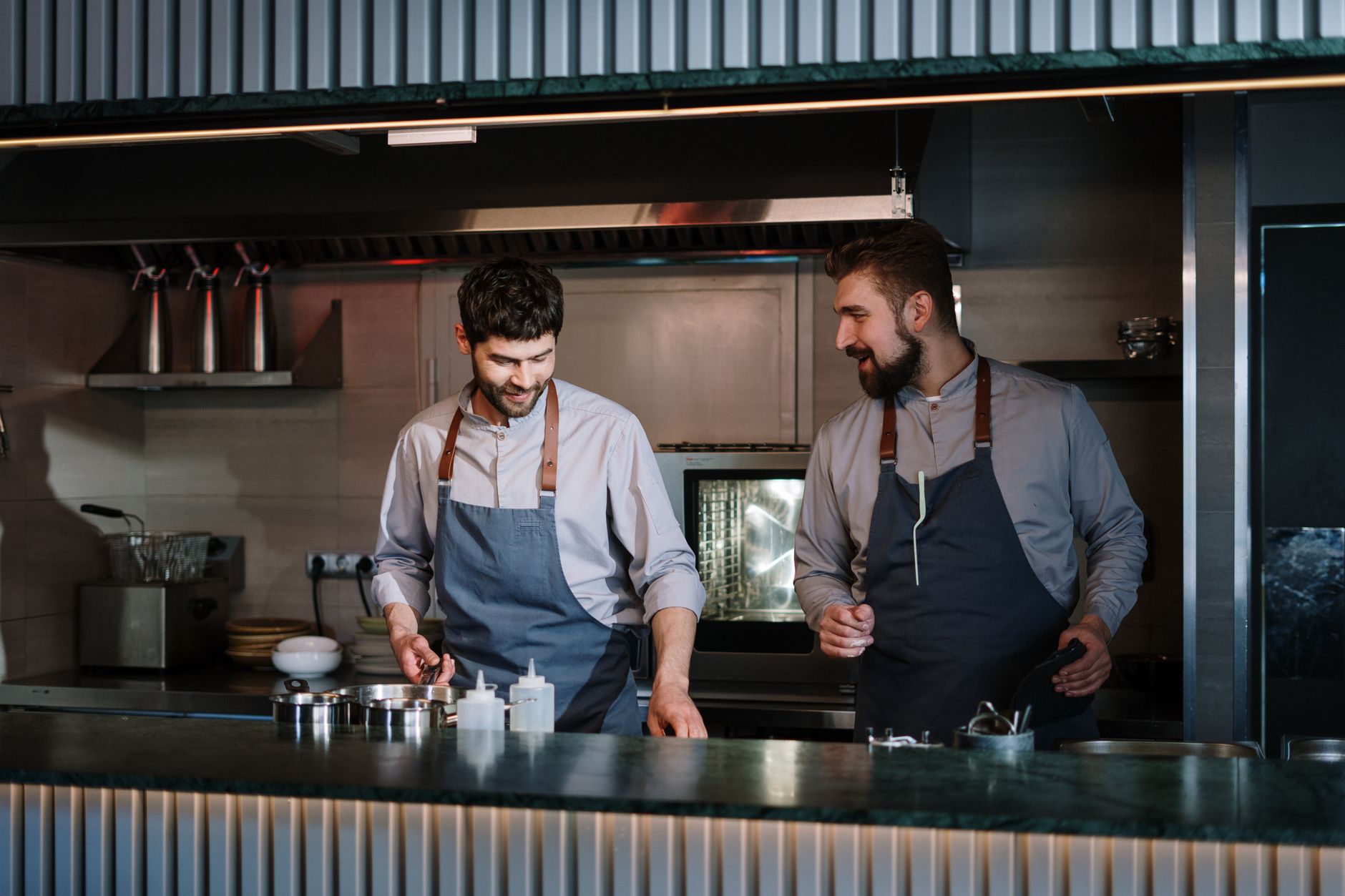
Documented daily delivery volume

The public case materials cite a daily delivery count of 1,173 while covering about 60,302 meters of travel across nine runner units at one high-volume dining site. Those figures come from the documented deployment write-up, not an independent audit, but they give operators a concrete scale benchmark.
Managers described faster table turnover and fewer interruptions at the pass because servers stayed with guests instead of walking long interior routes. The fleet model also let leadership add units without retraining staff on a new workflow for each machine.
What US full-service operators can compare
This is a documented Taiwan deployment, not a Service Robot Co. customer story. It still shows how multi-robot floor plans change labor math when one machine is no longer the bottleneck.
Service Robot Co. selects runner platforms across manufacturers, finances buy or lease paths, maps dining rooms with your team, and supports fleets nationwide under RoboCare. A two-unit pilot on your busiest night often proves whether your pass layout can feed parallel runners before you scale to nine.