
a leading acute-care hospital in Taiwan
How a Taiwanese Hospital Freed Night-Shift Disinfection Work Equal to Four to Six Staff With AMRs
A Taiwanese hospital deployed autonomous disinfection AMRs and reported one unit covering night work equal to four to six cleaners, enabling more pre-outpatient disinfection.
- 4-6
- Staff equivalent
- Night
- Shift focus
- AMR
- Platform
- UV/spray
- Modes
Based on a documented real-world deployment. Figures are from public reporting; the organization is not named.
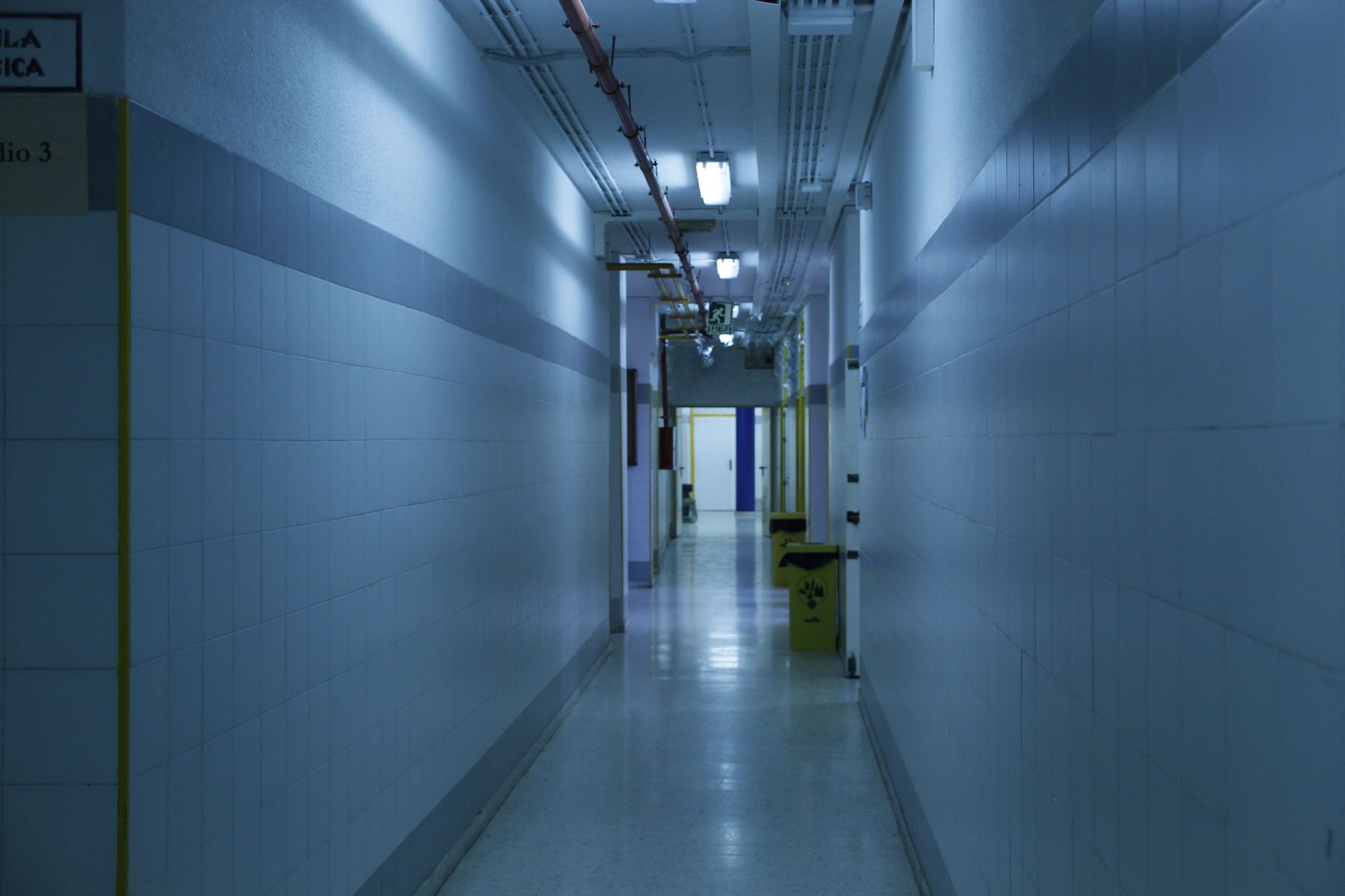
Night crews could not scale with demand
This acute-care hospital faced hiring pressure as public attitudes shifted away from labor-intensive cleaning roles and birth rates fell, tightening the pool for overnight environmental work.
Leadership needed safer, more frequent disinfection without adding four to six night cleaners every shift, especially ahead of busy morning outpatient volumes.
- Labor shortage for overnight environmental services
- Need for higher disinfection frequency in clinical corridors
- Crowded layouts that challenge fixed disinfection tools
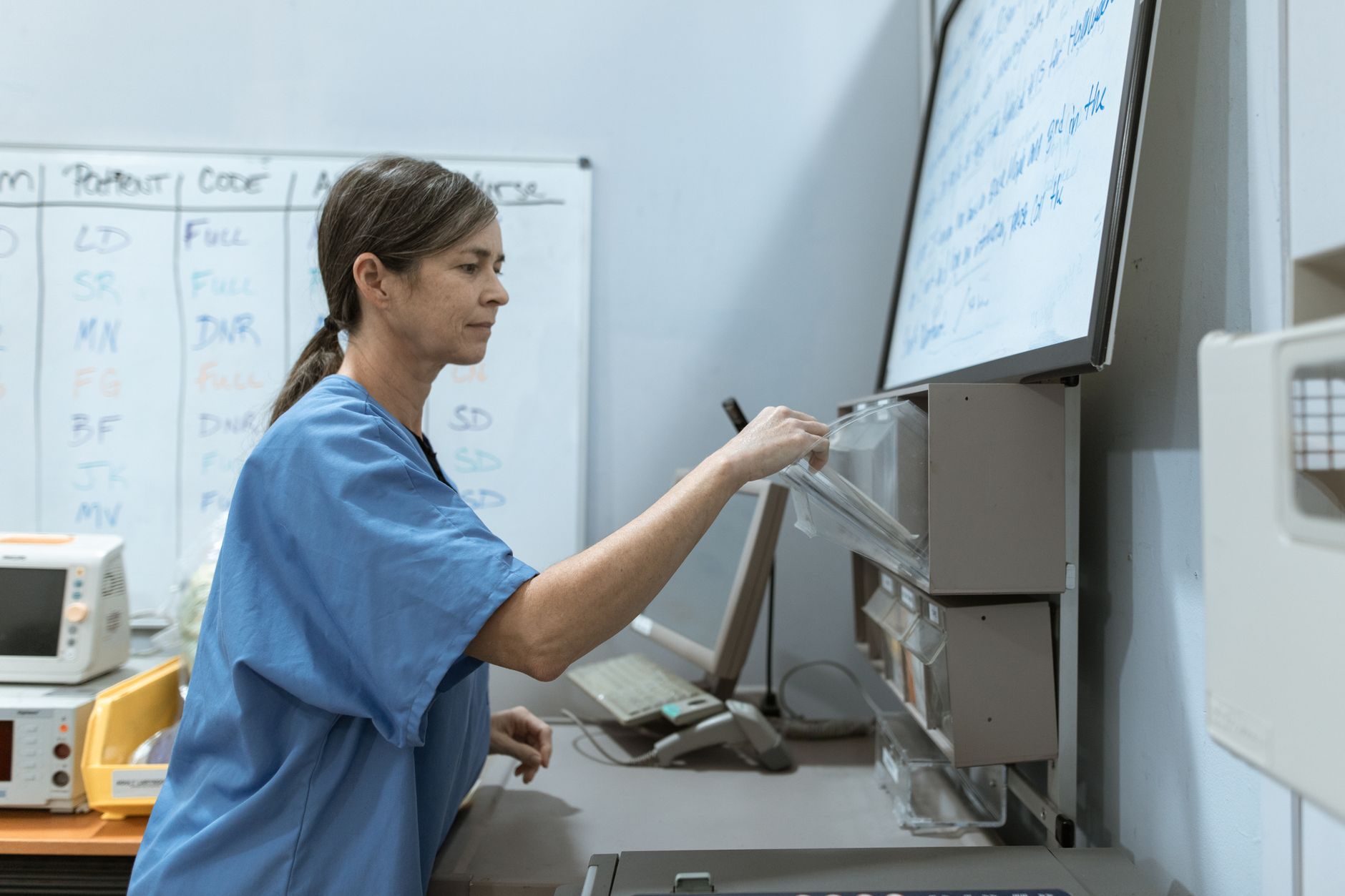
Autonomous disinfection AMRs with on-site AI
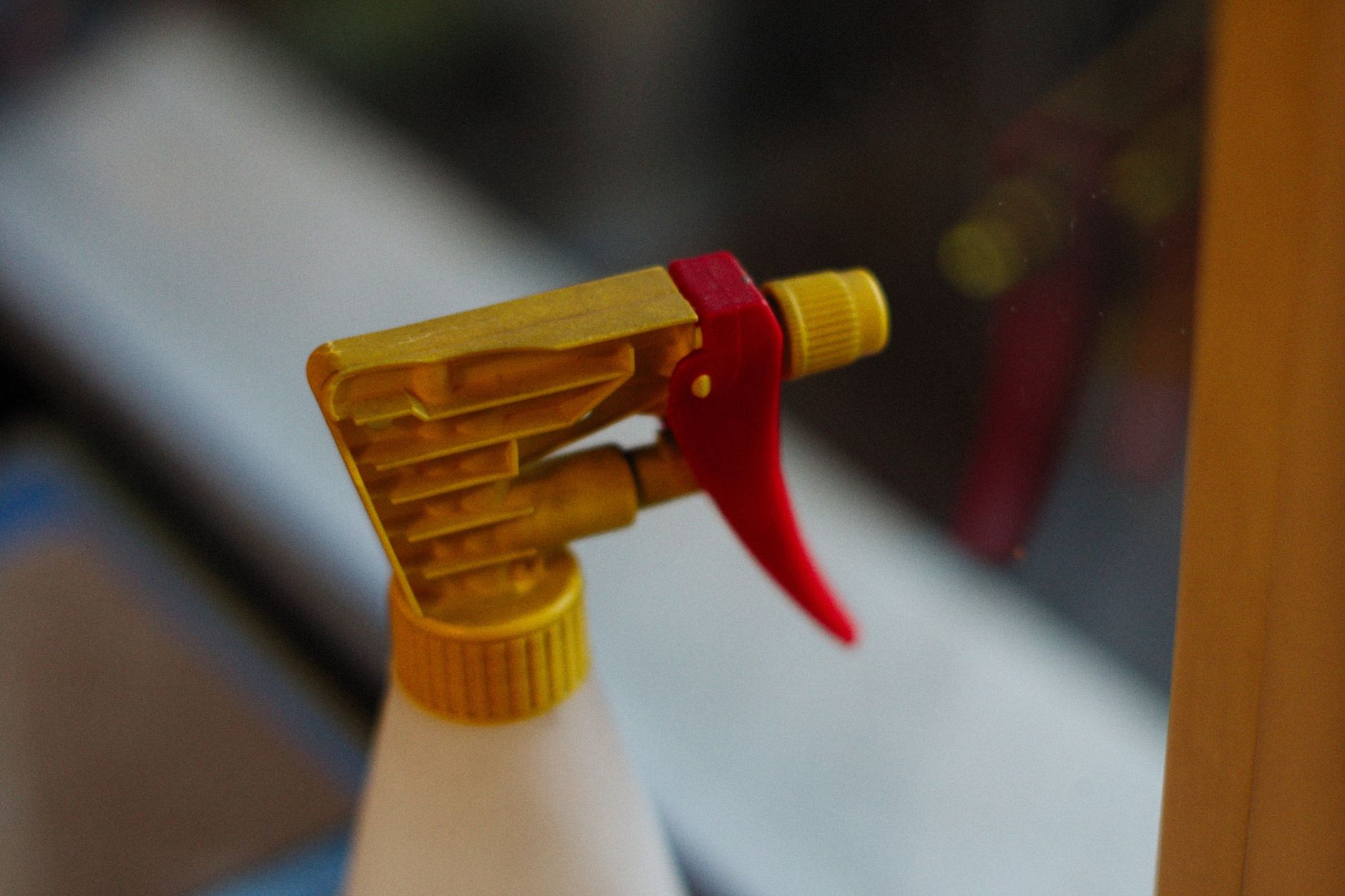
The hospital introduced autonomous mobile disinfection robots developed with partners, including spray and UV modalities trained on the facility's existing disinfection data.
Onboard AI helps units recognize objects and choose disinfection methods in busy corridors. Operators could run primarily at night when the hospital previously struggled to staff full cleaning teams, with plans to add pre-outpatient cycles.
- Map clinical corridors and charging points
- Train staff on spray and UV operating modes
- Run autonomous cycles during night shifts first
- Use AI perception to adjust to corridor clutter
- Expand toward pre-morning outpatient disinfection windows
Documented manpower equivalent
Published case materials state one robot can handle workload equivalent to four to six cleaning workers, reducing labor cost pressure while increasing disinfection frequency.
Hospital leadership described moving from night-only disinfection toward additional cleaning before morning outpatient hours because autonomous units made that schedule feasible.
What US hospitals can borrow
This Taiwan example is a documented overseas deployment, not a Service Robot Co. customer claim. The pattern is familiar: autonomous disinfection AMRs absorb wide corridor loops so people focus on detail and patient-facing tasks.
Service Robot Co. stays OEM-neutral, maps clinical routes, supports buy or lease financing, trains EVS leads, and services fleets under RoboCare nationwide. A free site assessment identifies whether spray, UV, or combined modalities fit your night shift.