
a hospital intensive care unit in Taiwan
Nurses Hand Off the Hallway Run: A Taiwan Intensive Care Unit Delivery Robot Program
How a hospital intensive care unit in Taiwan cut nurse logistics time 81.6% with delivery robots, and what projected cost per nursing hour means for buyers.
Deployment at a glance
- 81.6%
- Less nurse active logistics time, measured on the unit
- 20.43
- Daily nurse logistics minutes after, down from 111.34
- 553
- Nursing hours a year projected to be released
Based on a documented real-world deployment. Figures are from public reporting; the organization is not named.
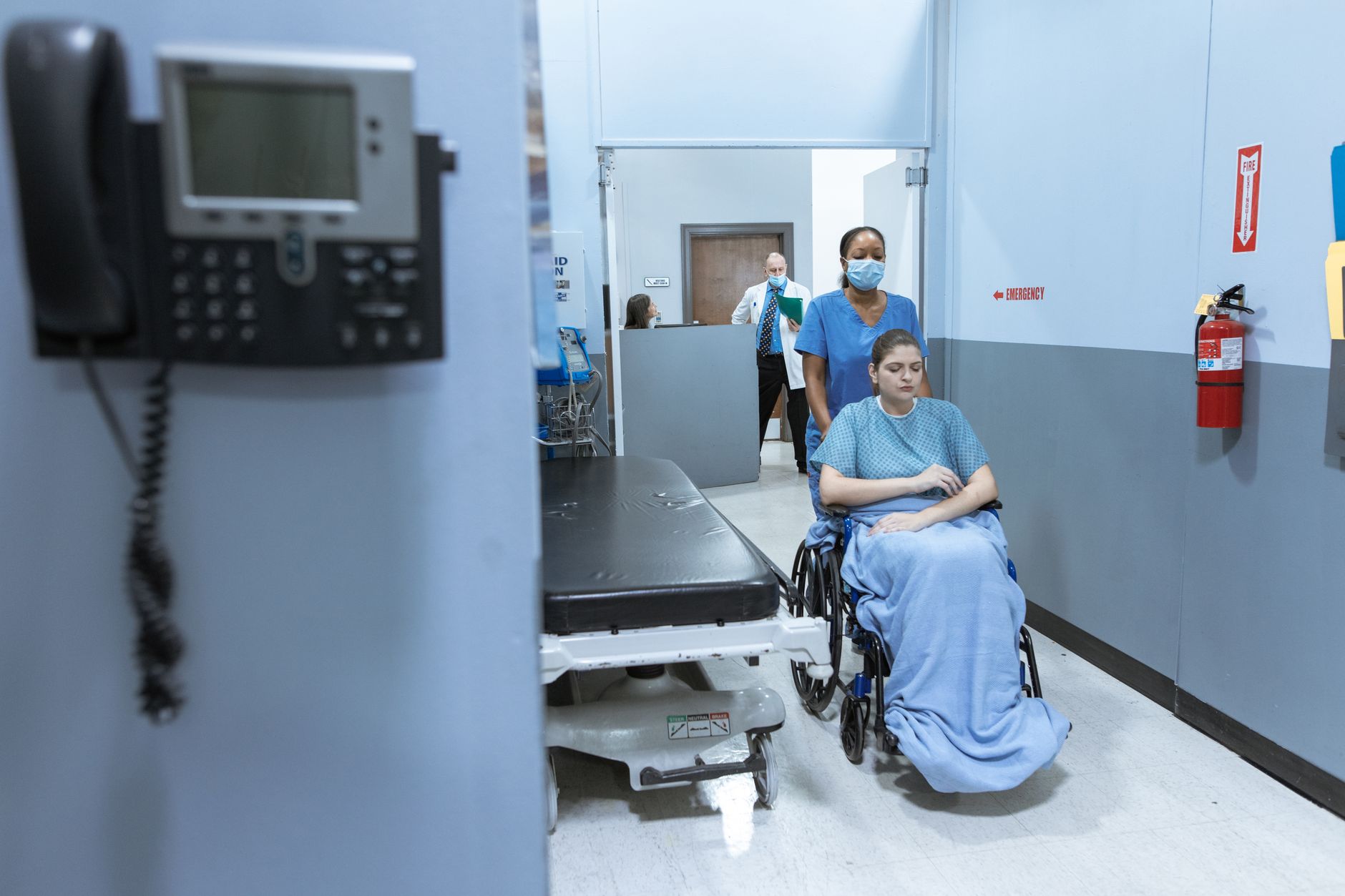
Nurses doing the hallway work
A tertiary medical center intensive care unit in Taiwan relied on manual transport, with nurses moving between the unit and the rest of the hospital themselves.
Logistics work of this kind is easy to undercount. It arrives in short trips spread across a shift, so it rarely appears as a single line item, yet every trip takes a nurse away from the bedside.
The question for the unit was how much active time that walking consumed, and if a robot assisted model could return that time to nursing work.
A robot assisted model beside manual transport
The program set usual manual nurse transport against a robot assisted model in the same intensive care setting. That comparison made the change visible, because the baseline was the work nurses already did.
The robot supplier's units handled delivery runs, and each run was logged by the robot. Observers also watched nurse activity directly through time and motion observation, so the measured time did not depend on robot data alone.
For any buyer, the lesson is to set the baseline first. Map the routes, time the nurse runs and decide which trips a robot should take before any unit goes live.
- Time manual nurse transport runs with direct observation
- Log every robot delivery task alongside those observations
- Compare daily active logistics minutes against the manual baseline
- Assign robot routes to trips that repeat across each shift
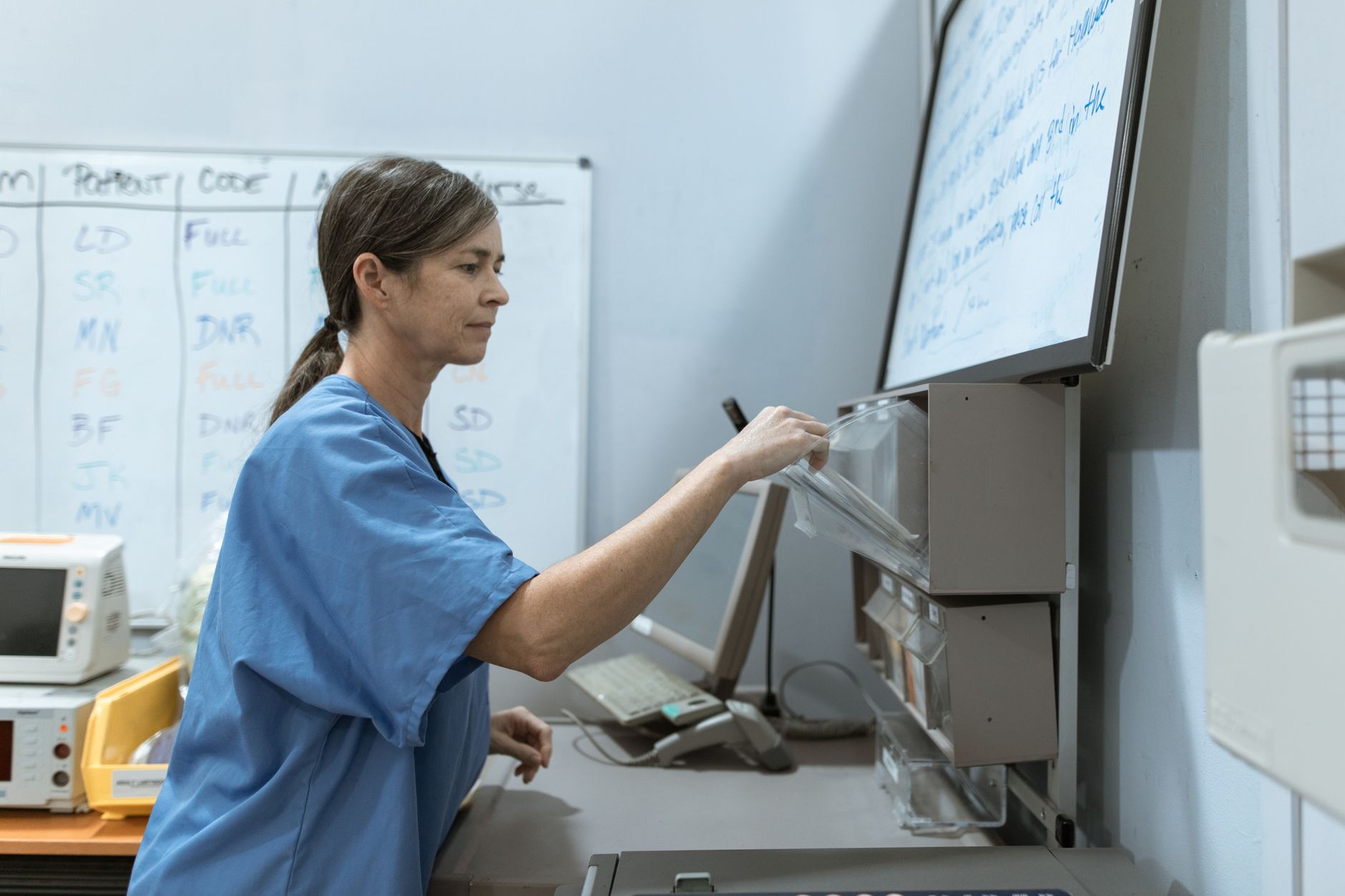
81.6% less nurse time on logistics, and a projected 553 hours back
Nurses' active logistics time fell from 111.34 minutes a day to 20.43, a drop of 90.91 minutes and an 81.6% reduction. Time and motion observation and the robot task logs both fed the measurement, so the figure reflects recorded activity, not a modeled estimate.
The projection puts the annual release at about 553 nursing hours. That number is a projection, not a measured total, and a hospital should treat it as an estimate to test against its own logs.
Cost is where the case gets interesting. Seen from the hospital perspective, the projected annualized program cost, assuming a seven year equipment life, leads to a projected cost per nursing hour saved that exceeds prevailing wages. The projection argues the reclaimed time may still be worth the spend, since it can return to nursing tasks.
What a unit weighing this kind of program should check
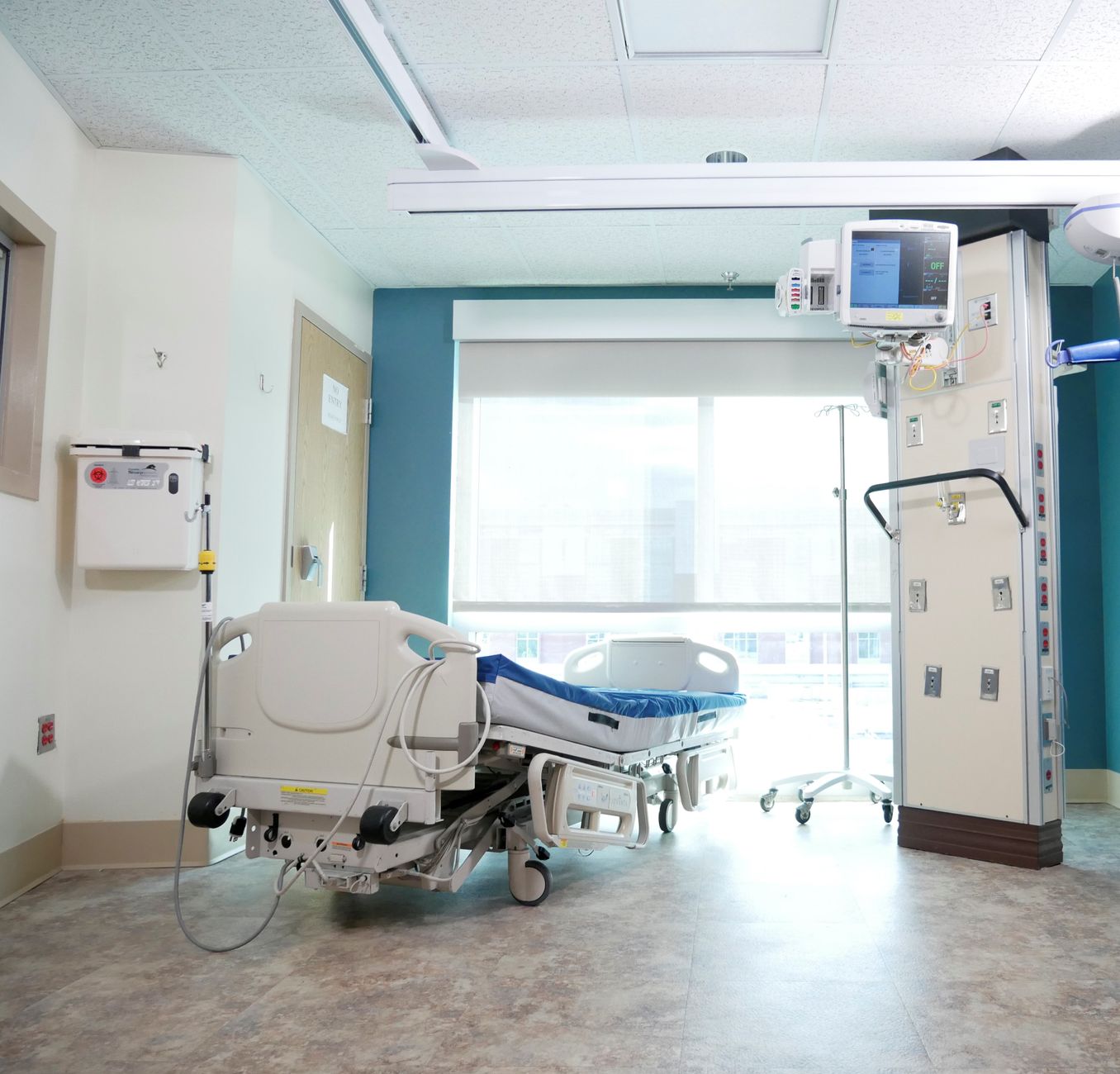
Service Robot Co. is a vendor neutral robot integrator for US businesses. We select the right robots across manufacturers, then finance, deploy, integrate, train and service every unit through a nationwide US engineer network, so one partner handles the whole lifecycle.
We offer commercial robot leasing through financing, on a three year lease with one fixed quote after a site assessment. A hospital can begin with a single leased unit, check the task logs against its own baseline, and widen the deployment only when those numbers hold.
The Taiwan figures make a useful checklist for questions to ask any vendor, including us: how long manual runs take, how the robot logs compare with direct observation, and who services the unit when it stops.
Frequently asked questions
Want a robot working for you?
Tell us the job and the site. We will recommend the robot, quote the lease, and keep it serviced.