
a Taiwanese intensive care unit
Delivery Robots Free Nurse Time in a Taiwanese Intensive Care Unit
A Taiwanese intensive care unit cut nurse logistics time from 111.34 to 20.43 minutes a day with delivery robots, an estimated 553 nursing hours a year.
Deployment at a glance
- 81.6%
- Cut in nurse active logistics time per day
- 20.43 min
- Nurse logistics time per day, down from 111.34
- 553
- Nursing hours a year released, per the authors' estimate
- 1,505 m
- Less daily walking distance for nurses
Based on a documented real-world deployment. Figures are from public reporting; the organization is not named.
What the unit was up against
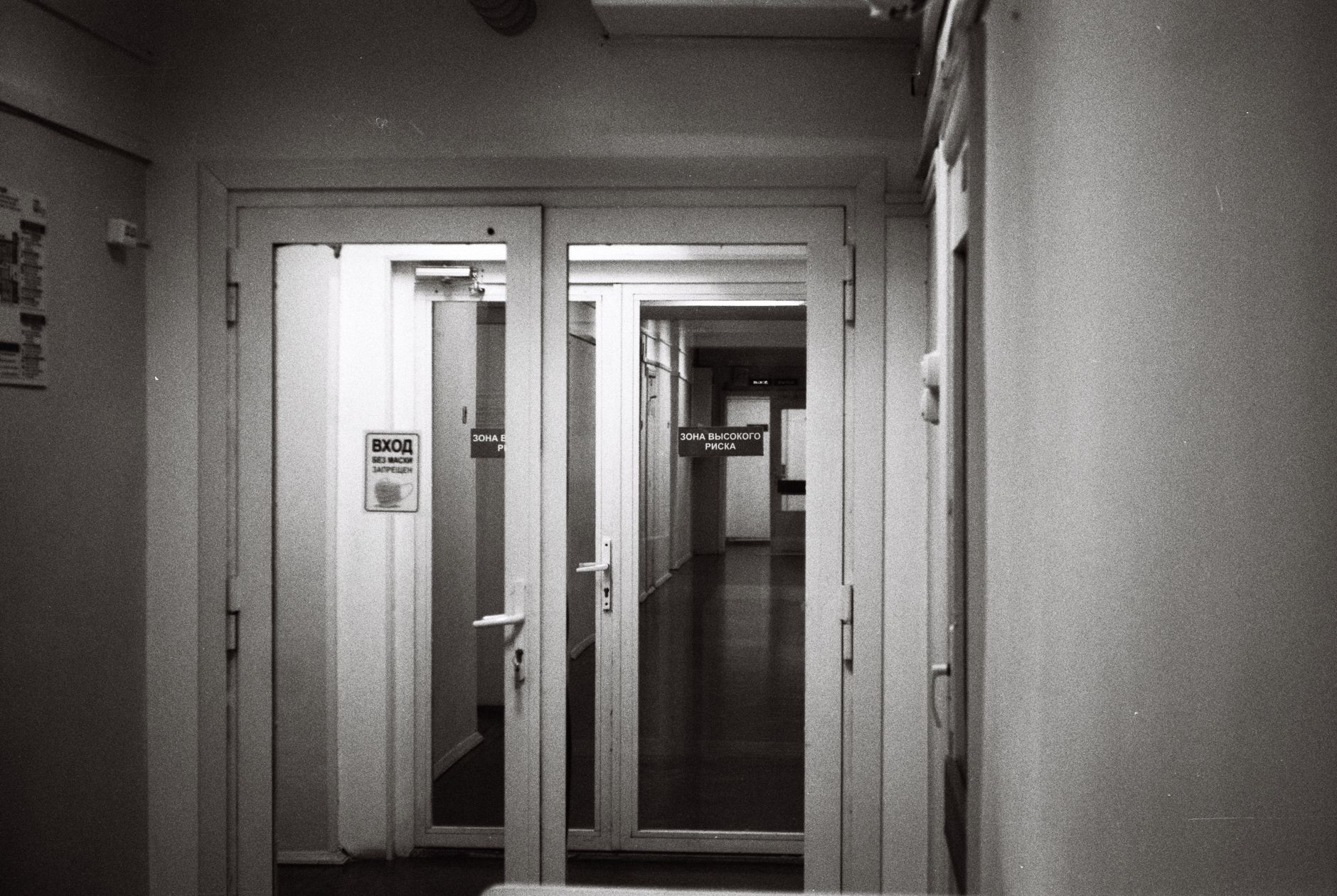
Routine transport is easy to overlook until someone measures it. In a busy intensive care unit, nurses were pulled away from the bedside to move supplies and other routine items between the unit and support areas, and every trip cost time that could have gone to patient care.
The unit measured the load before it changed anything. Nurse active logistics time stood at 111.34 minutes a day, a figure that shows how much of a shift could drift into corridors and storerooms.
Staffing a critical care unit leaves little slack. Each minute spent walking is a minute not spent watching a monitor or talking with a family, so the case for relief was practical as much as ergonomic.
How the delivery robots were introduced
The study describes a zone based deployment, with the robot assisted logistics model organized around defined areas of the unit rather than one open floor. Routine runs were handed to the robots so nurses could stay closer to their patients.
The comparison set the usual manual nurse transport against the robot assisted model. Measuring both states on the same unit is what lets the before and after figures be read side by side.
- Divide the unit into defined zones for routine runs
- Hand routine transport to delivery robots instead of nurses
- Measure nurse logistics time and walking distance against the manual baseline
- Direct the time returned to nurses toward direct patient care
What the numbers show
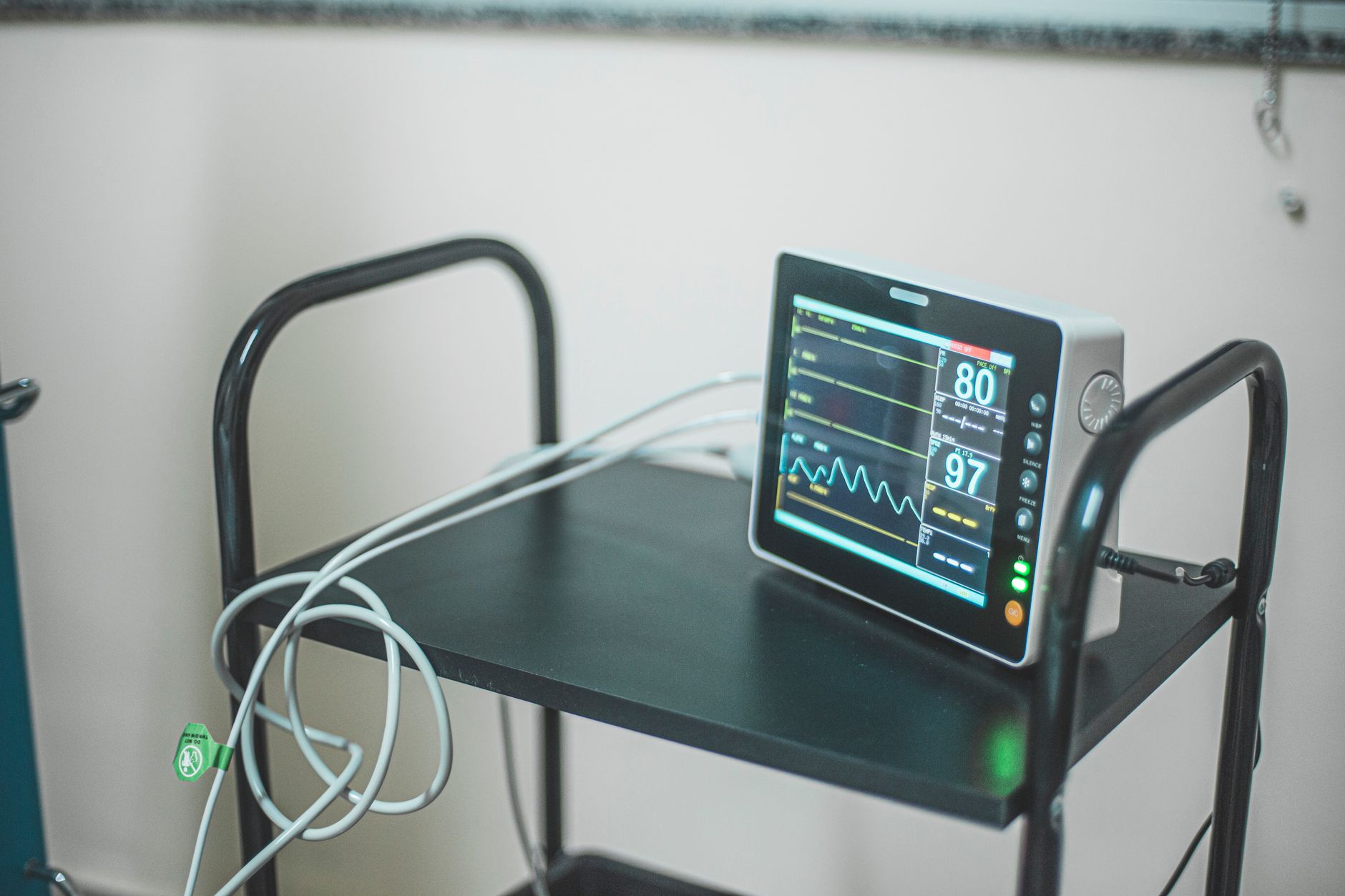
Nurse active logistics time fell from 111.34 minutes a day to 20.43 minutes a day, an 81.6% reduction. Daily walking distance dropped by 1,505 meters, which means less time in corridors and more time on the unit itself.
Across a full year, the authors estimate the change releases about 553 nursing hours. They are careful to call this reallocated time rather than pure savings, because the hours are meant to return to direct patient care.
The authors also acknowledge that the cost per nursing hour saved is higher than prevailing nursing wages. Their argument rests on what those hours can do at the bedside, not on a payroll reduction.
What this means for hospitals weighing robots
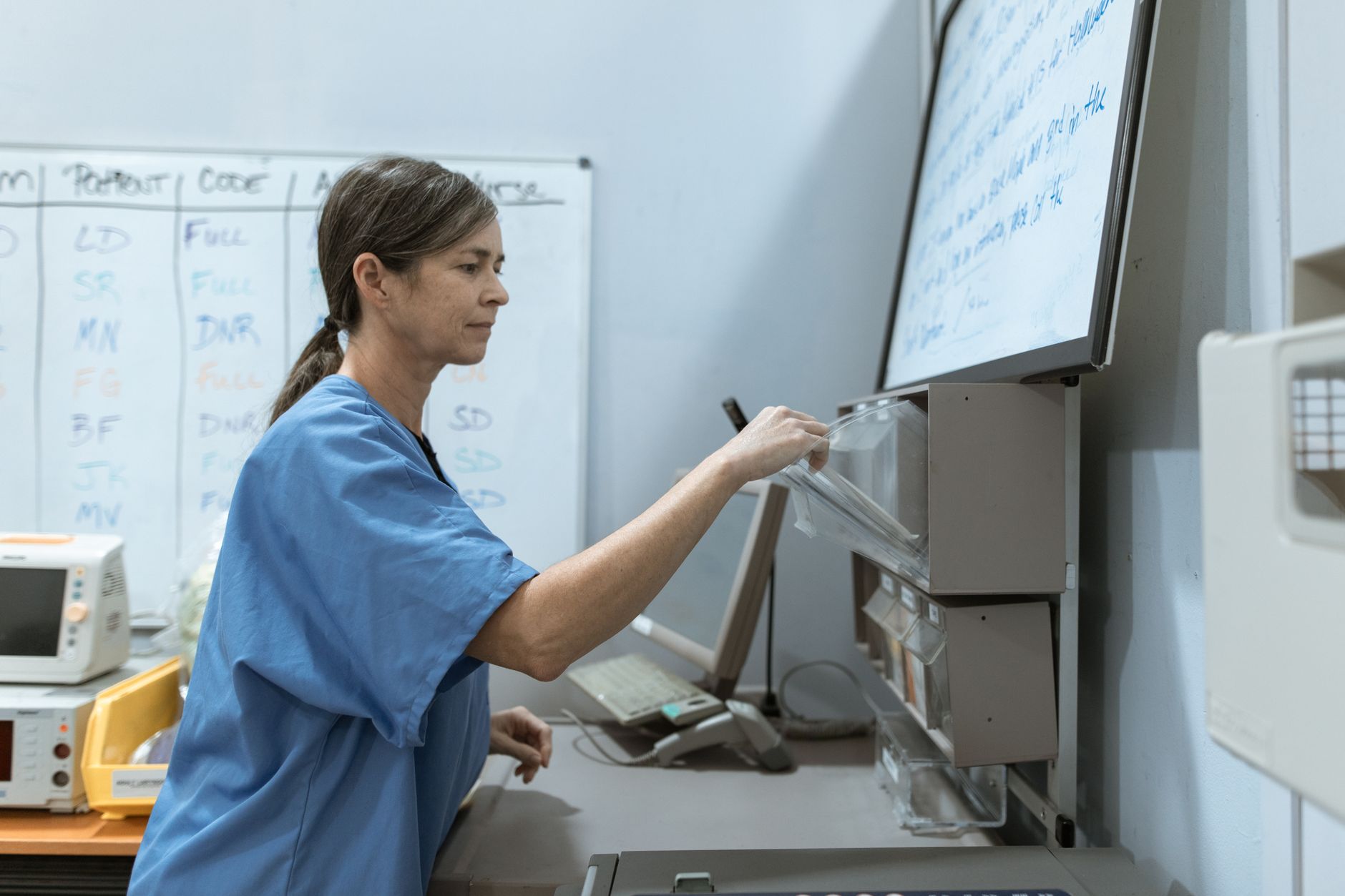
This deployment was not one of ours, and nothing here suggests Service Robot Co. ran it. The useful lesson is the method: a measured baseline, a defined set of routine runs and a clear account of where the returned time goes.
Service Robot Co. is a full service, OEM neutral robot integrator for US businesses, combining commercial robot leasing with robot deployment and integration. We select the right robots across manufacturers, then finance, deploy, integrate, train and service every unit through a nationwide US engineer network, so one vendor carries the whole lifecycle.
For a hospital, a delivery robot lease usually starts with a site assessment, which reviews routes, zones and workflows before any terms are quoted. Financing runs as a 3 year lease with one fixed payment quoted after that assessment. A unit can start with one leased unit and widen the program once its routes are proven.
Routine candidates for that first unit might include medication transport, meal tray transport and supply runs, each measured the way this study measured nurse logistics time.
Frequently asked questions
Want a robot working for you?
Tell us the job and the site. We will recommend the robot, quote the lease, and keep it serviced.