
a large tertiary hospital campus in East Asia running ward-based medical supply logistics
How a Tertiary Hospital Saved 30+ Minutes Per Ward on Supply Tasks With Night AGVs
A tertiary hospital shifted ward resupply to overnight AGVs and returned more than 30 minutes per ward daily while cutting on-site supply storage about 71 percent.
- 30+ min
- per ward daily
- 71%
- storage cut
- Night
- AGV deliveries
- AGV
- cart supply
Based on a documented real-world deployment. Figures are from public reporting; the organization is not named.

Ward supply work pulled nurses off patients
A large tertiary hospital campus in East Asia running ward-based medical supply logistics relied on nurses to verify stock, predict usage, and coordinate deliveries during busy shifts. Treatment sites kept backup inventory on the floor because daytime carts clogged corridors and manual billing added paperwork.
Leadership wanted a logistics model that moved bulk resupply to low-traffic hours while nurses focused on direct care.
- Manual inventory checks at each ward
- Daytime cart traffic in clinical corridors
- Treatment-site storage consuming floor space
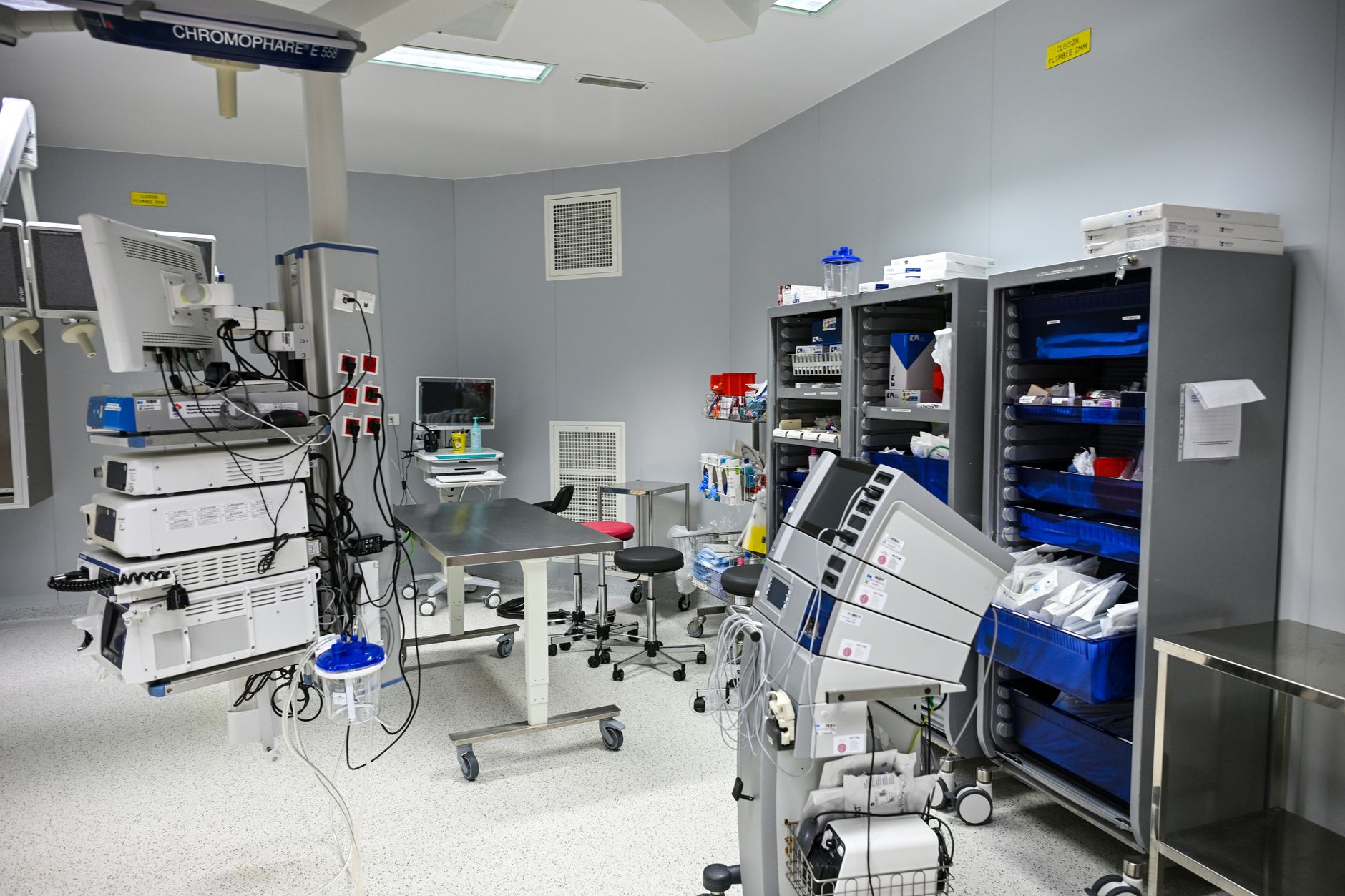
Overnight AGVs fed wards from central stores
Hospital teams built an intelligent logistics model around automated guided vehicles that pull supply carts from central storage to ward destinations after peak activity. Standard-quantity modules calculate daily needs so units receive automatic resupply without nurses filing manual requests.
The rollout phased from planning and data collection through pilot wards to broader coverage, aligning cart connections, safety devices, and night schedules with infection-control rules. Staff training focused on trusting overnight deliveries while keeping exception handling with people during the day.
- Night AGV cart runs to each ward
- Standard-quantity forecasting replaces manual orders
- Pilot wards before campus-wide expansion
Published metrics show time and space returned
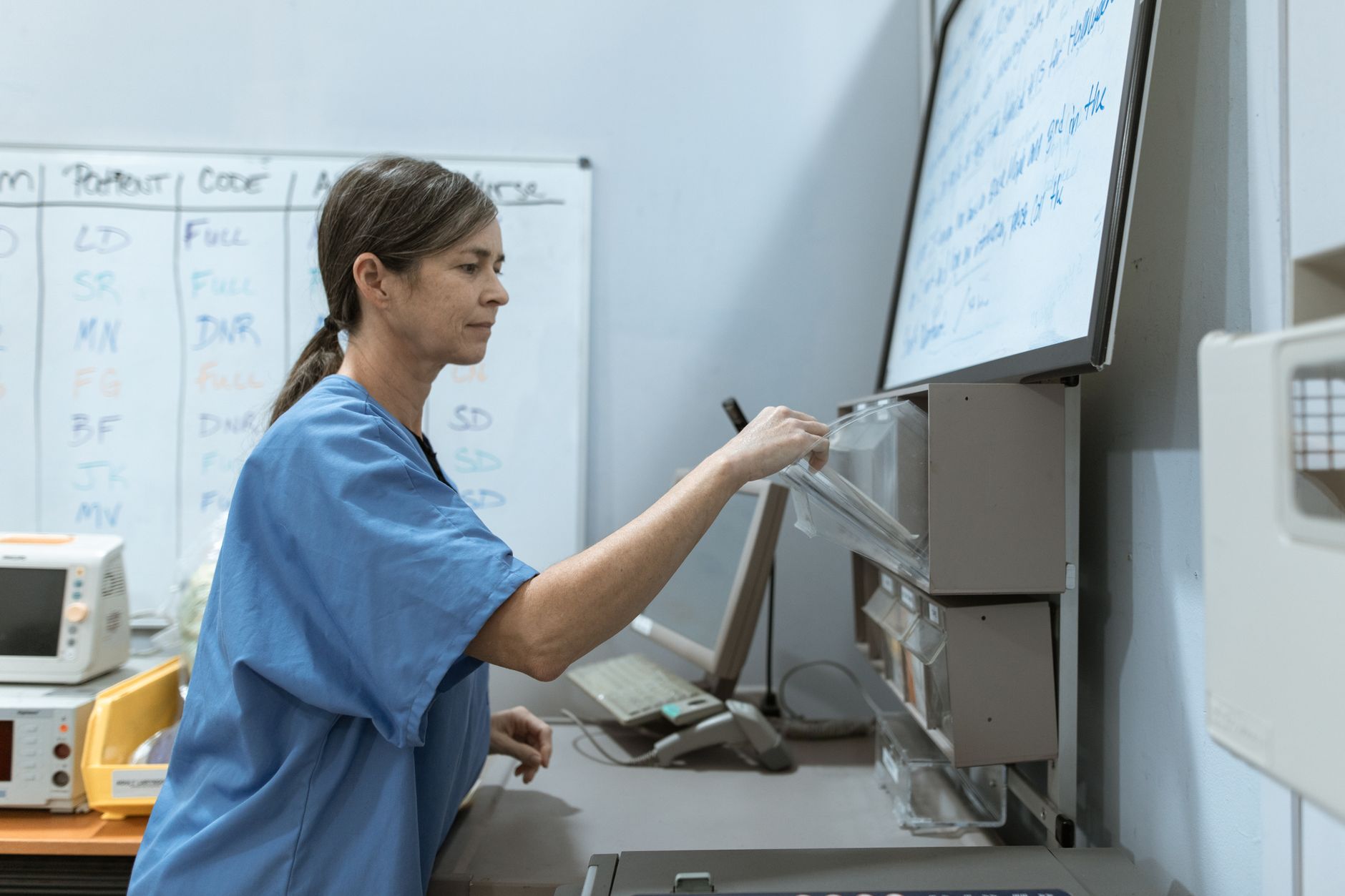
The documented program reports more than 30 minutes saved per ward each day on inspection and item organization tasks that nurses previously handled between patients. Leadership also cites a 71 percent reduction in treatment-site storage area because supplies consolidate in automated flows instead of ward closets.
Billing steps tied to manual counts were removed in the no-billing environment described in the award materials, and logistics shifted toward safer night movement with fewer daytime congestion points.
What US hospital operators can benchmark
This tertiary campus is not a Service Robot Co. customer. It shows how automated guided vehicles can absorb predictable supply loops that otherwise land on nursing teams.
US hospitals comparing hospital delivery robot buy or lease paths can pilot one overnight corridor from central stores to a single unit, measure minutes returned at the nurse station, then expand. One integrator can match AGVs or AMRs to elevator and cart interfaces, structure financing with monthly payments, map handoffs, train materials management staff, and support units under RoboCare after go-live.
When each ward gains half an hour daily, the aggregate hours rival adding headcount without expanding payroll. That is the operational case for automating night resupply before scaling fleet size.