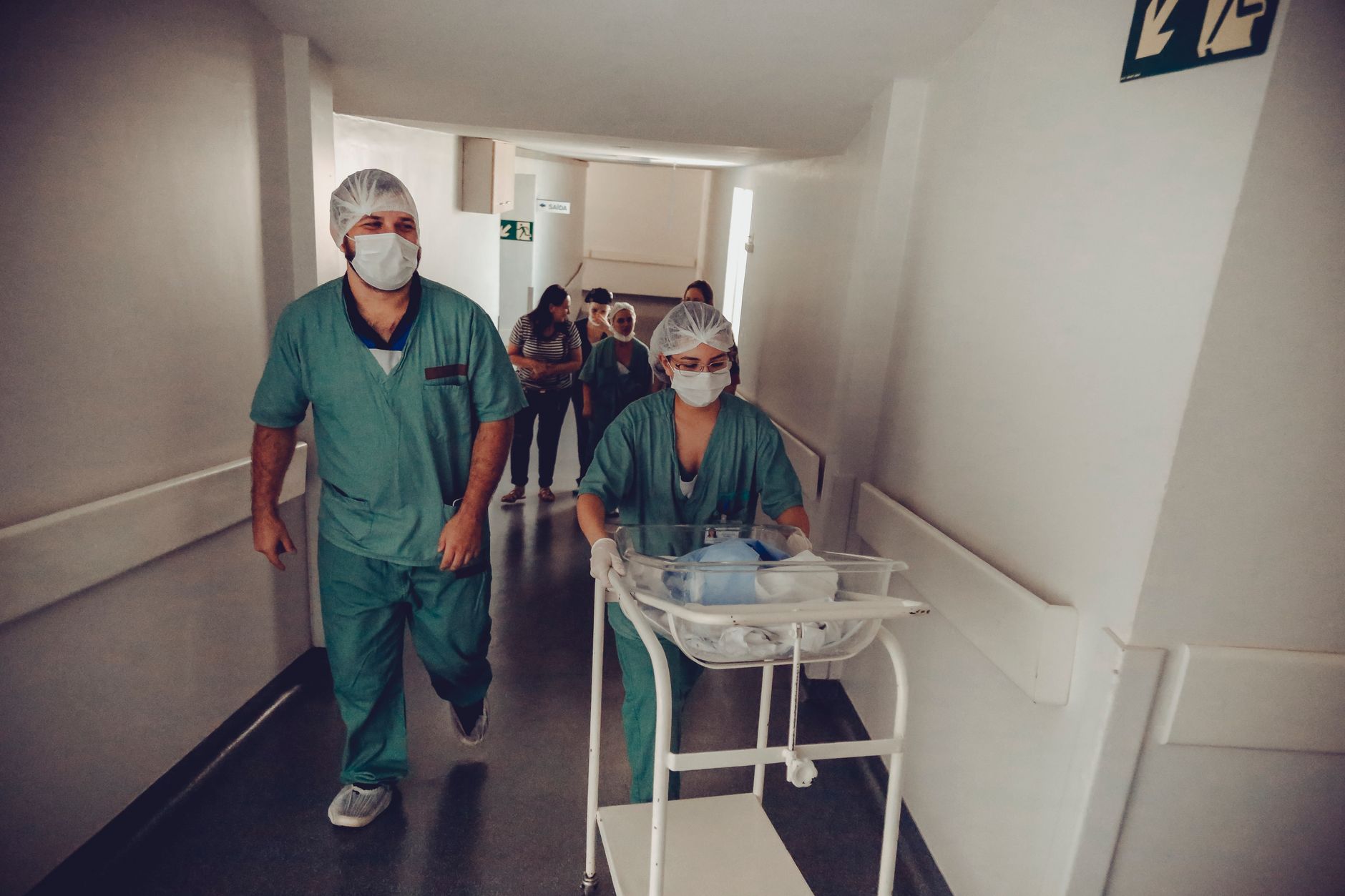
a 15-bed intensive care unit at a tertiary medical center in East Asia
How a Tertiary ICU Cut Nurse Logistics Time 82% With Automated Delivery Robots
A 15-bed ICU cut active supply transport from 111 to 20 minutes daily and freed 553 nursing hours a year with zone-based delivery AMRs. Lessons for U.S. hospitals.
- 82%
- less nurse logistics time daily
- 553
- nursing hours returned yearly
- 1,505 m
- less walking per day
- 15 beds
- ICU footprint served
Based on a documented real-world deployment. Figures are from public reporting; the organization is not named.
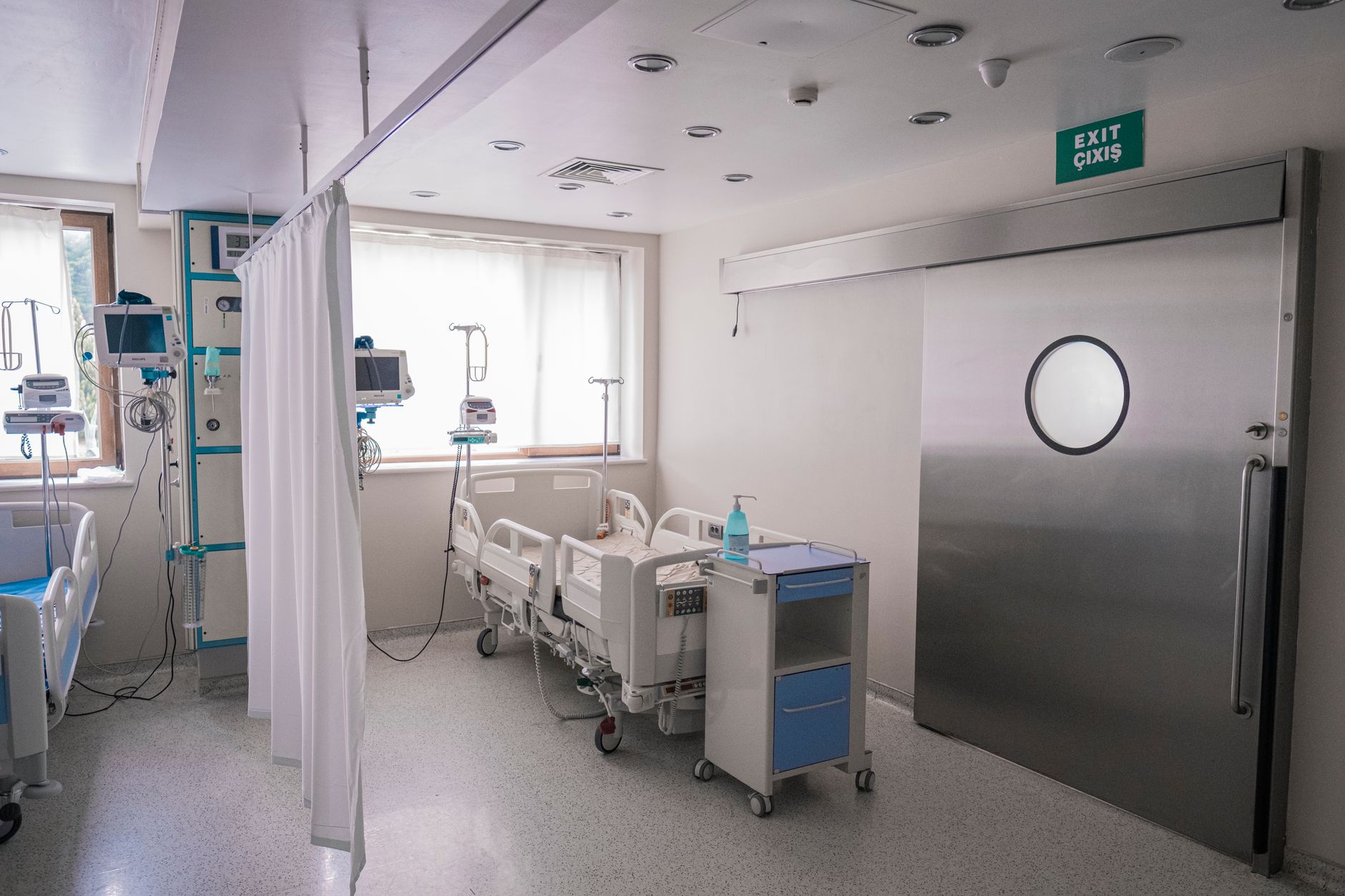
Critical care buried in supply runs
In a 15-bed intensive care unit at a tertiary medical center in East Asia, nurses were spending more than 111 minutes each day on active logistics. Linens, medications, and consumables still had to move between patient rooms and storage, and every trip pulled staff away from bedside work.
Time-and-motion observations showed that walking alone added up. Manual transport meant repeated round trips, uneven task bursts, and fatigue on a floor where minutes at the bedside matter. Leadership wanted a way to hold supply reliability without asking nurses to keep acting as couriers.
- More than 111 minutes of nurse time per day tied to moving supplies
- High walking load between rooms and central storage
- Need to protect bedside capacity on a 15-bed ICU
Zone-based delivery robots on a live ICU
The hospital compared usual manual transport with a robot-assisted logistics model built around automated delivery units and a zone-based deployment. Observers logged tasks while robot systems recorded their own runs, so daily transport time and volume came from real shift data rather than estimates.
Capital, integration, training, maintenance, software, and power were all counted in the economic review, with costs annualized over a seven-year equipment life and a standard discount rate. Nurses still handled picking at the room, but scheduled robot rounds consolidated the long walks between storage and the unit.
- Baseline manual transport measured with time-and-motion study and robot task logs
- Zone-based robot routes to batch supply deliveries
- Phased comparison of manual versus robot-assisted logistics on the same ICU footprint
Measured relief on the floor
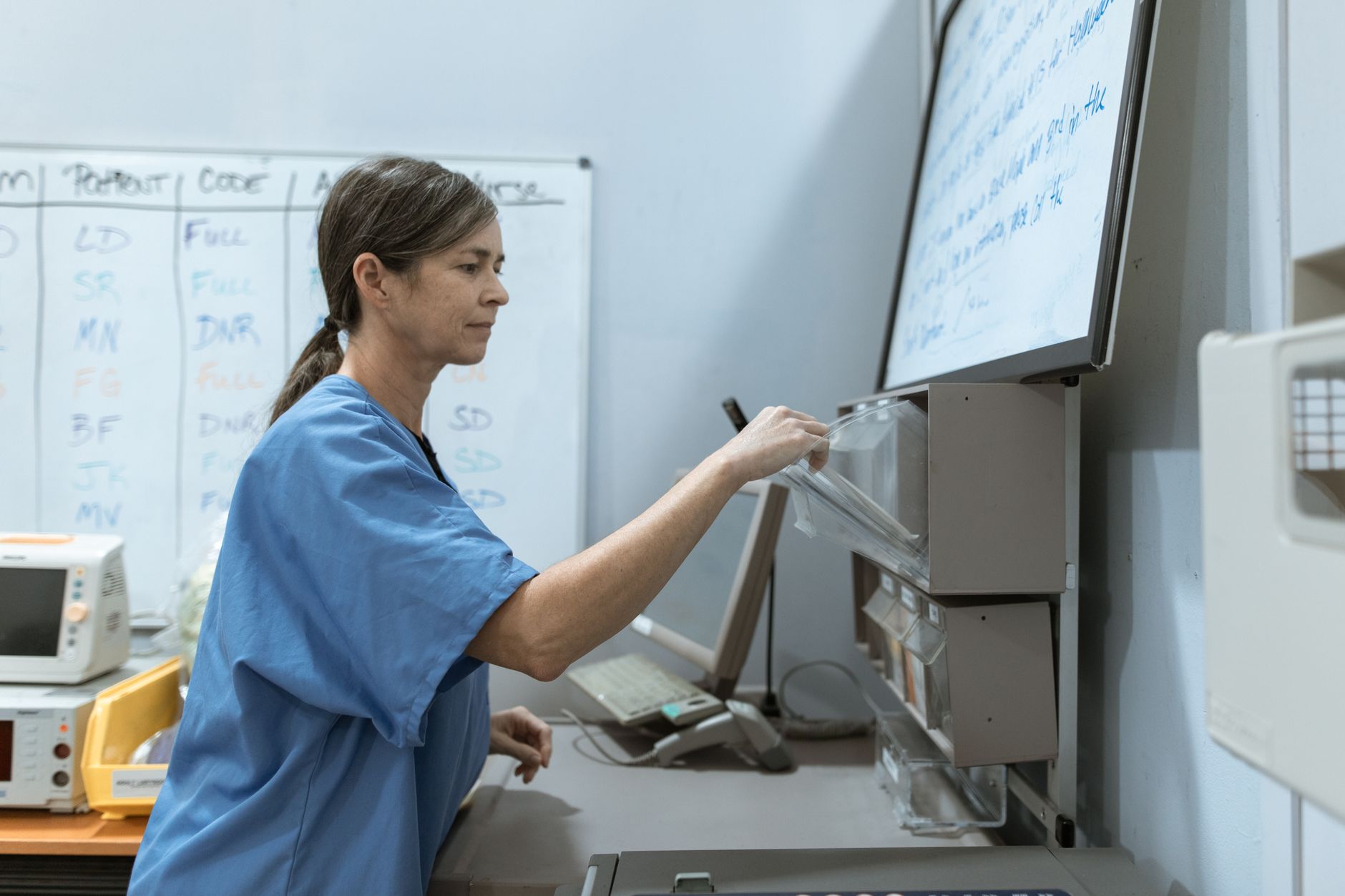
Against usual care, the automated delivery program cut nurses active logistics time from 111.34 minutes per day to 20.43 minutes per day. That is an 81.6 percent reduction, equal to about 553 nursing hours released across a year on this unit.
Daily walking distance for those transport tasks fell by 1,505 meters. Nurses kept responsibility for patient-facing work while the robots absorbed the repetitive corridor mileage that had been eating the shift.
What U.S. ICU leaders can take from this
This deployment was studied at a tertiary ICU in East Asia, not by Service Robot Co. The numbers still matter for U.S. operators facing the same courier work on critical-care floors. Hospital delivery robot rental and autonomous mobile robot programs only pay off when zoning, charging, and nurse workflows are mapped before go-live.
Service Robot Co. is a vendor-neutral integrator for commercial robot rental, lease, and sale across manufacturers. We finance, deploy, train, and service hospital delivery and AMR fleets through a nationwide engineer network, so one partner owns site assessment, integration, and maintenance instead of a patchwork of vendors.