
a Texas-based home furnishings distributor running multi-facility outbound loading
How a Texas Home Furnishings DC Cut Truck Loading Time 75%
A Texas home furnishings distributor cut truck loading from up to two hours to about five minutes with autonomous loaders, reporting 75% faster unloading.
- 75%
- Faster unloading
- 5 min
- Typical load time
- 4x
- Throughput gain
- 15
- Robots deployed
Based on a documented real-world deployment. Figures are from public reporting; the organization is not named.
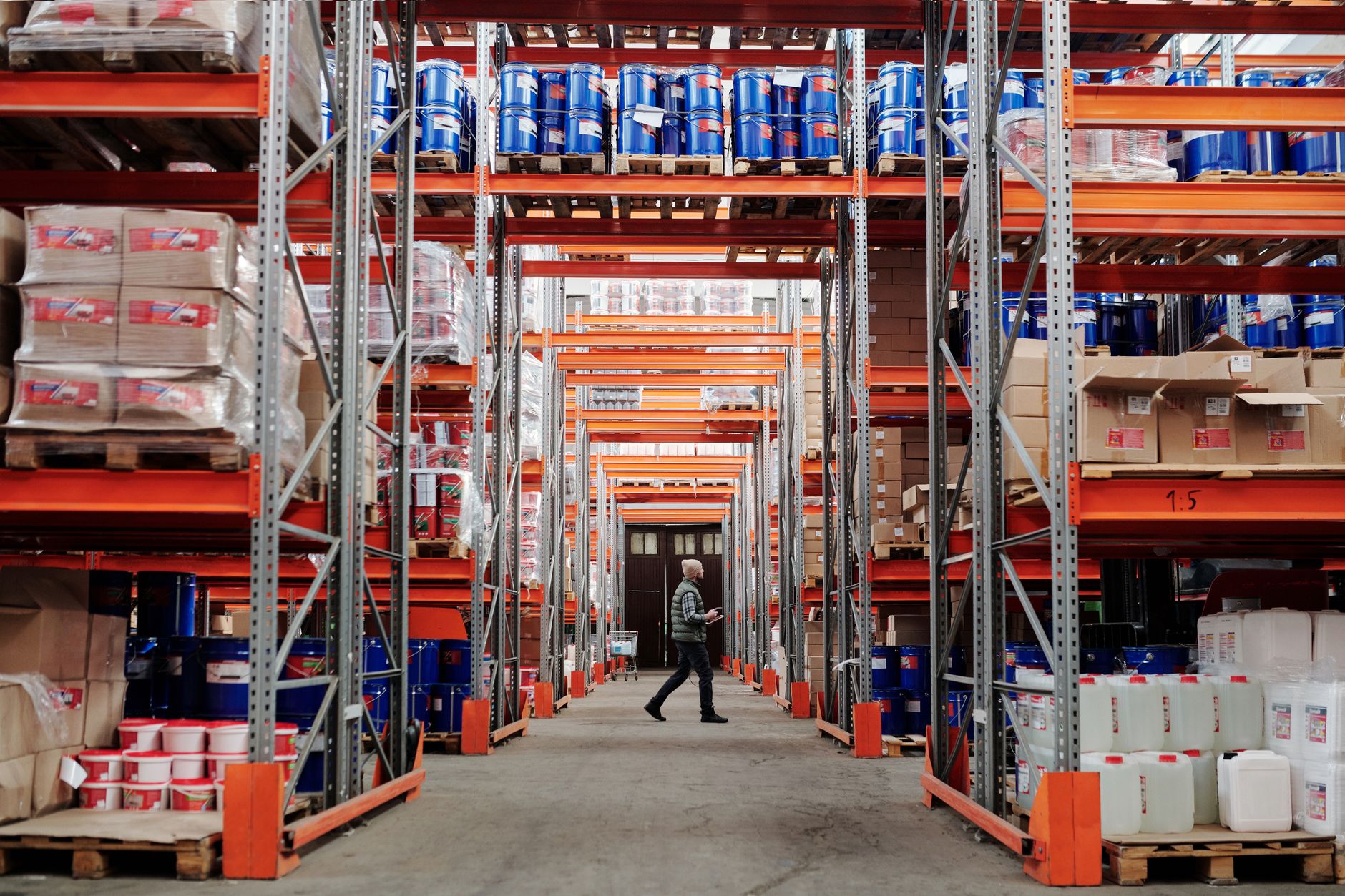
Growth turned every truck into a crew event
A Texas-based home furnishings distributor running multi-facility outbound loading was moving everything from lightweight decor to heavy tables without palletized consistency. Warehouse transfers relied on dollies, floor queues, and teams that could swell to about 13 people per truck.
Each load could take 90 to 120 minutes of hand work, often in summer heat where turnover on contract labor was a constant drag. Leadership wanted automation, yet a major ERP migration meant integration-heavy projects would not land until 2026.
The mix of sizes and floor-loaded freight made traditional conveyor or WMS-tied systems a poor fit. They needed a path that respected existing pick routes and dock layouts.
Drop-in loaders that skipped the IT queue
After evaluating options at a 2024 trade show, the team chose mobile autonomous loaders that required no Wi-Fi, no WMS hooks, and no facility rebuild. The supplier ran an on-site demo on the real lane before contract work began.
High-bay pickers still pulled carts from rack, but product rolled straight onto the mobile units instead of staging on the floor. The units drove into trailers, traveled between Austin-area and other Texas sites, and unloaded so receivers could access all four sides.
Fifteen units rolled out across multiple buildings within about six months from first contact, with less than one week of operator training on handheld controls.
- Prove the lane with a live demo before purchase
- Load at the pick face instead of building floor queues
- Move loaded units building to building inside trailers
- Train dock staff in under one week on simple controls
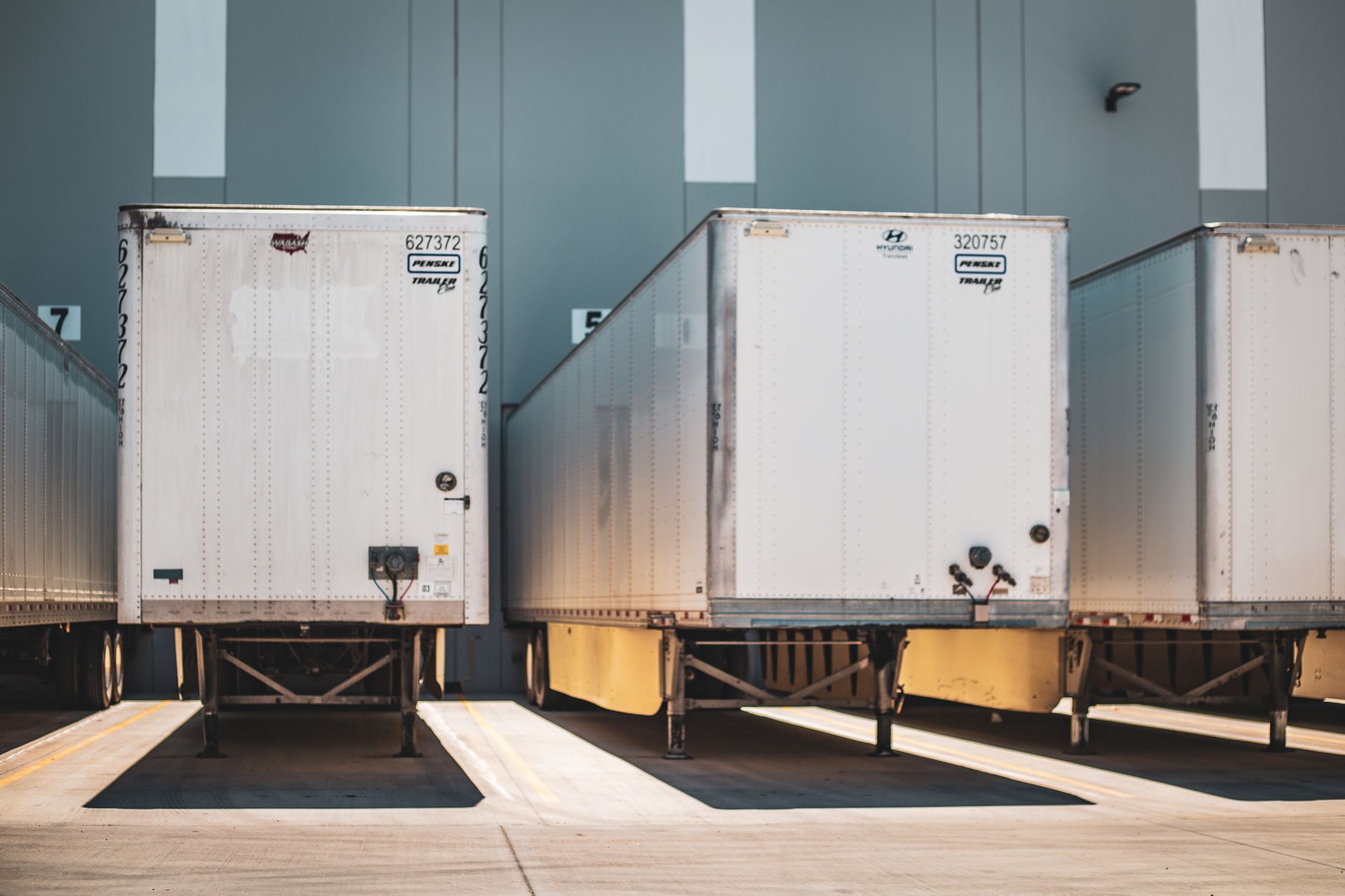
Dock time collapsed while touches fell
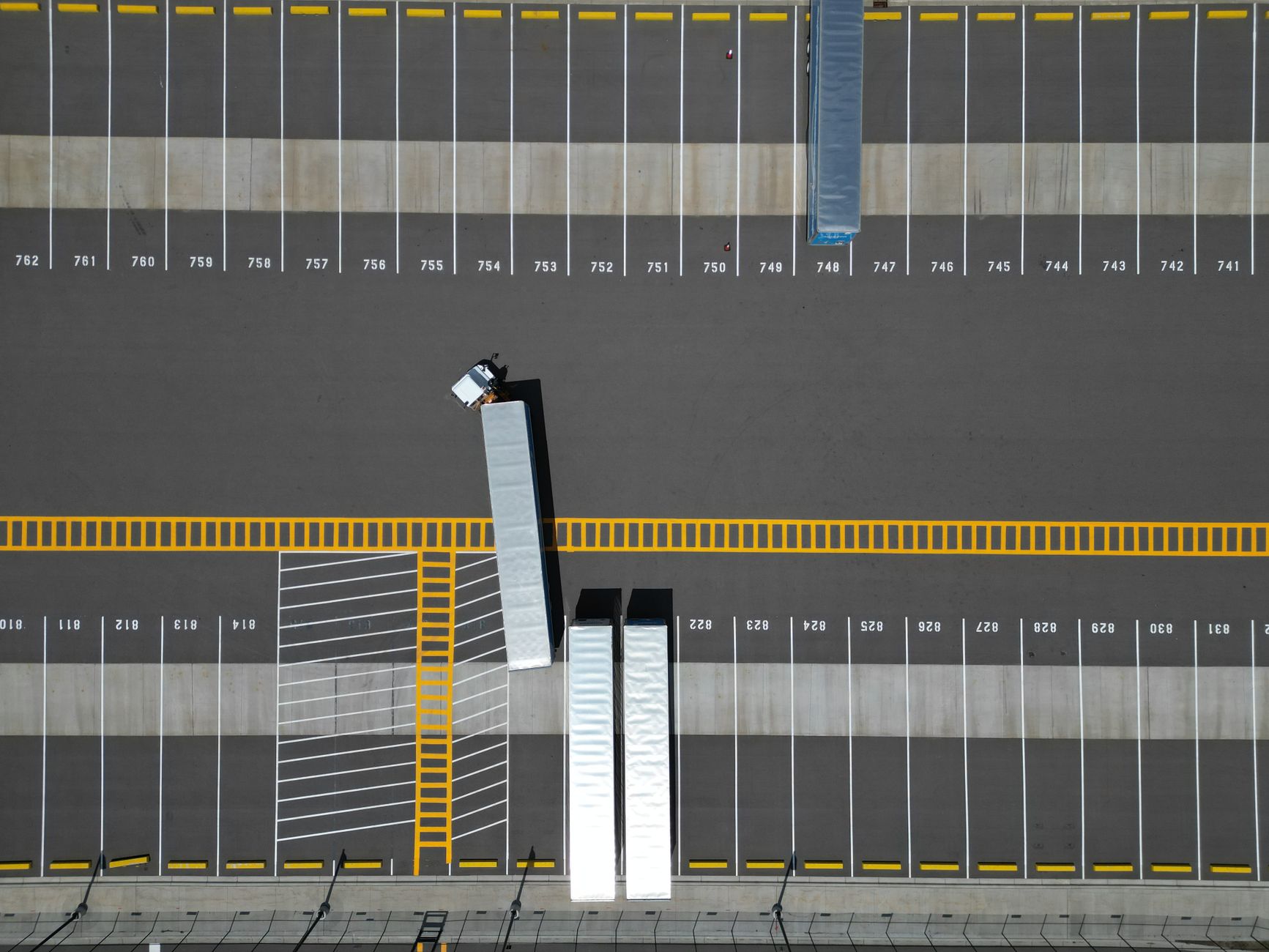
Documented results show unloading about 75% faster and loading about 50% faster, with product touches cut roughly in half and nighttime contract labor down about 50%.
Typical loads dropped from 90 to 120 minutes with 10 to 13 people to about five minutes with one operator. Fleet utilization improved because trailers cycled faster without adding trucks.
Management reported immediate return inside the first week of operation and throughput rising about fourfold once 15 robots were active network-wide.
What this pattern means for your docks

This story is a documented industry example, not a Service Robot Co. customer record. It shows how OEM-neutral selection can favor loaders that avoid a multi-year IT wait when ERP work is already booked.
Service Robot Co. helps US operators compare autonomous truck-loading, cart AMR, and other material-handling categories, then finance, deploy, and support the choice through a nationwide network of regional service engineers.
If your team still staffs double-digit load crews, a free site assessment can map whether a low-integration mobile loader fits before you commit capital.