
a large private golf club operating three courses in the Philadelphia suburbs
How a Three-Course Private Club Automates Mowing Equal to One Full Layout Weekly
A private Philadelphia-area club runs about thirty autonomous mowers and reports weekly mowing equal to one full 18-hole course while crews focus on in-play turf.
- 1 course
- Weekly area cut
- 3 layouts
- Club footprint
- 30 units
- Autonomous fleet
- 24/7
- Quiet windows
Based on a documented real-world deployment. Figures are from public reporting; the organization is not named.
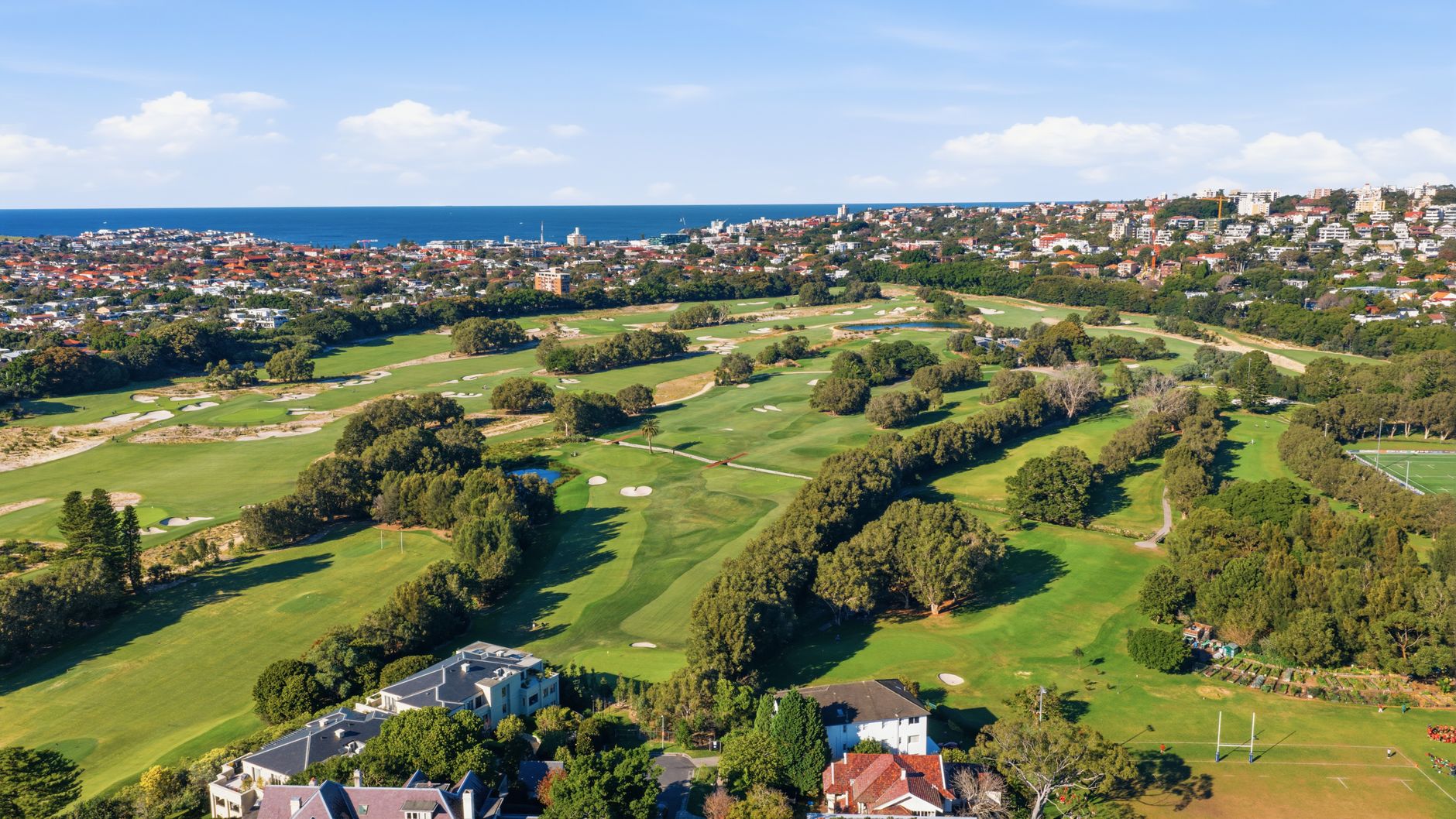
Scaling rough work across three courses
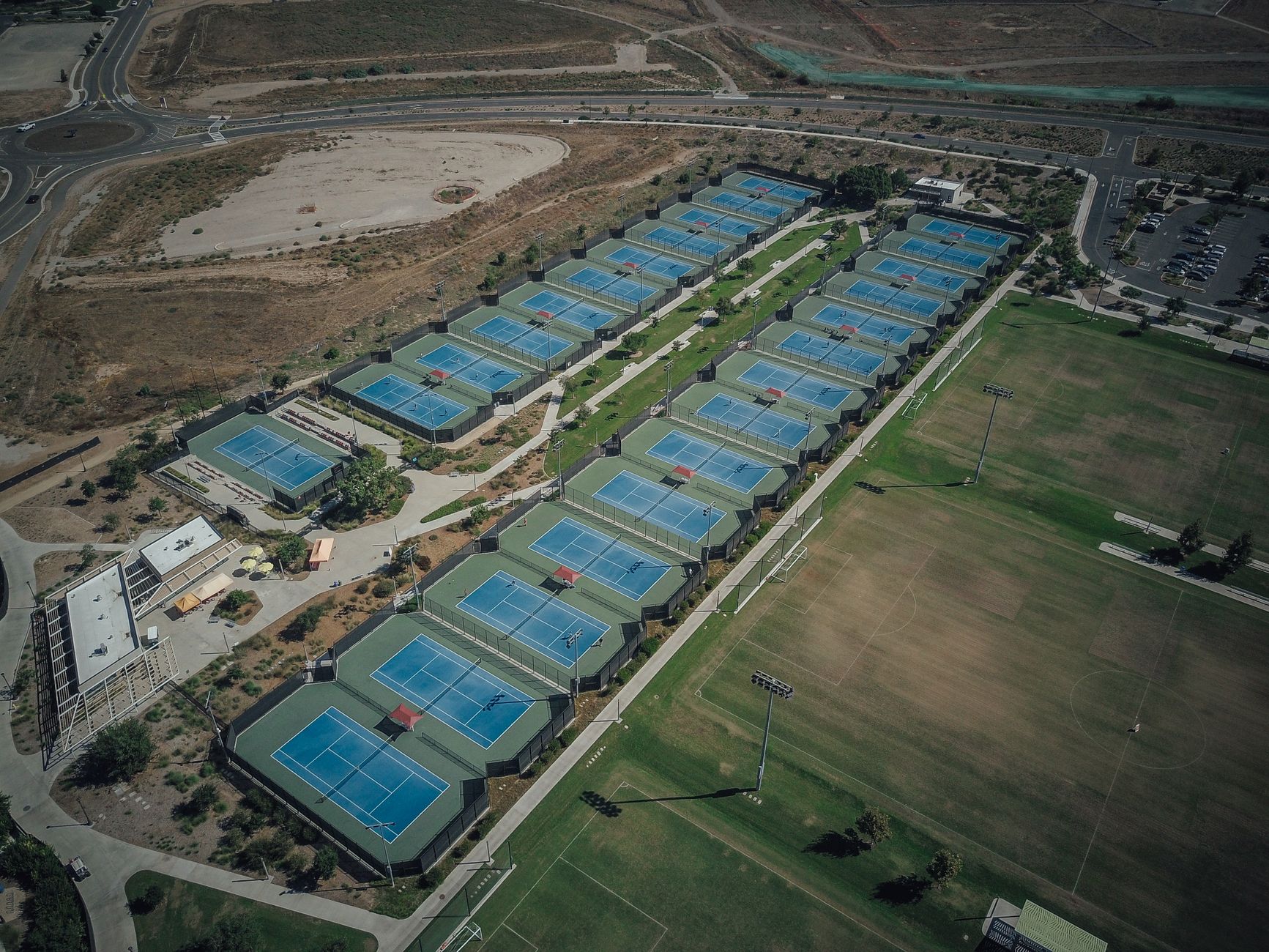
This club maintains three full layouts plus tennis, lawns, and an athletic field on a tight suburban site where neighbors notice noise and weekend play never really stops. Primary rough and large turf areas demanded repetitive mowing that pulled mechanics and operators away from greens, tees, fairways, and bunkers.
Leadership wanted more consistent large-area cuts without adding headcount or running loud equipment beside residences at dawn.
Fleet deployment beyond fairways
The team built a fleet of about thirty autonomous mowers deployed across lawns, tennis courts, the athletic field, and the majority of primary rough on all three golf courses. Units run on schedules that take advantage of quiet operation, including overnight passes that avoid member tennis and neighborhood complaints.
Greens, tees, fairways, and bunkers stayed on traditional crew plans while robotics handled the wide zones that had been eating calendar time. Staff concentrated scouting, irrigation fixes, and presentation work on in-play areas golfers judge first.
- Map rough and lawn zones with clear stay-out boundaries
- Stage overnight routes away from guest rooms and courts
- Keep in-play turf on hand-crew schedules
- Monitor weekly output against one-course equivalent target
- Adjust routes seasonally as growth and play change
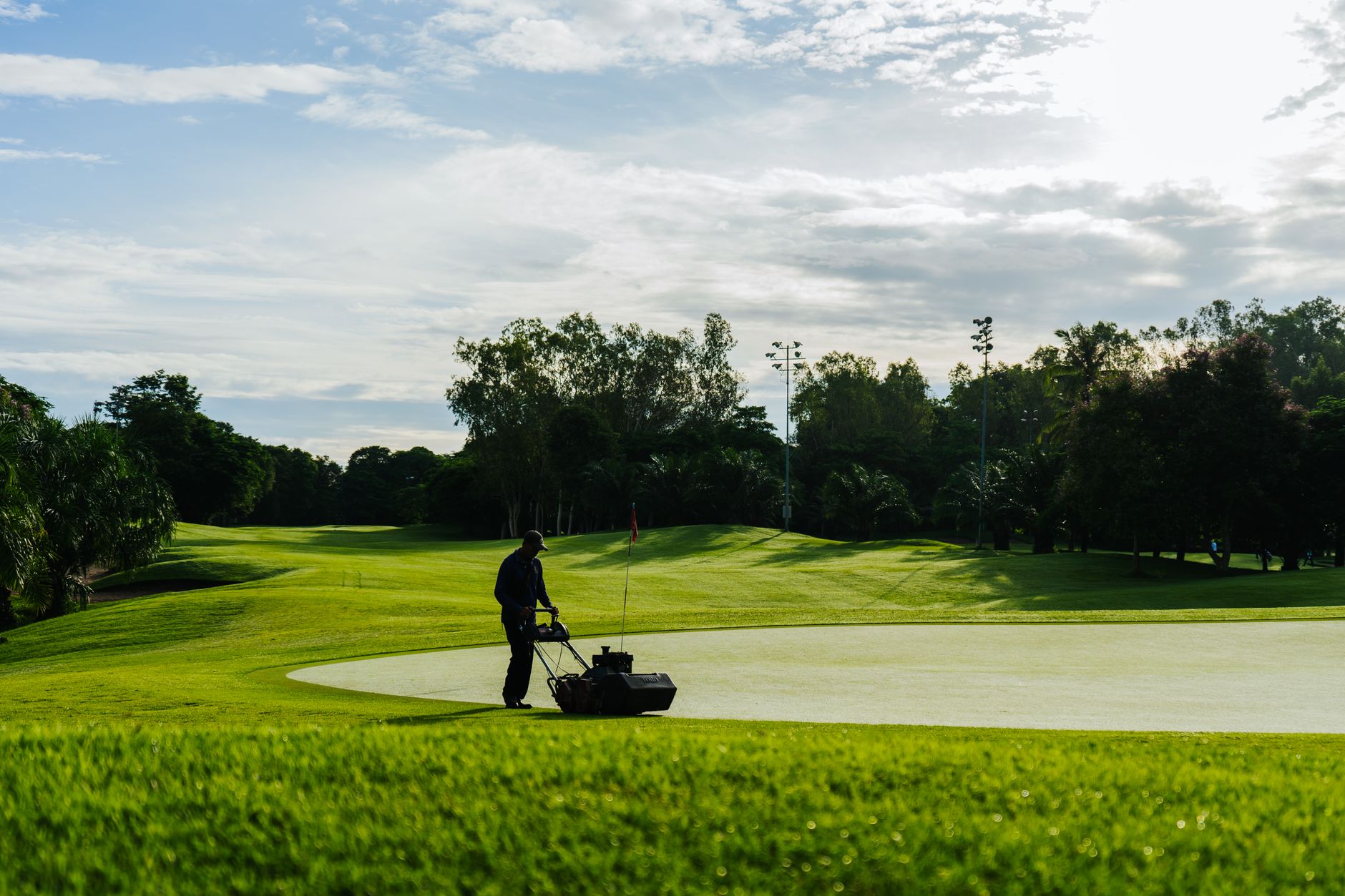
Weekly output equal to a full course
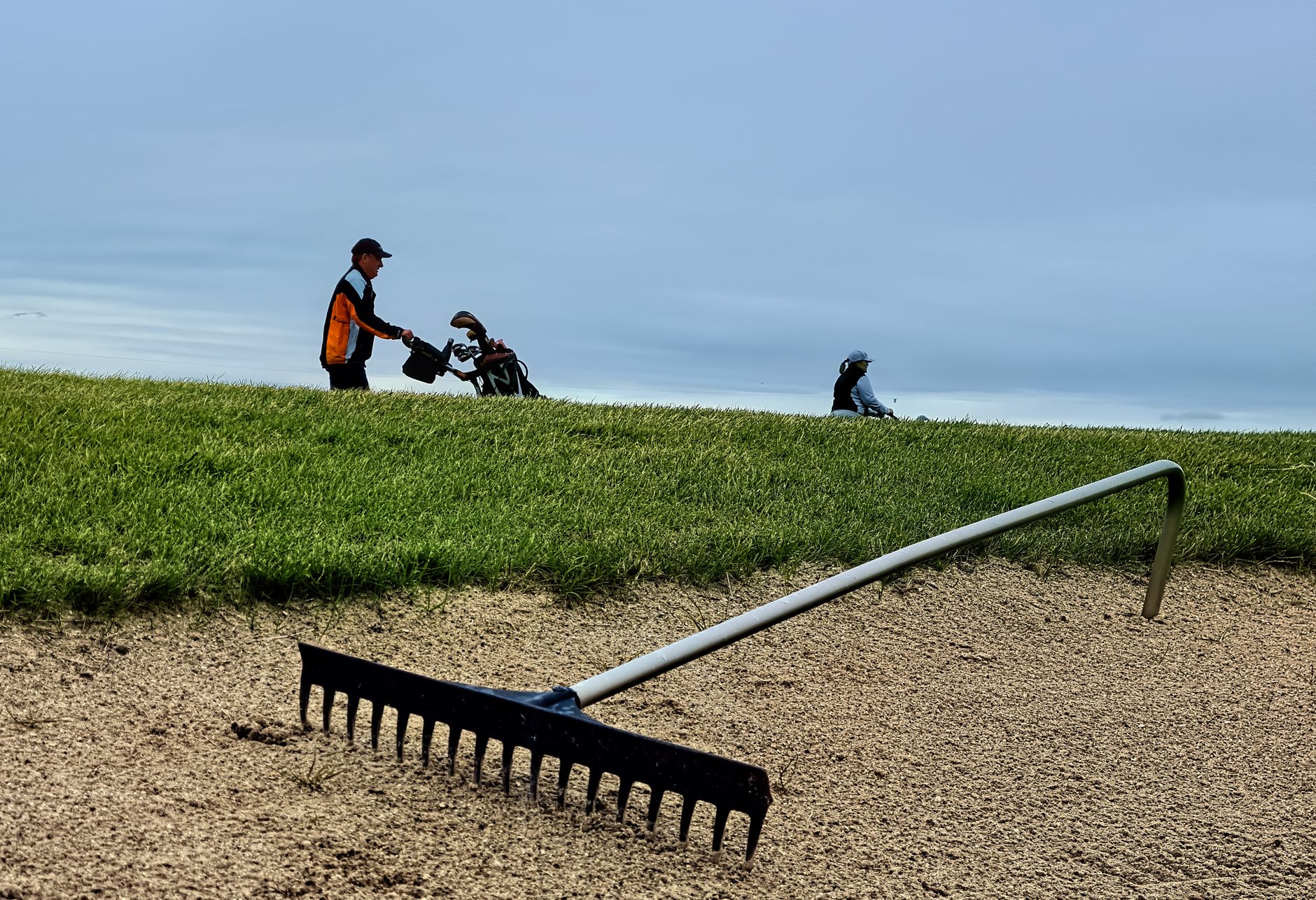
Published trade reporting quotes the director of golf course operations saying the autonomous fleet now mows about the equivalent of one entire golf course each week across the property. That volume moved off ride-on calendars while cut quality on large areas stayed steady.
Quiet passes let the shop mow when activities are closed without phone calls from neighbors. Crew time shifted toward bunkers, approaches, and detail mowing members notice in reviews.
The club was not struggling to find every hire, but robotics still reallocated skilled hours toward higher priority in-play work rather than repeating the same rough loops.
What this means for your club
This example shows how a multi-course private club can automate large turf without pretending robotics replaces cup cutting. Service Robot Co. maps fairways and rough, sets buy-or-lease financing, trains your lead, and supports units under RoboCare while your team owns agronomy on greens and tees.
Vendor-neutral selection matters when a property mixes golf, tennis, and lawns. One integrator can scope phased rollouts so you prove weekly output before expanding routes.