
a German tyre reconditioning plant moving trolleys between production and warehouse
How a Tyre Plant Replaced Tugger Runs With Multiterrain AMRs Indoors and Out
IFR-documented Rigdon Innok INDUROS AMRs couple tyre trolleys hall to warehouse on rough indoor-outdoor floors, citing 1.0 to 2.5 year ROI and up to €40k per shift yearly.
- 1-2.5 yr
- ROI cited
- €40k
- Per shift/yr cited
- 24 hr
- Runtime cited
- Days
- Integration cited
Based on a documented real-world deployment. Figures are from public reporting; the organization is not named.
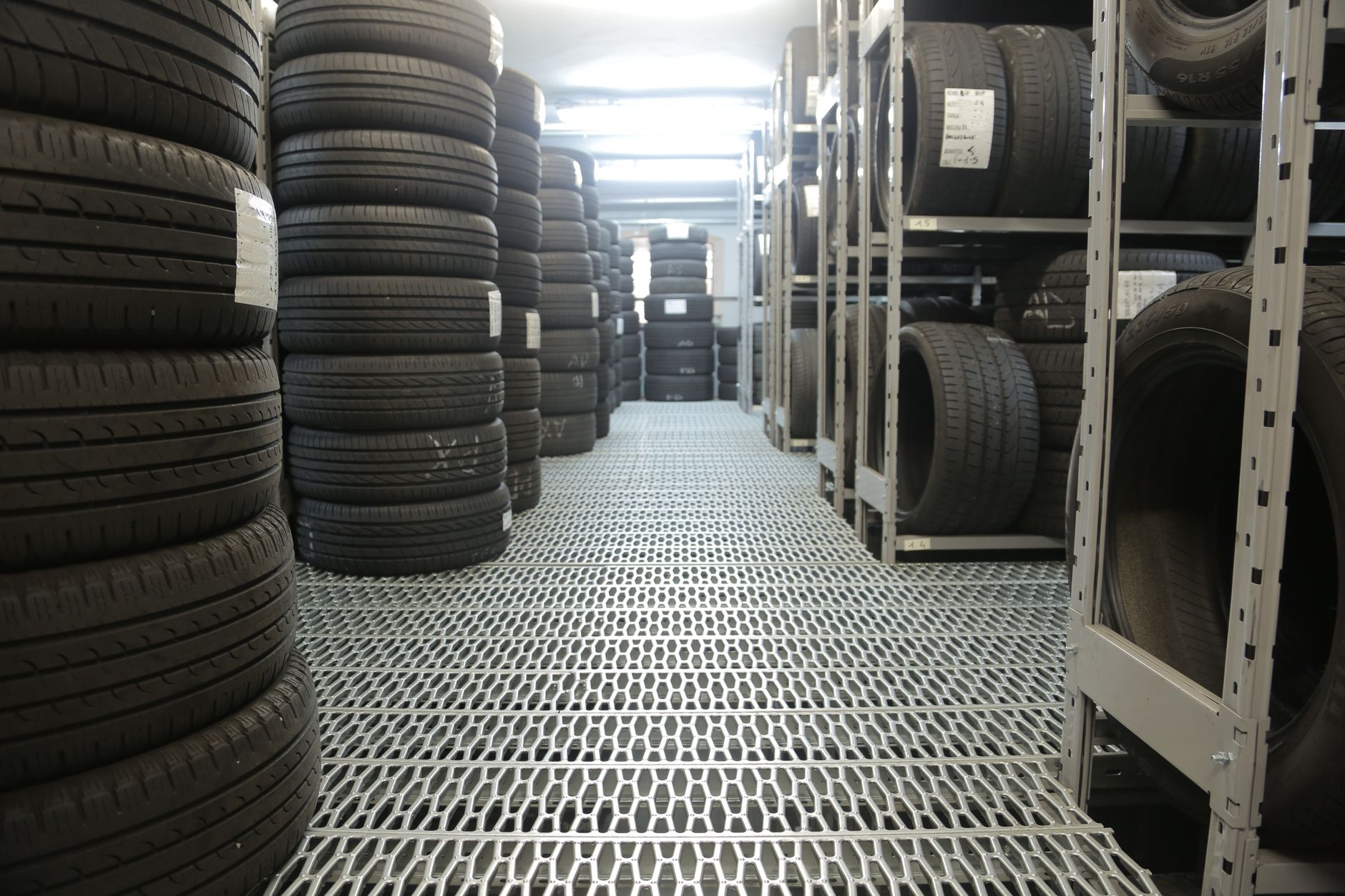
Rough floors and night-shift staffing gaps
Rigdon reconditions tyres in Günzburg, Germany, moving high volumes between production stations and warehouse daily, according to the IFR case.
Manual transport was inefficient and floor conditions in halls and outdoor yards were poor enough that conventional robotic vehicles were not viable, while night-shift hiring grew harder.
- Move tyre trolleys between stations and storage
- Couple and uncouple carts without human drivers
- Operate on gravel, bumps, and uneven hall floors
- Avoid costly building retrofits for navigation
INDUROS multiterrain AMR with hybrid navigation

Innok Robotics deployed an INDUROS AMR built for demanding indoor and outdoor routes, coupling and uncoupling tyre trolleys autonomously between production and warehouse, per the IFR article.
Hybrid navigation avoided structural changes to buildings or terrain, while certified laser and outdoor safety scanners supported crowded mixed traffic.
Innok Cockpit software configured navigation and orders quickly; integration into daily operations completed within a few days according to the source.
- Start with tyre trolley loops between hall and warehouse
- Use multiterrain driving over speed bumps and gravel
- Recharge inductively during idle windows
- Manage fleet orders through Innok Cockpit
- Plan future units on VDA5050-style standards cited
Documented efficiency and cost claims
The IFR evaluation cites higher efficiency from autonomous coupling and reliable station-to-warehouse moves, with up to twenty-four hour operation cycles and inductive charging between tasks.
Published ROI ranges from one to two and a half years versus human-operated vehicles, with savings up to forty thousand euros per shift per year depending on utilization.
Skilled workers shift toward qualified tasks while digital navigation handles precise control in difficult environments, per the case summary.
What U.S. plants can take from the pattern
This is a documented deployment analyzed by Service Robot Co., not a claimed client win. The transferable idea is outdoor-capable AMRs with autonomous trailer coupling when floors are too rough for traditional AGVs and night drivers are hard to hire.
Service Robot Co. maps similar indoor-outdoor tug loops, charging, and safety zones, then finances, deploys, trains, and services OEM-neutral mobile robots under RoboCare nationwide. A free site assessment checks pavement, coupling hardware, and shift coverage before you buy or lease.