
a U.S. Air Force squadron operating a warehouse on an air base
Air Force Warehouse Floor Scrubber Case Study: Over 1,200 Hours a Year
How an Air Force squadron's autonomous floor scrubber covers 13,000 square feet in about two hours and saves over 1,200 manual cleaning hours a year.
Deployment at a glance
- 1,200+
- Manual cleaning hours saved each year
- 13,000 sq ft
- Warehouse floor the scrubber can clean in about two hours
- Autonomous
- Floor cleaning moved from airmen to the robot
Based on a documented real-world deployment. Figures are from public reporting; the organization is not named.
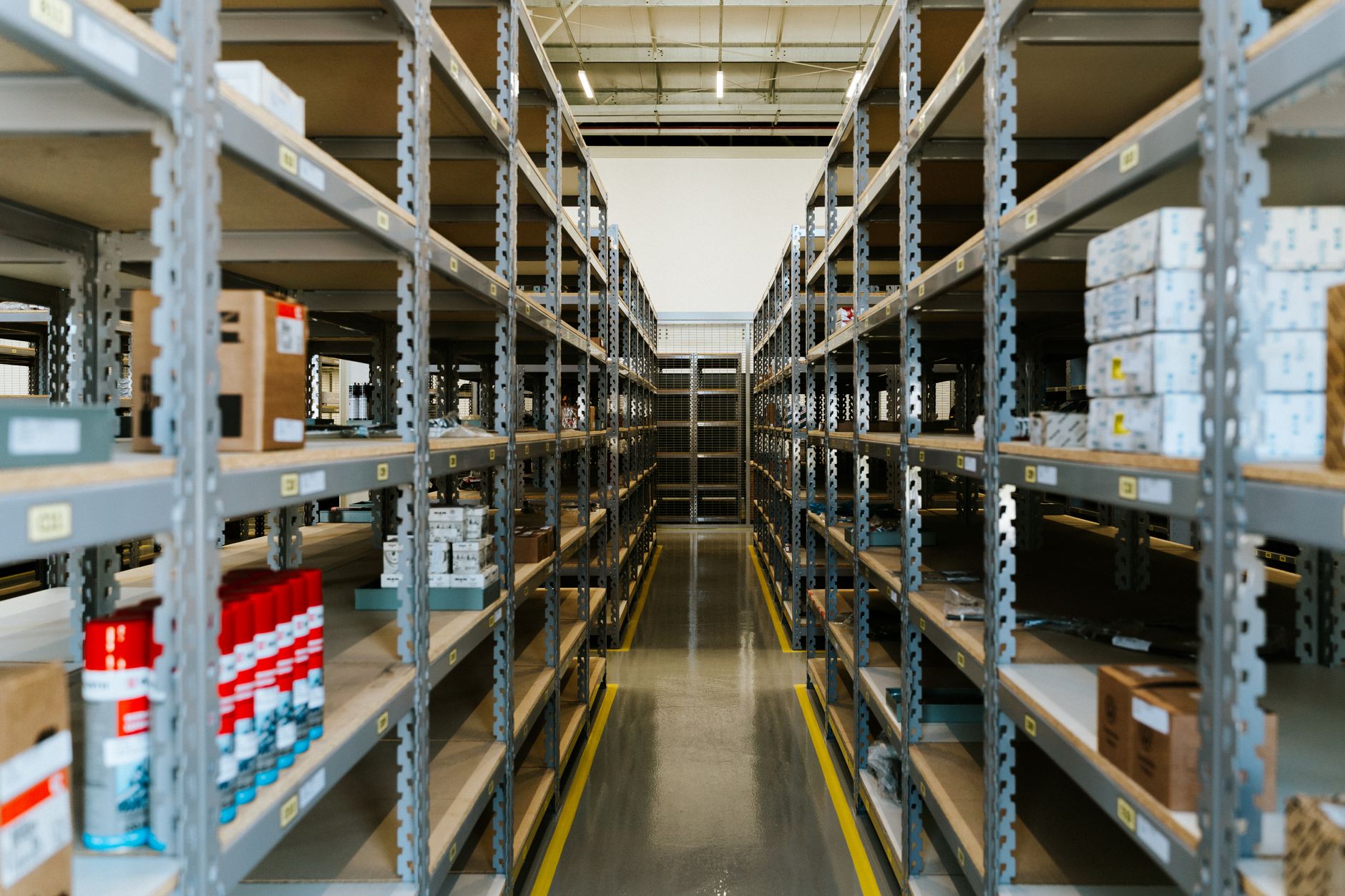
Floor cleaning that pulled airmen off their core work
Floor care in a working warehouse never fully stops. Dust, grit and spilled material gather between shifts, and someone has to clear them before the next crew moves through the aisles.
For this squadron, that someone was its own airmen. Manual cleaning passes across the warehouse took hours that could have gone to logistics work, and the task came back on every cleaning cycle.
A floor scrubber takes over the cleaning passes
The squadron brought in an autonomous floor scrubber to carry the cleaning passes that airmen had been doing by hand. Its work is the warehouse floor itself, a space of about 13,000 square feet that the machine can clean in roughly two hours.
Handing that work to a robot changed where the unit's people spent their time. The scrubber runs its route on its own, and airmen could return to warehouse work that actually needed a person.
A facility team weighing the same path can start with a few steps.
- Measure the floor area and map aisles, obstacles and traffic patterns
- Time a full cleaning pass at your own square footage
- Set the cleaning window around stock movement and shift changes
- Train staff to supervise the scrubber and handle exceptions
- Confirm service coverage so one stalled unit does not idle the floor
More than 1,200 hours back each year
The headline result is more than 1,200 hours saved each year on manual floor cleaning. That time no longer goes to pushing cleaning passes across the warehouse, and because the saving recurs, it is the figure most worth carrying into a planning conversation.
On coverage, the scrubber can clean the warehouse's 13,000 square feet in about two hours. That pace lets a single machine keep up with a floor of this size, though every building will need its timing measured against its own layout and traffic.
These results belong to one warehouse on one air base. They show what is possible for a floor of this kind, not a forecast for other facilities.
What this means for a floor scrubber lease
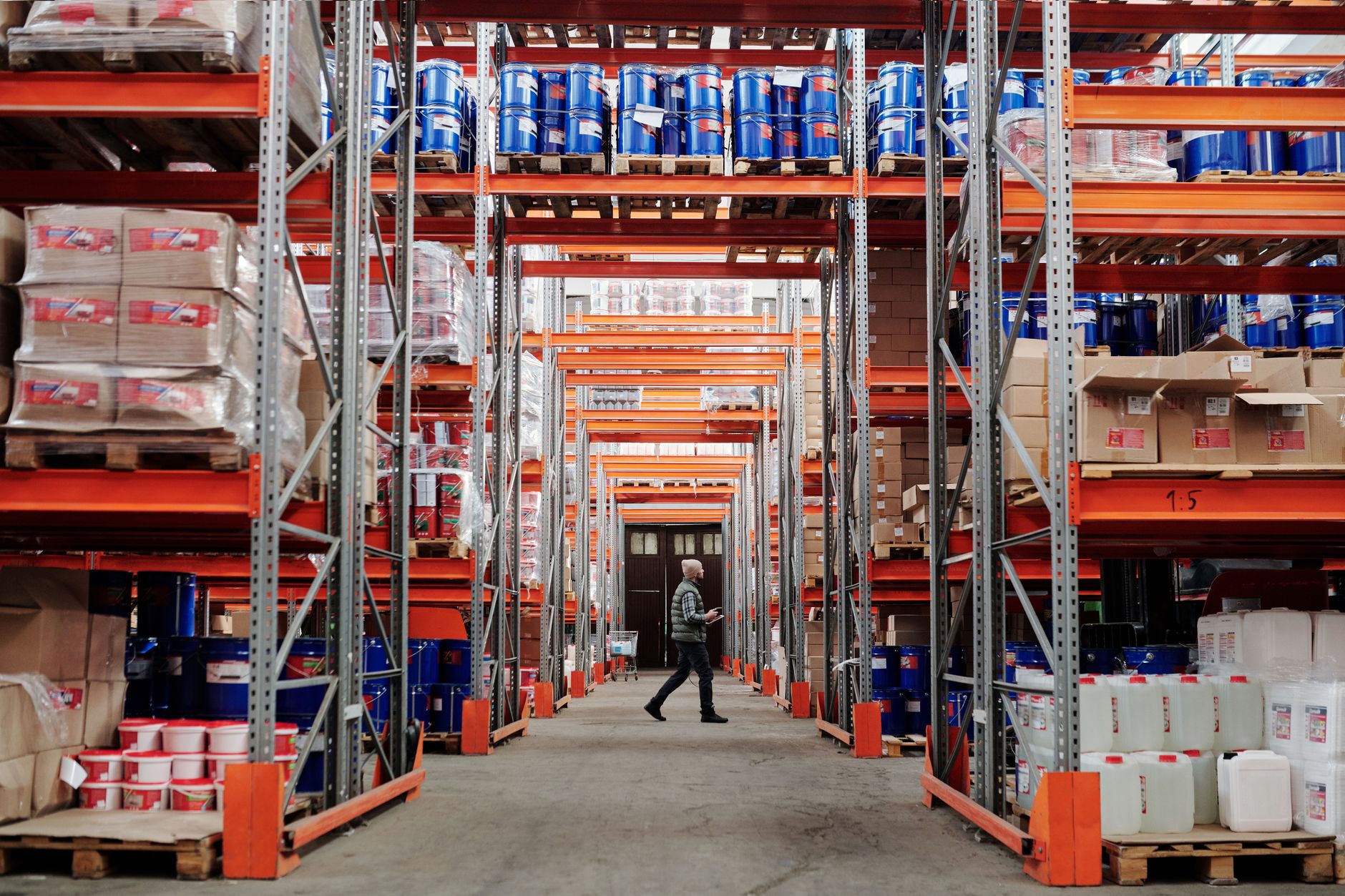
This account is the squadron's story, not a Service Robot Co. project. What it shows is a pattern many facility managers will recognize: a cleaning task that repeats every cycle and draws hours away from the work the building exists to do.
Service Robot Co. is a full service, OEM neutral commercial robot integrator for US businesses. We select the right robot across manufacturers, then finance, deploy, integrate, train and service every unit through a nationwide US engineer network, so one partner covers the whole lifecycle.
For a warehouse team, that means a three year robot lease with one fixed robot lease payment, quoted after a site assessment. Robot lease options can start with one leased unit, so a floor scrubber for warehouses can be tested on one floor before any larger commercial robot leasing decision is made.
Frequently asked questions
Want a robot working for you?
Tell us the job and the site. We will recommend the robot, quote the lease, and keep it serviced.