a large public university student union building in the Midwest
How a University Student Union Halved Daily Floor Scrubbing Time
Midwest university student union case: three autonomous scrubbers cut daily scrubbing about 50%, added 245 labor hours in one February month, floors ready by 8 a.m.
- ~50%
- Less scrub time
- 245 hr
- Feb. month
- 3
- Scrubbers
- 8 a.m.
- Floors done
Based on a documented real-world deployment. Figures are from public reporting; the organization is not named.

Opening-hour pressure on hard floors
A large public university student union building in the Midwest opens early, and custodial crews needed entrances and main circulation floors ready before a 7 a.m. start. Manual autoscrubbing on those hard surfaces routinely stretched five to six hours each cycle.
That schedule left little slack for dining resets, event turnover, or detail work when student traffic spiked between classes. Leadership wanted earlier finish times without adding overnight headcount.
- 7 a.m. opening target for public-facing floors
- Five to six hours of manual scrubbing per cycle
- Limited crew time for resets and detail tasks
Three autonomous scrubbers on main routes
Facilities added three compact autonomous floor scrubbers from the robot supplier on the heaviest student union routes. Crews kept ownership of setup, water changes, and edge work while the machines handled repetitive scrub passes on mapped paths.
Training focused on charging locations, stay-out zones around food service, and quick route edits when furniture layouts shifted for events. Supervisors reviewed run logs weekly before expanding night coverage.
- Deploy three autonomous scrubbers on primary hard-floor loops
- Map charging and exclusion zones near dining and entries
- Train leads on route edits after layout changes
- Review utilization before adding overnight cycles
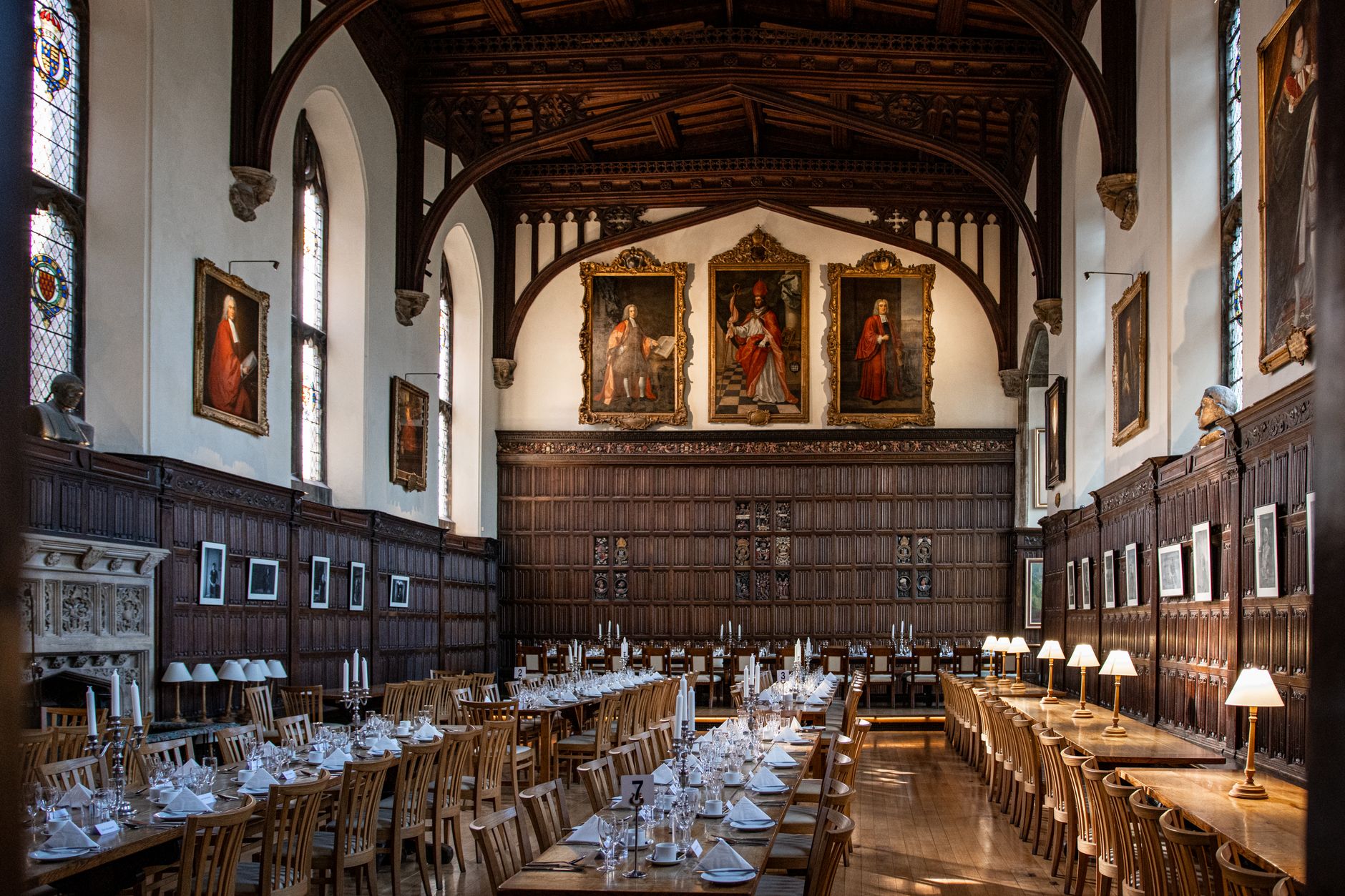
Earlier finishes and verified hour gains
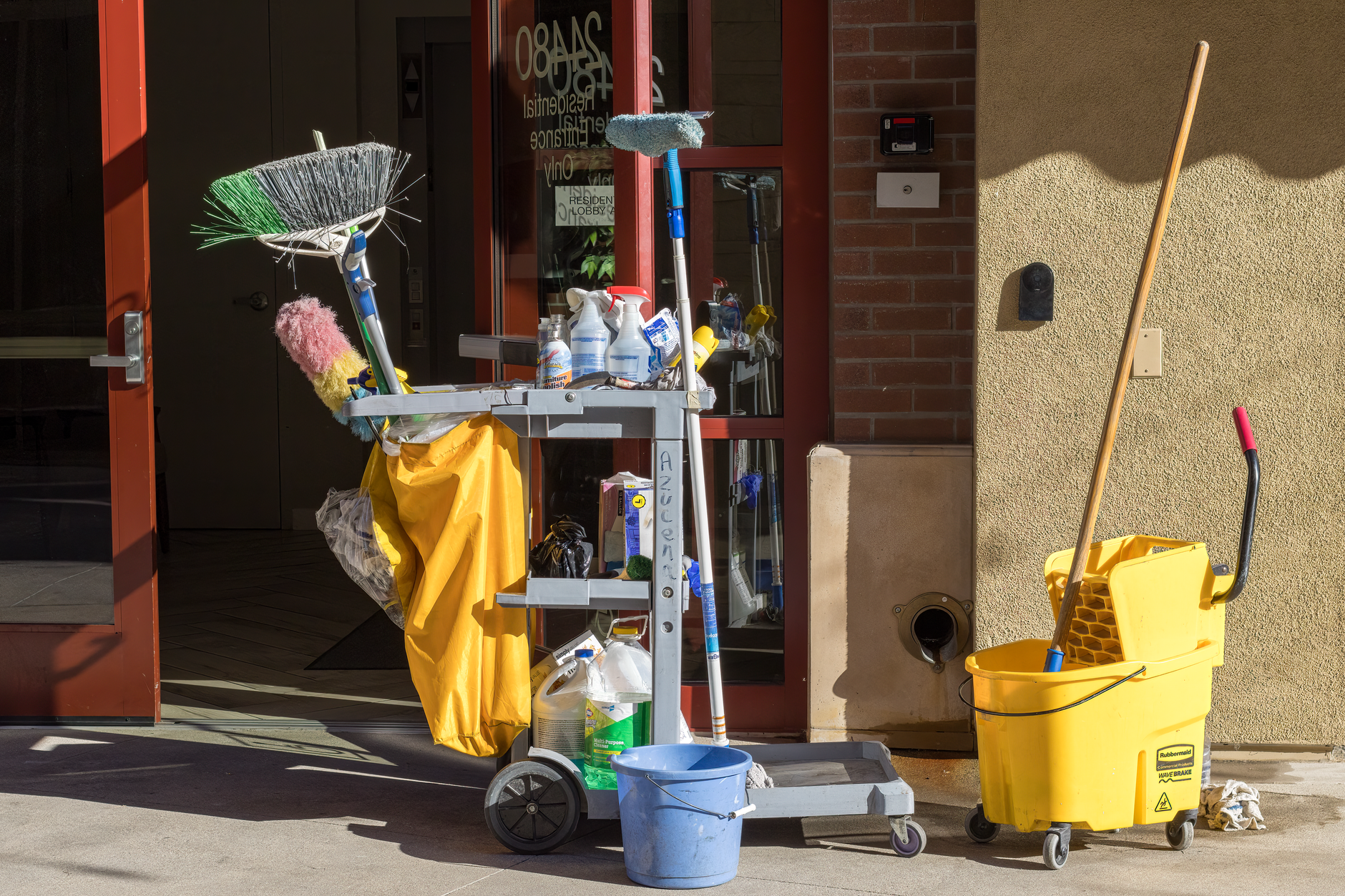
Published reporting cites about fifty percent less time on daily floor scrubbing once the three units shared the workload with custodial staff. Floors that once wrapped between 9 and 10 a.m. were typically ready by 8 a.m., aligning better with the early opening window.
In one February month, leadership attributed two hundred forty-five equivalent labor hours to the scrubber fleet, hours crews could spend on resets, glass, and high-touch surfaces instead of walking behind machines.
What this means for campus operators
This anonymized example shows how a busy student union can pull repetitive scrubbing off people without lowering floor standards. Service Robot Co. did not run this campus. We help US schools and universities compare OEM-neutral autonomous floor scrubber rental and school cleaning robot rental programs with maintenance included, site mapping, training, and nationwide RoboCare service.
If your crews still lose mornings to five-hour scrub cycles, pilot one dining or concourse loop, log finish times for two weeks, then scale month to month leasing only after routes hold through exam weeks and homecoming traffic.