
a US hospital system using mobile hospital robots
US Hospital System's Mobile Robots Return Time to Bedside Care
A US hospital system's mobile robots returned over 14,300 hours to nurses and clinical teams, per the robot supplier. How the rollout worked and what it means.
Deployment at a glance
- 14,300+
- Hours returned to nurses and clinicians, supplier reported
- 27,500+
- Completed deliveries, reported by the supplier
- 13.6M
- Steps saved for staff, reported by the supplier
Based on a documented real-world deployment. Figures are from public reporting; the organization is not named.
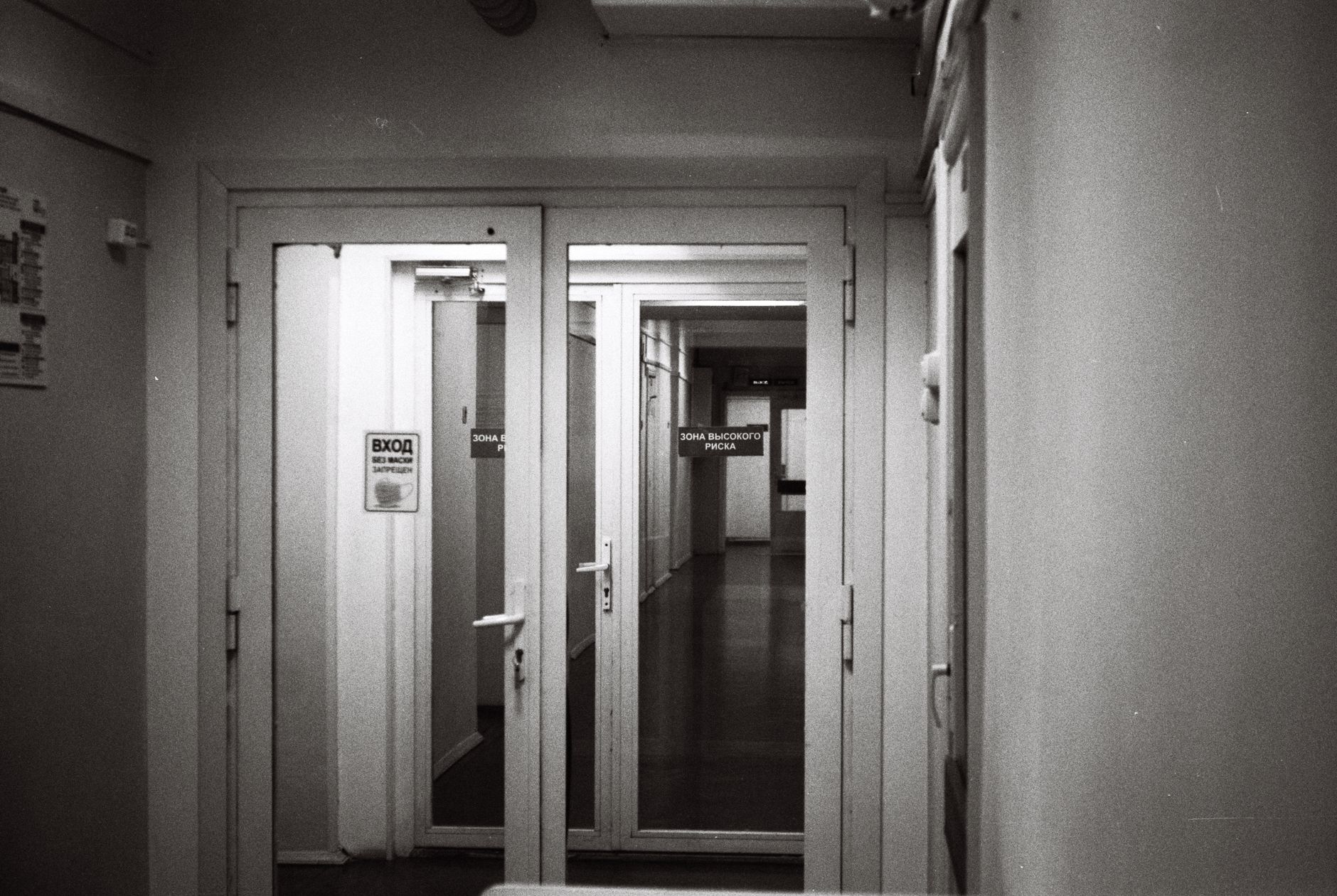
Nurses were walking to fetch what the bedside needed
Supplies, linens, specimens and medications all move through a hospital, and a large share of that movement lands on nursing and clinical staff. Each trip looks small on its own. Added together across a shift, the walking pulls people away from patients and breaks the rhythm of rounds.
The robot supplier has put a number on the problem. Its co-founder has said nurses can spend up to 30% of their time fetching supplies. That is the supplier's claim, cited here as the reason for the program, not a figure measured at this site.
Mobile robots added to the floor, one routine at a time
The robots were brought in as delivery assistants that take transport off clinical staff. They were not substitutes for nursing judgment. The aim was to get supplies where they were needed sooner and let the people at the bedside stay there.
Rollouts of mobile hospital robots generally run in stages. The steps below are the pattern this kind of program follows, and they are the steps a buyer should expect to see.
- Map the floors and agree delivery routes with nursing and supply leads
- Train nurses and clinical staff to load, send and receive a unit
- Start with a defined set of routes before widening coverage
- Keep service and repair in place so a unit is never left stranded
- Track deliveries and staff hours to see what actually changed
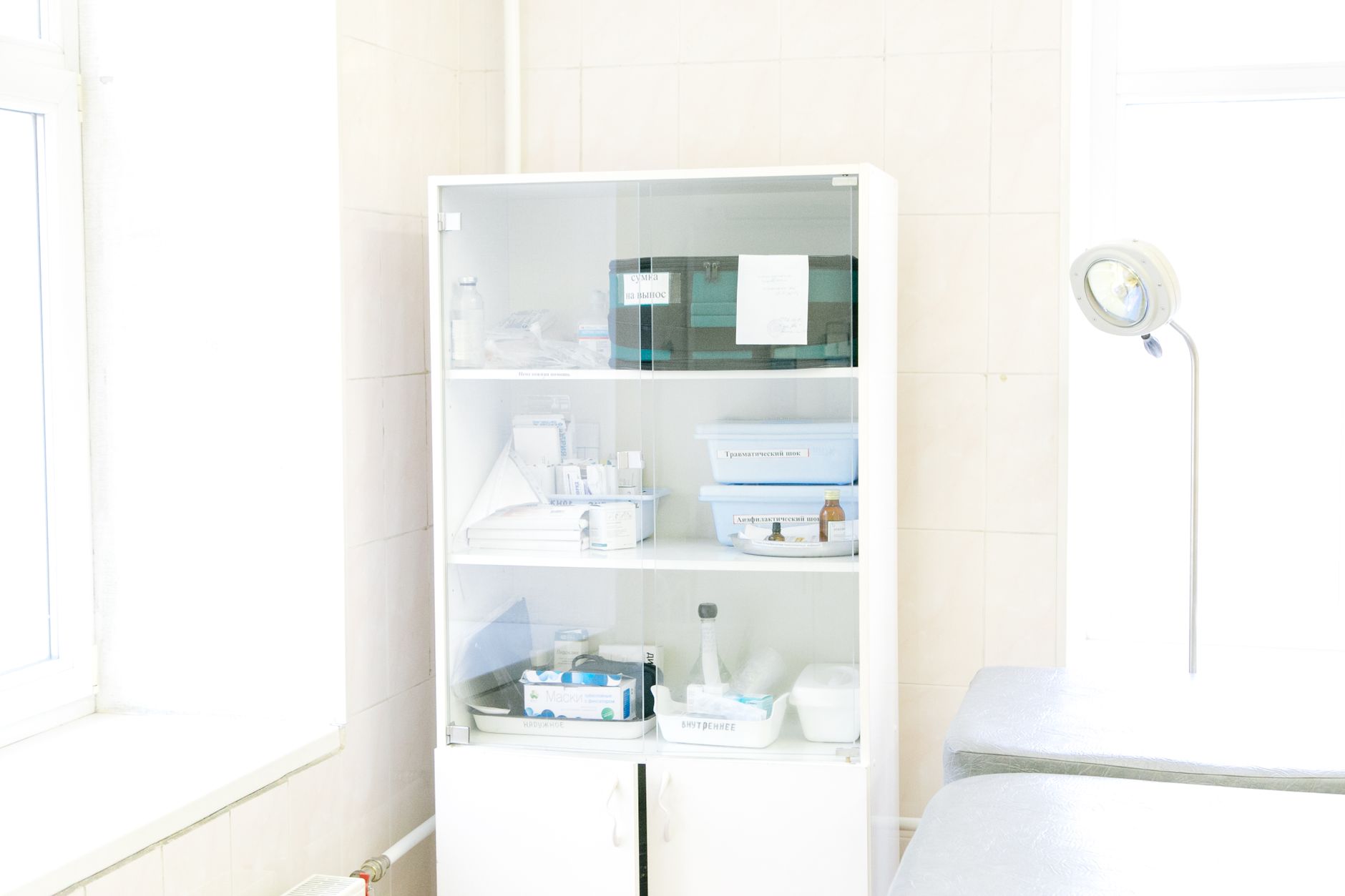
What the robot supplier reports, and how to read it

The robot supplier reports more than 14,300 hours returned to nurses and clinical teams. This is the supplier's tally, not an independent measurement. It is a cumulative total across the deployment, so it describes scale rather than a yearly rate.
The same reporting puts completed deliveries above 27,500 and steps saved at 13.6 million. These are supplier figures too, and they point the same way: fewer trips for people and more time for the patient in front of them.
The result that matters most for bedside care is where the hours went. Time returned to nurses and clinicians is time that can go to patient contact and clinical work. That is the measure this study follows, rather than how fast the robot moves.
What this means for a hospital weighing a robot lease
Service Robot Co. is a full service commercial robot integrator for US businesses. We select the right robots across manufacturers, then finance, deploy, integrate, train, and service every unit through a nationwide US engineer network. One partner covers the whole lifecycle, which is the part hospital operators tend to care about most when a unit has to be dependable on a ward.
We lease robots on a 3 year lease, with one fixed payment quoted after a site assessment. A hospital can start with a defined route and add units as the route data supports it. The deployment in this study is one we analyze. Service Robot Co. did not run it.
For a hospital operator, the questions to ask are the ones this study answers. Which routes carry the most supply traffic, who trains the floor staff, and who is on hand when a unit needs repair.

Frequently asked questions
Want a robot working for you?
Tell us the job and the site. We will recommend the robot, quote the lease, and keep it serviced.