
a desert resort championship golf course in southern Utah that hosts a professional tour event
How a Utah Resort Course Mowed 60 Fairway Acres in Four Hours for a PGA Event
A southern Utah resort championship layout used four autonomous fairway units to mow 60 acres of fairways in about four hours each night during a professional tour event.
- 4 hr
- Night pass
- 60 ac
- Fairways
- 4
- Autonomous units
- 4 wks
- Event window
Based on a documented real-world deployment. Figures are from public reporting; the organization is not named.
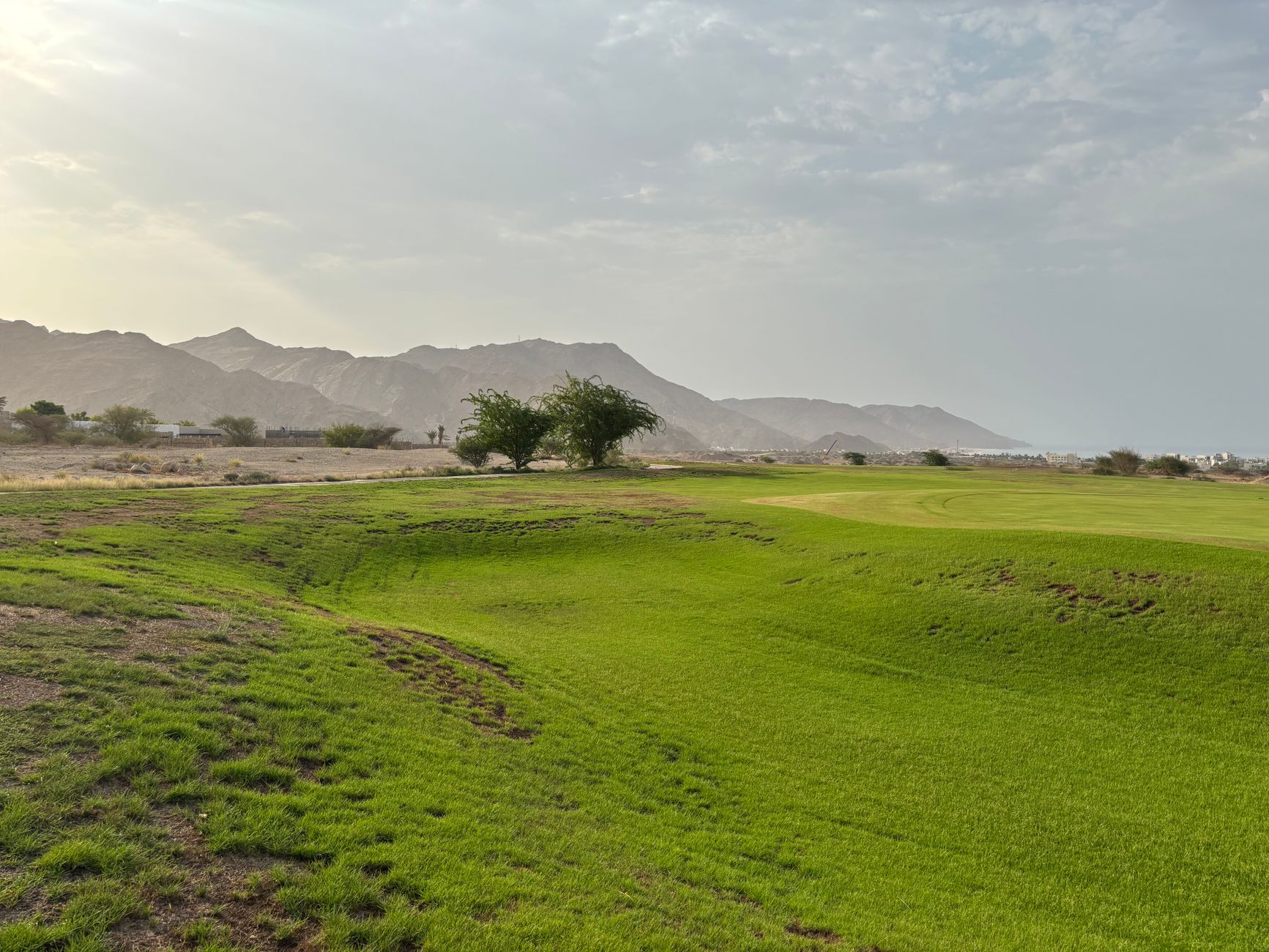
Night-only fairways during live tournament play
The course needed tour-ready fairway strips while spectators and players used the layout all day. Once competition started, width mowing had to finish in the dark without delaying morning tee times.
Traditional diesel fairway fleets tied skilled agronomists to long seat shifts and carried fuel and hydraulic leak risks on sensitive turf. The resort also wanted consistent striping day after day, not a new pattern whenever a driver varied line choice.
- All fairway mowing after sunset during the event
- About 60 acres of fairway panels to cover nightly
- Leak and scrub risk on presentation turf
- Need for repeatable striping under lights
Four wide electric units on shared RTK patterns
For four weeks before and during the championship, the team ran four 100-inch-wide autonomous reel units on mapped fairway routes. Cloud-stored patterns let every unit follow the same stripe alignment each night using RTK guidance.
Each all-electric unit carries a 35 kWh battery pack rated for up to 25 acres of capacity, so four machines together could finish all 18 fairways in about four hours. Software planning happened ahead of play so crews could focus on bunkers, approaches, and guest-facing detail while the fleet handled width work.
- Map one stripe plan for all 18 fairways
- Deploy four autonomous units for the event window
- Run passes after play ends each day
- Keep greens and detail work on the crew schedule
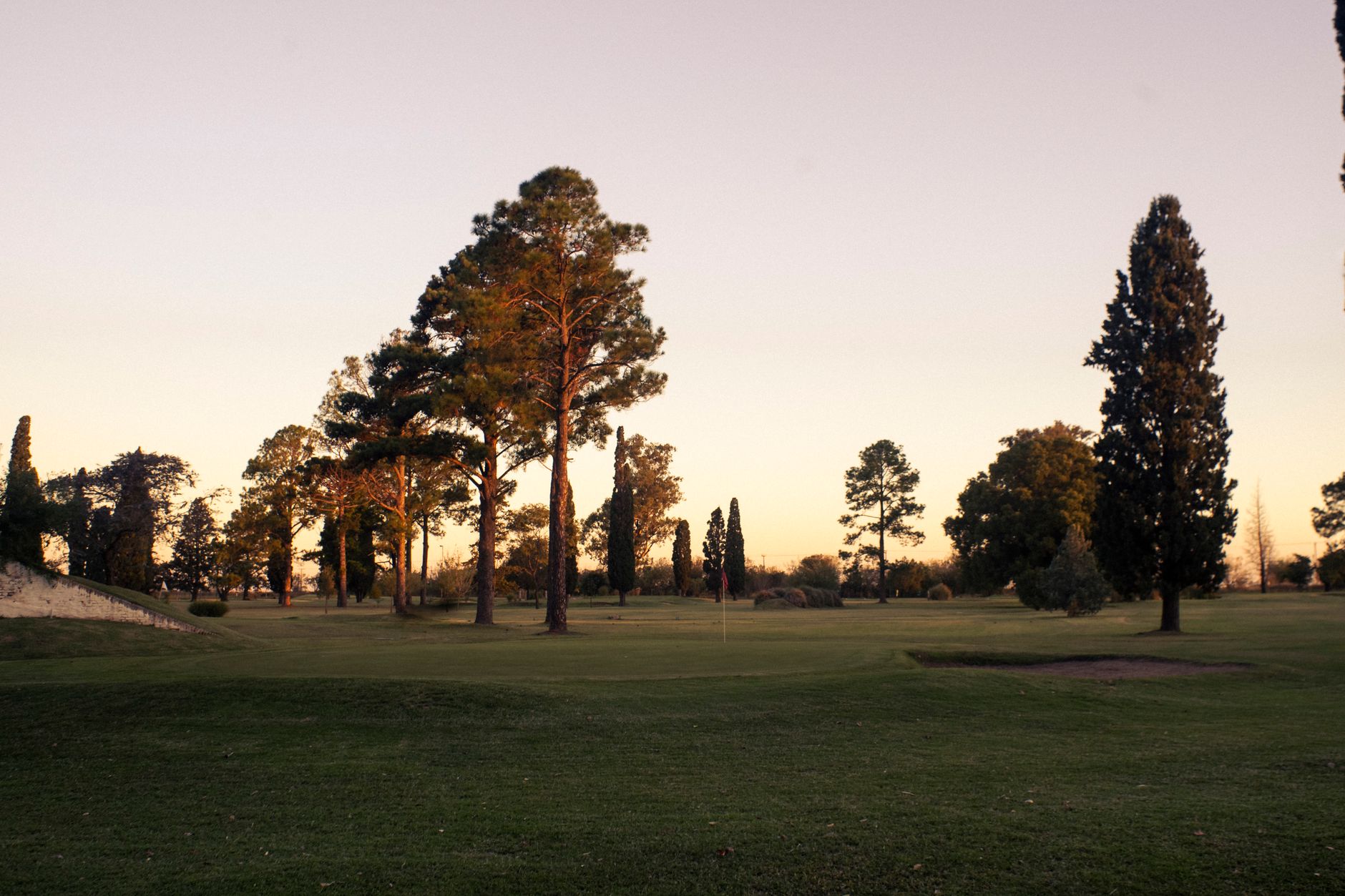
Full fairway coverage inside a four-hour night window

Published coverage states the four-unit fleet maintained all 60 acres of fairways throughout the tournament period, completing an 18-fairway cycle in roughly four hours per night. That pace kept morning tee sheets clear while meeting the stricter presentation bar of a televised event.
Electric operation reduced noise and eliminated routine fuel fills on fairways. Agronomy staff could shift hours from driving loops to hand work and setup tasks that cameras actually show. The supplier described the run as a first autonomous fairway mowing deployment at a professional tour event, which underscores how tight the scheduling window was.
What a similar rollout looks like with Service Robot Co.

This resort is a documented 2024 example, not a Service Robot Co. customer. It still shows what US superintendents ask about when play never stops: map fairways once, run autonomous width passes on a clock, and keep people on detail work.
Service Robot Co. stays OEM-neutral, helps you compare autonomous fairway platforms, then handles financing, site mapping, staff training, and RoboCare service nationwide. A free site assessment is the usual first step when you want buy or lease options without guessing runtime on your acreage.