an airline-parts warehouse with a 350-foot dispatch route
How an Airline-Parts Warehouse Reclaimed 36 Hours a Month with One AMR
An airline-parts warehouse closed a 350-foot dispatch gap with a self-guided cart, saving 36 labor hours monthly and about $22,127 per year.
- 36 hr/mo
- Labor hours back
- 22%
- Productivity lift
- 8.13 mo
- Payback period
- $22,127/yr
- Annual savings
Based on a documented real-world deployment. Figures are from public reporting; the organization is not named.
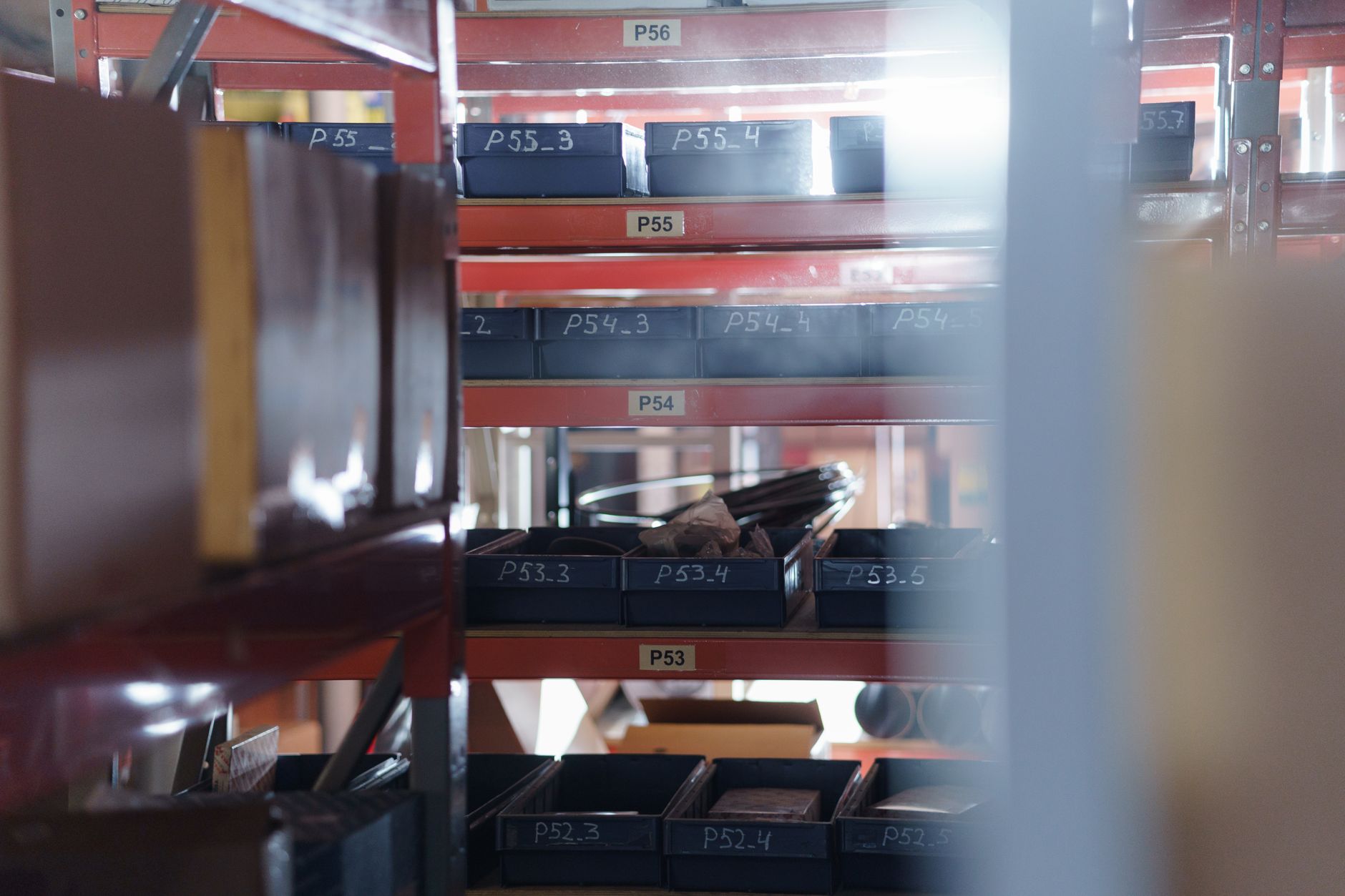
A 350-foot gap ate picking gains
An airline-parts warehouse used automated storage to pull order lines into individual bins, but every urgent shipment still depended on people walking parts to shipping by hand. The route spanned about 350 feet between the automated module and the shipping department.
High-priority orders forced inventory operators to leave their stations immediately. Shipping staff then walked empty bins back to storage for reuse. The loop repeated many times each day, erasing the value of automated picking.
- Manual carries for hot orders between storage and shipping
- Empty bin returns on foot from shipping to storage
- Repeated daily trips on a 350-foot route
- Non-value-add walking offset automated inventory gains
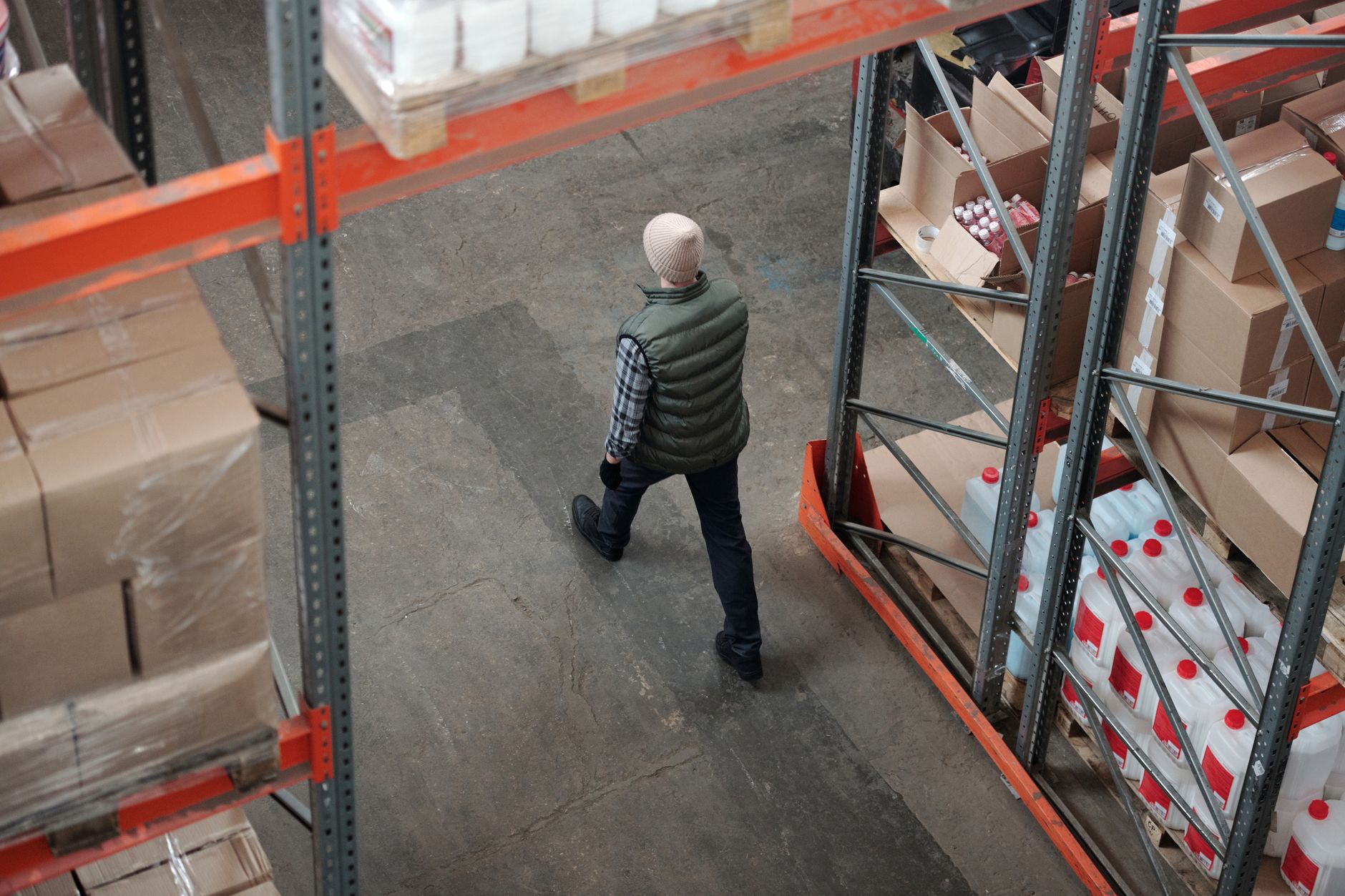
Self-guided cart on the last-mile loop
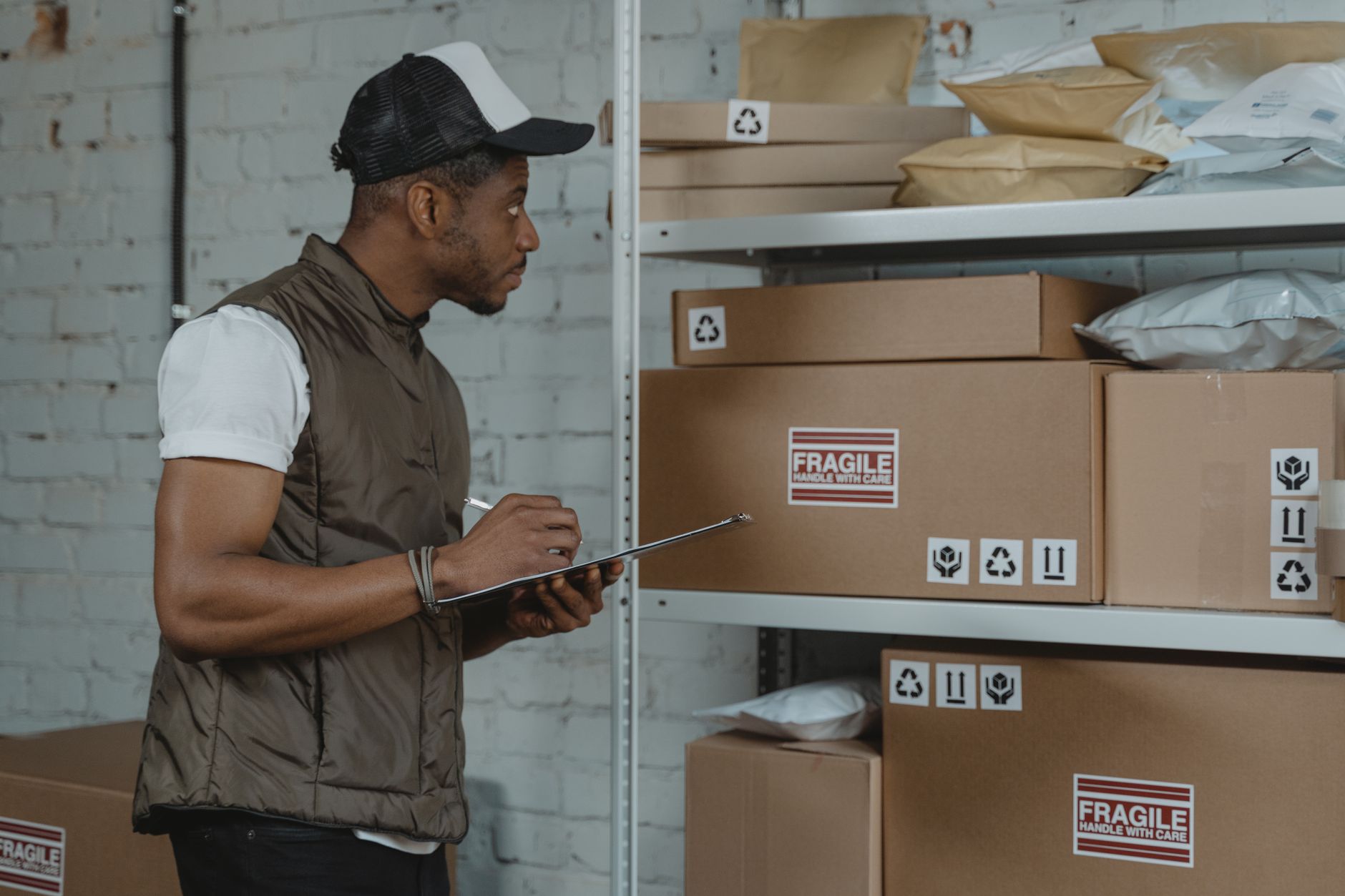
Leadership deployed a self-guided autonomous cart that needed no fixed tracks or facility Wi-Fi to learn the floor. Operators reported setup in under ten minutes and used the cart between the automated storage module and shipping.
The cart moved filled bins outbound and returned empties inbound so people stayed at their stations. Utilization stayed under 20 percent during the payback window, which shows how much slack existed in the old walking pattern.
- Map the 350-foot path between automated storage and shipping
- Train staff on simple cart dispatch at each end
- Run filled bins outbound and empty bins inbound automatically
- Keep operators at pick and pack stations during urgent orders
Measured hours, payback, and productivity
The operation recovered 36 labor hours every month that had been lost to walking. At a loaded rate of $51.22 per hour, that time translated to about $22,127.04 in annual savings against a $14,995 cart investment and 8.13 month payback.
Operator productivity rose 9 percent immediately after go-live and reached a 22 percent increase as walking stopped pulling people off task. Savings landed in reallocated productive work rather than headcount cuts.
What this means for aviation parts sites
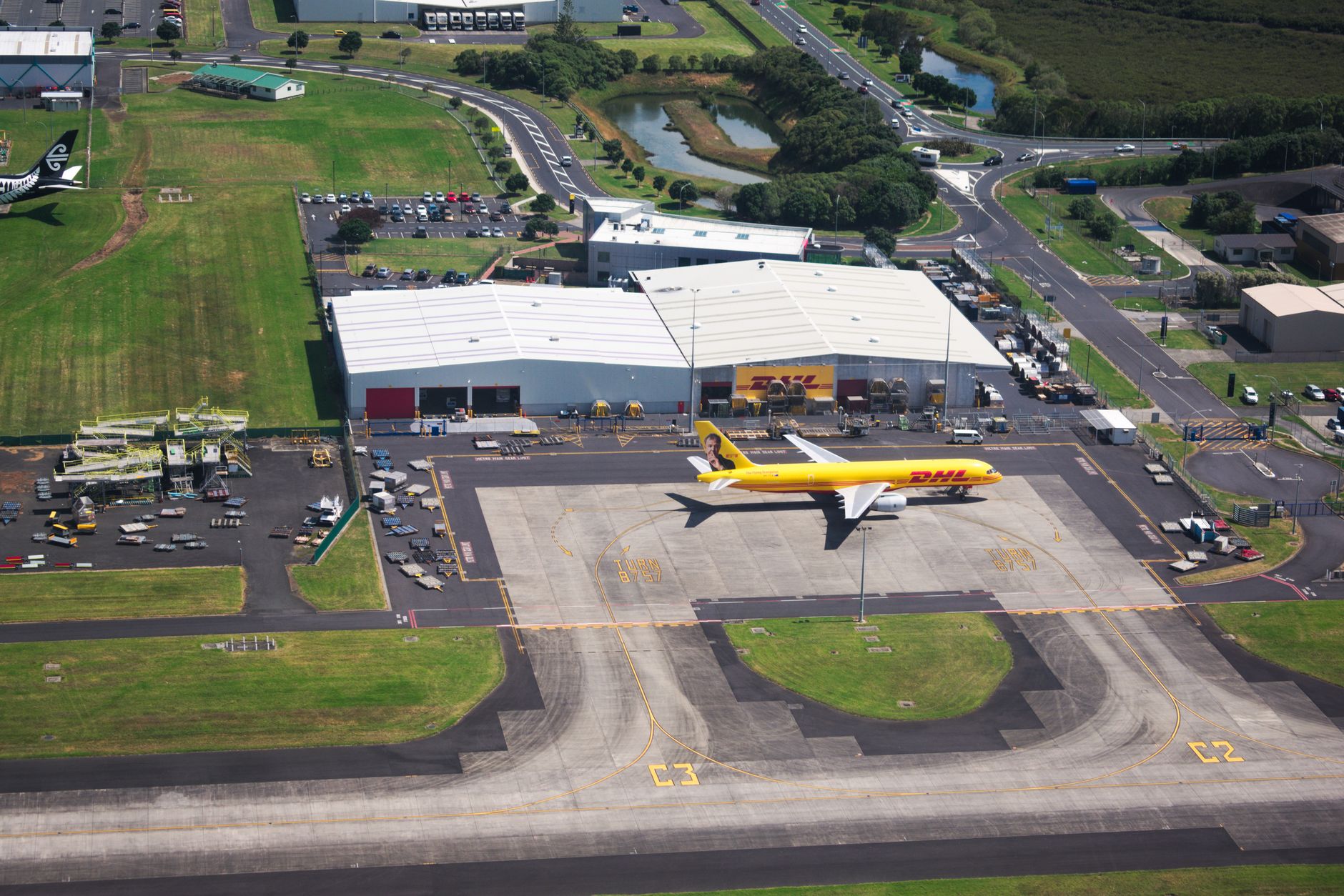
Service Robot Co. matches autonomous cart and AMR units to your dock-to-shipping paths, then handles financing, deployment, training, and nationwide service as one vendor. A warehouse robot rental or month-to-month AMR pilot can prove hours recovered on your 350-foot problem before you scale.
This airline-parts example was not a Service Robot Co. deployment. It shows how closing one manual loop after automated storage can pay back in a single-digit month count. We use documented outcomes like these to set honest targets during a free site assessment.