
an ambient warehouse operator in China
Ambient Warehouse in China Adds Picking Robots: 3x Outbound, Vendor Reported
An ambient warehouse operator in China added picking robots to outbound work. The robot supplier reports 3x picking efficiency and 18,000 storage locations.
Deployment at a glance
- 3x
- Outbound picking efficiency, supplier reported
- 18,000
- Storage locations after storage density rose
- 10,000+
- SKUs stored across the system
Based on a documented real-world deployment. Figures are from public reporting; the organization is not named.
Labor cost, bottlenecks and a crowded building
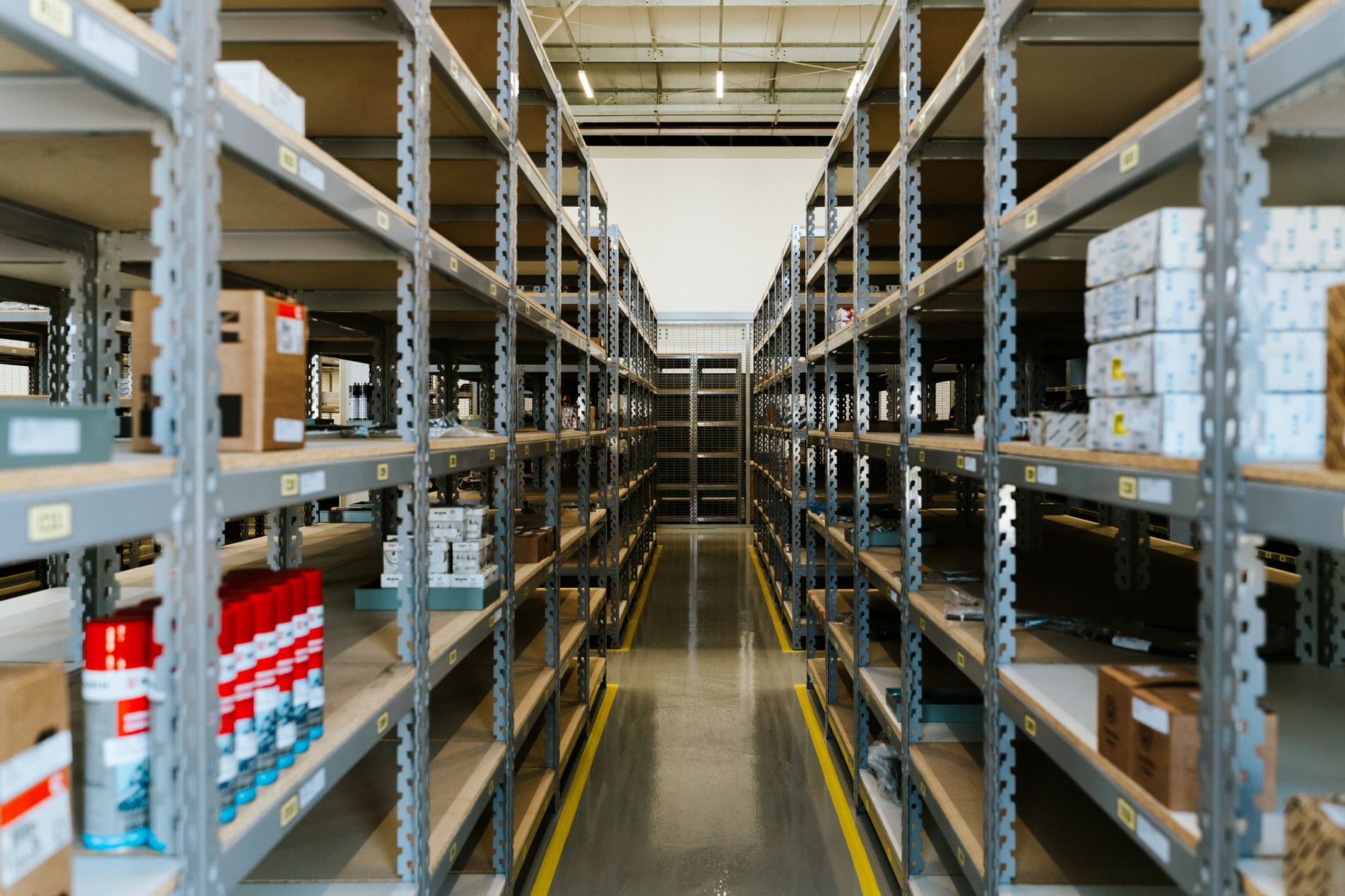
The operator was squeezed from three directions at once. Labor costs were high, outbound picking had become a throughput bottleneck, and storage space was limited, leaving little room to grow outward.
Outbound was where the pressure concentrated. Orders had to leave on time, and every extra minute walking the aisles added to the labor bill. Peak periods exposed the gap most clearly.
- High labor costs
- Outbound picking throughput bottlenecks
- Limited storage space
- Peak-period handling pressure
Case handling robots added to the outbound flow
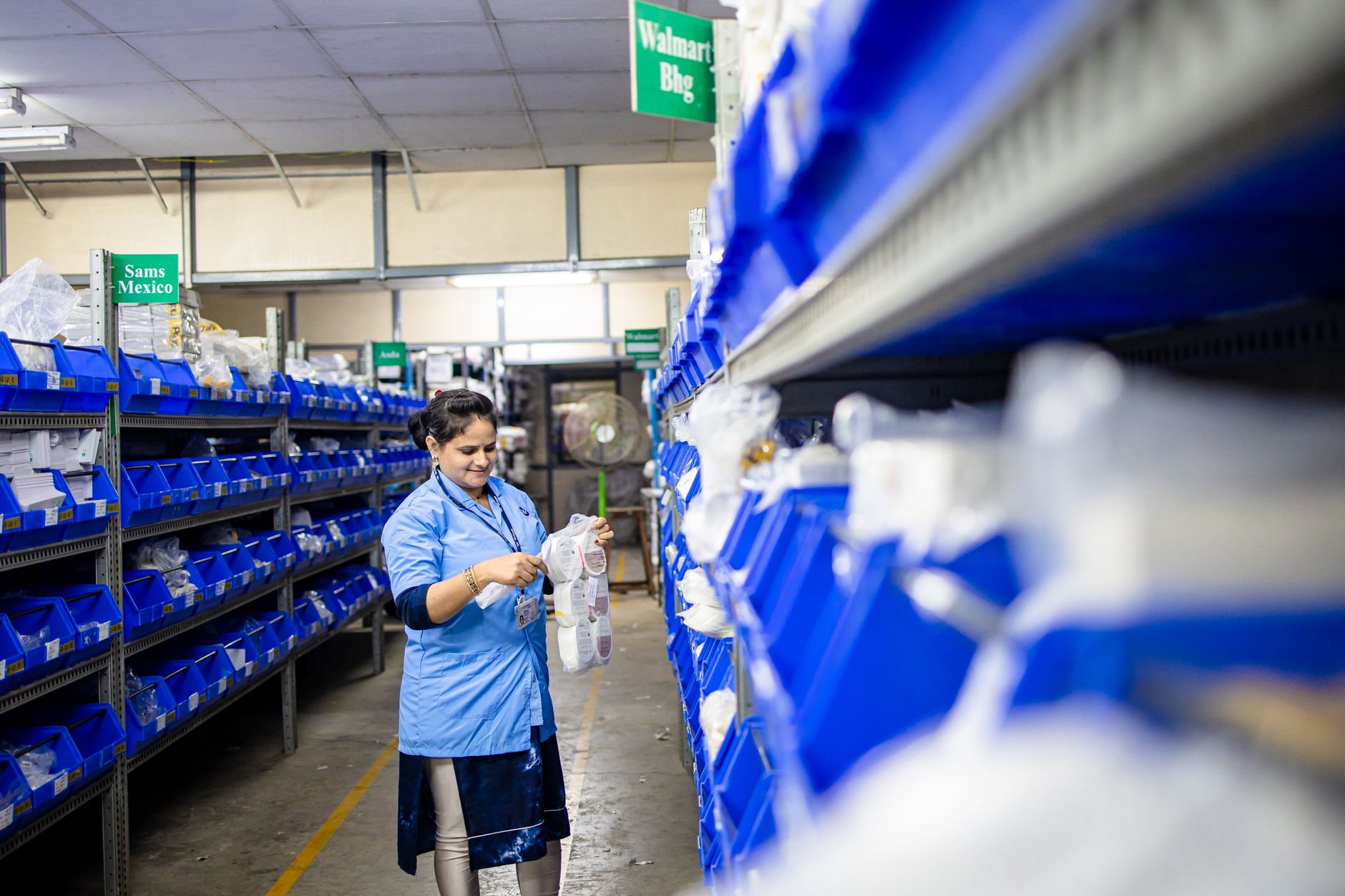
The operator added a robotic picking system to its outbound operation instead of rebuilding around it. The equipment was case handling robots of the goods to person type, which bring stored goods to the picker so people spend less time walking the aisles.
That design suits a site where storage is dense and floor space is tight. The deployment aimed squarely at the outbound pick, where the bottleneck sat.
- Target the outbound pick, where the bottleneck sat
- Choose case handling robots of the goods to person type
- Add the system to the existing outbound operation
- Use the gained storage density to hold more SKUs
Picking efficiency tripled and storage density rose
The robot supplier reports that outbound picking efficiency tripled, a 3x result. It also credits the system with handling peak periods more effectively.
Storage density rose to 18,000 storage locations across more than 10,000 SKUs. For a site short of room, that density is a result in its own right.
Treat the 3x as the supplier's headline, not a planning figure. Before setting a target, measure your current picks per hour against a fixed baseline and time window.
Weighing picking robots for a US warehouse
A US operator weighing robotic picking usually faces the same three questions this site answered: where labor goes, where the bottleneck sits, and how much storage the building can give up. Service Robot Co. is a full service, OEM neutral commercial robot integrator for US businesses, so we select the right robot across manufacturers before recommending anything.
We then arrange a three year lease with one fixed lease payment quoted after a site assessment, and we deploy, integrate, train and service each unit through a nationwide US engineer network. One partner and one number cover the whole lifecycle, from the first site walk through go live support and beyond.
The deployment described here is a documented example in China, and Service Robot Co. did not run it. It shows what picking robots can change, and a warehouse robot lease from us starts with the same kind of floor review.
Frequently asked questions
Want a robot working for you?
Tell us the job and the site. We will recommend the robot, quote the lease, and keep it serviced.